
Last updated October 16, 2026
 Water damage drying
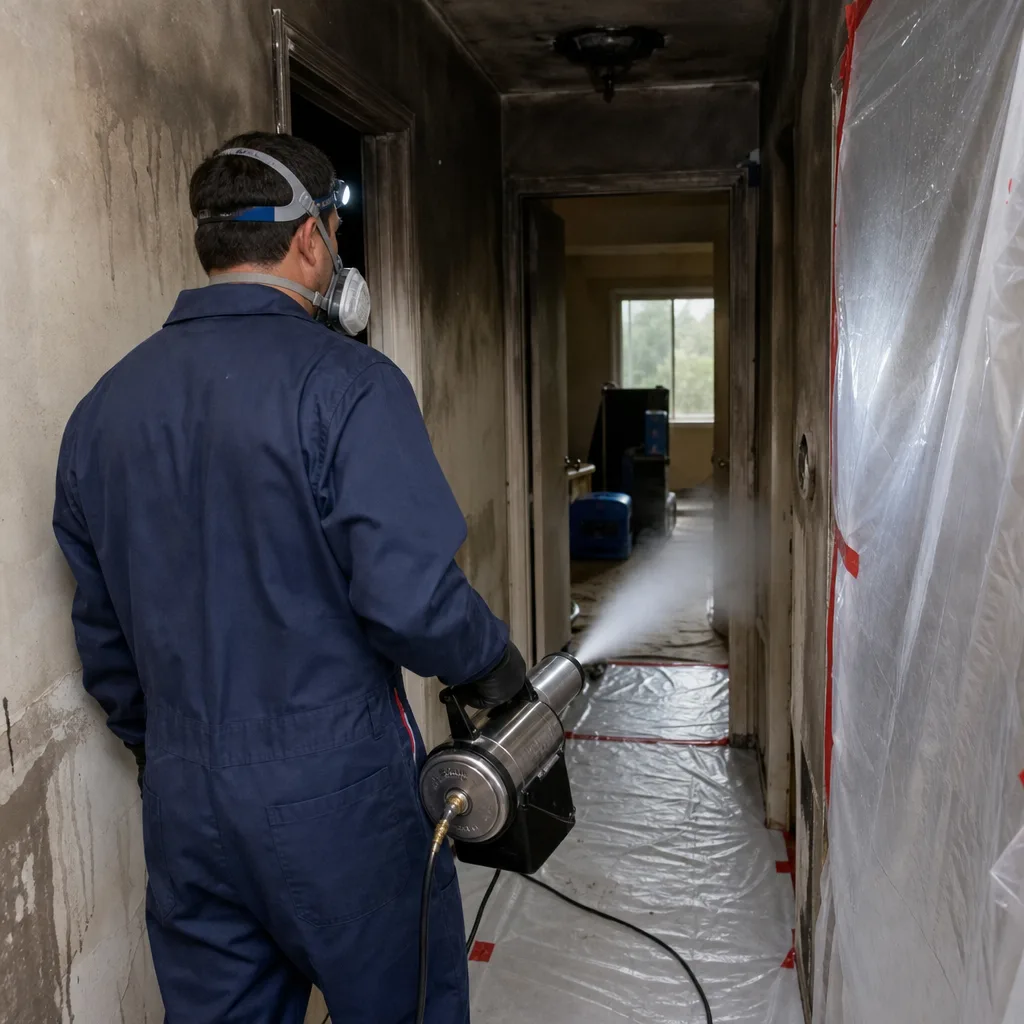
 Fire & smoke cleanup
 Mold remediation
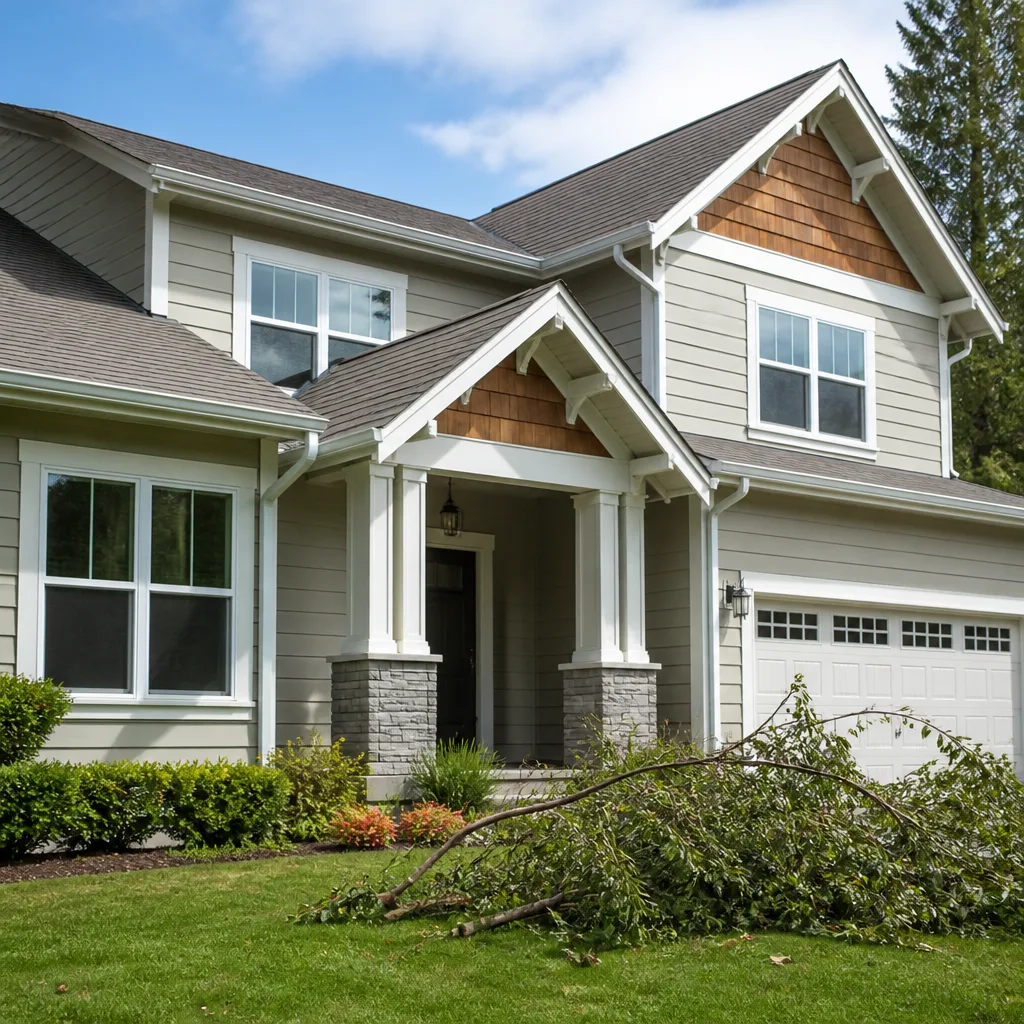 Storm response
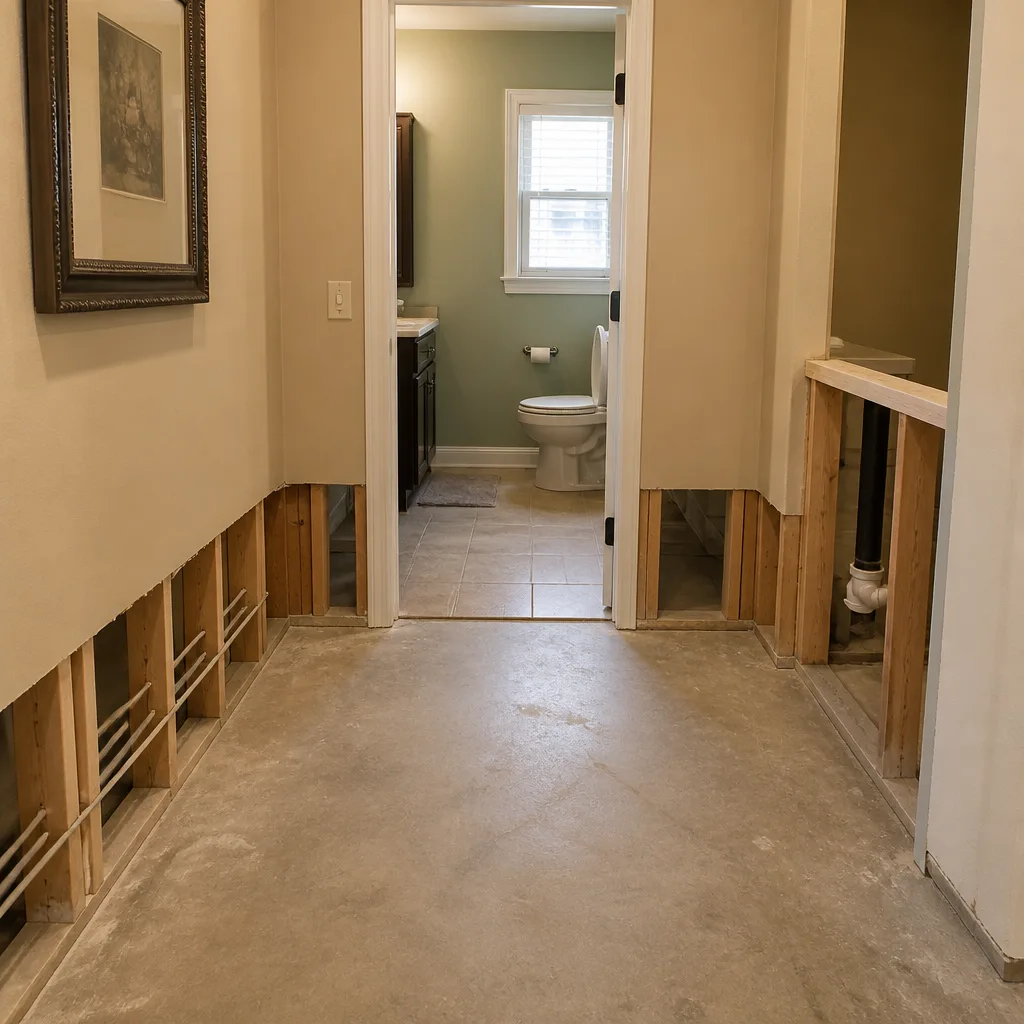 Sewage cleanup
 Reconstruction
Free visual inspection and a written scope of work before any mitigation begins - photos, moisture readings, and drying logs go in your claim file
The scope we write is the scope we bill. Anything new gets shown to you, in writing, before we touch it.
Get your free estimateThe Complete Guide to Damage Restoration in West Palm Beach
A West Palm Beach home can absorb 11,000 gallons of water in a single hurricane event, yet the most expensive mistakes happen not during the storm but in the 72 hours after it, when panicked decisions replace process. This guide maps the full restoration chain from first call to final inspection: what must happen immediately, what can wait, and where West Palm Beach homeowners lose the most money. For damage restoration warning signs every West Palm Beach homeowner should know, see our companion guide. You will learn how water, fire, and mold damage connect as one continuous problem, what proper documentation looks like, and what a written scope of work must include before any contractor touches your home.
Quick Answer
Damage restoration in West Palm Beach is a connected three-stage process: extract and dry all water within 48 hours to prevent mold, remediate any microbial growth that has already started, and then repair or rebuild the structure to code, with every step documented for your insurance claim. The single most important decision you make is hiring a contractor who puts the full scope of work and price in writing before starting, as detailed in our Damage Restoration Permits, Codes & Inspections in FL: What You Need to Know. Skipping documentation or rushing the drying phase is how a $4,000 water job becomes a $28,000 mold and structural repair.
Restoration work we handle
Table of Contents
- The Restoration Chain: Why Water, Fire, and Mold Are One Problem
- The Restoration Timeline: First 24 Hours vs. What Can Wait
- How West Palm Beach Humidity and Salt Air Change Restoration Protocols
- Job Documentation: Why It Directly Affects Your Insurance Payout
- What a Written Scope of Work Must Include Before Work Begins
- The Equipment That Actually Dries a West Palm Beach Home
- Common Mistakes to Avoid
- When to Call a Professional
- Frequently Asked Questions
The Restoration Chain: Why Water, Fire, and Mold Are One Problem
Most West Palm Beach homeowners treat water, fire, and mold damage as three separate problems. The restoration industry knows better. They are links in a single chain, and breaking one link guarantees the next one shows up. Water that is not fully extracted and dried creates the humidity and moisture that mold needs to colonize. Mold that is left untreated weakens drywall, framing, and finishes, accelerating structural decline. Fire damage is rarely just char; the water used to extinguish the fire saturates walls, floors, and insulation, which then creates a mold problem inside a fire problem.
In our experience, the majority of mold remediation jobs in West Palm Beach start as water damage that someone under-dried. A burst supply line, a leaking water heater, a slow drip behind a vanity, a roof leak during a summer storm. The water gets mopped up, a fan gets pointed at the wall, and the homeowner thinks the problem is solved. Three weeks later, there is a musty smell and discoloration at the baseboard. The chain had already moved to the next link.
Fire restoration follows the same logic. The cleanup crew that removes soot and char must also address the water used by the fire department. If they do not, the home develops secondary water damage and mold, often in wall cavities and under flooring where nobody looks until the smell gets bad. The chain holds every time: incomplete drying always creates a mold job downstream.
How the Chain Breaks in Real Homes
- Under-extracted water: Surface water is removed, but water trapped in wall cavities, under tile, and inside subflooring is left behind.
- Premature equipment removal: Drying equipment is pulled out before moisture meters confirm the structure has reached its dry standard.
- No containment during mold work: Mold spores spread to unaffected rooms during remediation, expanding the problem instead of solving it.
- Unsealed fire-damaged framing: Soot and smoke odor penetrate porous wood and drywall; without proper sealing and cleaning, the odor returns within months.
When Shane Pruitt and the team at Keegan Restoration West Palm Beach home walk a job, we look for where the chain is weakest. That is where the next failure will come from. The goal is not to patch the visible damage; it is to break the chain by completing each stage correctly, in order, with documentation that proves it was done right.
The Restoration Timeline: First 24 Hours vs. What Can Wait
Restoration follows a hierarchy of urgency. Some work is time-critical; some work benefits from patience. Understanding which is which prevents expensive mistakes. Here is what must happen in the first 24 hours after water or fire damage in West Palm Beach versus what can and should wait.
First 24 Hours: Emergency Response
- Stop the source. Shut off the water supply, or if safe, have the utility shut off gas or electric after a fire. Nothing else matters until the source is stopped.
- Document the scene. Photograph every affected room from multiple angles before anything is moved or removed. This is your insurance record.
- Extract standing water. Professional extraction removes the bulk of water in hours, not days. In West Palm Beach’s climate, the difference between hours and days is whether mold develops.
- Begin structural drying. Place professional-grade air movers and dehumidifiers according to a calculated drying plan. This is psychrometrics: the science of how moisture moves through air and materials.
- Secure the structure. Board up broken windows, tarp damaged roofs, and protect the home from weather, animals, and further entry.
- Contact your insurance carrier. Report the loss and ask about your coverage for emergency mitigation. Many policies require prompt action to prevent further damage.
Days 2 to 7: Mitigation and Assessment
During this window, drying continues and the full scope of damage becomes clear. Moisture meters should be used daily to track drying progress. The technician should adjust equipment placement based on those readings, not on a predetermined schedule. In West Palm Beach, the average drying time for saturated drywall in an air-conditioned home is three to five days; in a non-conditioned space like a garage or attic, it can stretch to seven or more because of ambient humidity.
This is also when mold assessment should occur if standing water sat for more than 48 hours or if the affected area includes porous materials like carpet, insulation, or drywall. Early assessment is less expensive than full remediation later.
What Can Wait
- Cosmetic repairs: Paint, trim, flooring finish. These should wait until the structure is fully dry and stable.
- Cabinet replacement: Solid wood cabinets can often be dried and refinished rather than replaced. Rushing to replace them before drying completes wastes money.
- Full mold remediation (if no active growth): If no mold is present and drying is progressing, remediation is not needed. Do not let a contractor sell you a mold job you do not have.
- Electrical and HVAC upgrades: Unless the system was submerged or fire-damaged, repairs and upgrades can wait until the emergency phase passes.
The disciplined approach in West Palm Beach is to move fast in the first 24 hours and deliberately afterward. Speed is for extraction and drying; patience is for scope development and pricing.
How West Palm Beach Humidity and Salt Air Change Restoration Protocols
West Palm Beach is not Orlando. It is not Atlanta. The restoration protocols that work in inland Florida do not translate directly to a coastal city with year-round humidity that regularly exceeds 70% and salt-laden air that accelerates corrosion. A contractor who does not account for these factors will under-dry the structure, and the homeowner will pay for that failure later.
Humidity Is the Constant Enemy
The drying standard for most building materials is a moisture content that matches the home’s pre-loss condition. In a humid coastal environment, that target is harder to hit because the outside air itself is wet. Professional restorers use desiccant dehumidifiers, which pull moisture from the air more aggressively than standard refrigerant units, when ambient humidity is high. They also must account for the fact that a West Palm Beach home’s air conditioner is already working against humidity; adding water-damaged materials to that environment creates a compounding moisture load.
What this means practically: drying in West Palm Beach takes longer than drying in a drier climate. A contractor who promises a two-day dry-down on saturated drywall in July is either using aggressive equipment or cutting corners. The realistic expectation is three to five days for most jobs, with moisture meter readings confirming the structure has reached its target.
Salt Air Attacks Metal Surfaces
Salt in the air accelerates corrosion on exposed metal. After water or fire damage, this matters in three places: electrical connections, metal framing and fasteners, and HVAC components. A restoration crew in West Palm Beach should inspect for corrosion on any exposed metal surface and document it. Salt-laden moisture that gets into wall cavities can corrode wiring and outlet connections, creating a hidden hazard that shows up months later.
This is why fire restoration in coastal Florida often includes extra attention to electrical systems. Fire suppression water mixed with salt-laden humidity creates a corrosive environment inside walls that does not exist inland.
Mold Grows Faster Here
Mold needs three things: moisture, organic material, and warmth. West Palm Beach provides all three year-round. In our experience, mold can begin to colonize on wet drywall in as little as 48 hours in a non-air-conditioned space during summer. That timeline matters because many insurance policies cover water damage but limit or exclude mold coverage. The practical consequence: do not delay extraction and drying. A delay of even one day in West Palm Beach can move a claim from “covered water damage” into “excluded mold damage” territory.
For more detail on how mold is handled in this climate, see Mold Remediation in West Palm Beach.
Job Documentation: Why It Directly Affects Your Insurance Payout
Insurance adjusters do not pay for claims. They pay for documented claims. The difference between a $6,000 payout and a $19,000 payout is frequently not the severity of the damage; it is the quality of the documentation that supports the claim. This is the step most West Palm Beach homeowners skip, and it costs them real money.
What Proper Documentation Includes
- Photographic evidence: Every affected room photographed from multiple angles, including close-ups of materials, before any demolition or removal.
- Moisture readings: Daily moisture meter readings showing initial moisture content and drying progress over time. This proves the structure actually dried.
- Equipment logs: A record of what equipment was placed where, when it was placed, and when it was removed. This supports the mitigation invoice.
- Scope of loss: A written document that lists every affected material, the proposed treatment for each, and the estimated cost. This is the “scope of loss,” the single most important document in a restoration claim.
- Chain of custody for contents: If personal belongings are packed out for cleaning or storage, a written inventory of what left the home and where it went.
Why Insurers Respond to Good Documentation
Insurance companies operate on verifiable evidence. When a contractor submits a claim with photos, moisture readings, and a detailed scope of loss, the adjuster can process it quickly and approve payment with confidence. When a claim is vague, “water damage to living room and hallway, see attached receipt,” the adjuster has to assume the worst about the claimant’s credibility and request more information. That slows payment and often reduces the final amount.
Keegan Restoration West Palm Beach formats every job file the same way: photos, readings, logs, scope. The documentation is designed to support the claim, not just the contractor’s invoice. That distinction matters. A restoration company should be working for the homeowner’s insurance outcome, not just its own payment.
Shane Pruitt has been part of the Garrison Partners family since 2005, and the documentation standard has not changed in that time: record everything, prove everything, put it in writing. See how water jobs are documented at Water Damage Restoration in West Palm Beach.
What a Written Scope of Work Must Include Before Work Begins
A written scope of work is the foundation of every legitimate restoration job. Without it, you have a verbal estimate, and a verbal estimate is worth the paper it is not printed on. Before any contractor begins demolition, extraction, or remediation in your West Palm Beach home, the scope should exist in writing and be signed by both parties.
The Seven Elements of a Valid Scope
- Address and date of loss: The specific property address and the date the damage occurred. This ties the scope to the insurance claim.
- Cause of loss: A direct statement of what caused the damage: burst pipe, storm water intrusion, kitchen fire, roof leak. The cause affects coverage.
- Affected areas and materials: A room-by-room list of what is damaged and what materials are involved: drywall, flooring, insulation, framing, cabinetry, contents.
- Proposed treatment per material: For each affected material, the scope states whether it will be dried, cleaned, sealed, or removed and replaced. No vague language like “treat as needed.”
- Equipment and process: What equipment will be used, for approximately how long, and what the daily monitoring process includes.
- Price: The total price in writing. This is the number that must not change at the door. Change orders happen, but they must be written and approved before additional work begins.
- Warranty terms: What is covered after the job is complete, for how long, and what happens if something fails. The Keegan 365-Day Done Right Promise puts this in writing: if the repair fails within one year, Keegan returns and makes it right at no charge.
Red Flags in a Scope of Work
- “Estimate subject to final invoice”: This means the price can change. Do not accept it.
- Vague quantities: “Some drywall in living room” is not a scope. “Approximately 320 square feet of drywall in north living room wall, removed and replaced” is a scope.
- No moisture readings: A water restoration scope that does not mention initial moisture readings is incomplete.
- Oral promises: If the contractor says “we’ll take care of that too” but does not write it in the scope, it does not exist.
- Extractors: Professional-grade water extraction units that remove the bulk of standing water quickly. A wet-dry vacuum is not a substitute for a truck-mounted or portable extraction unit on anything more than a small spill.
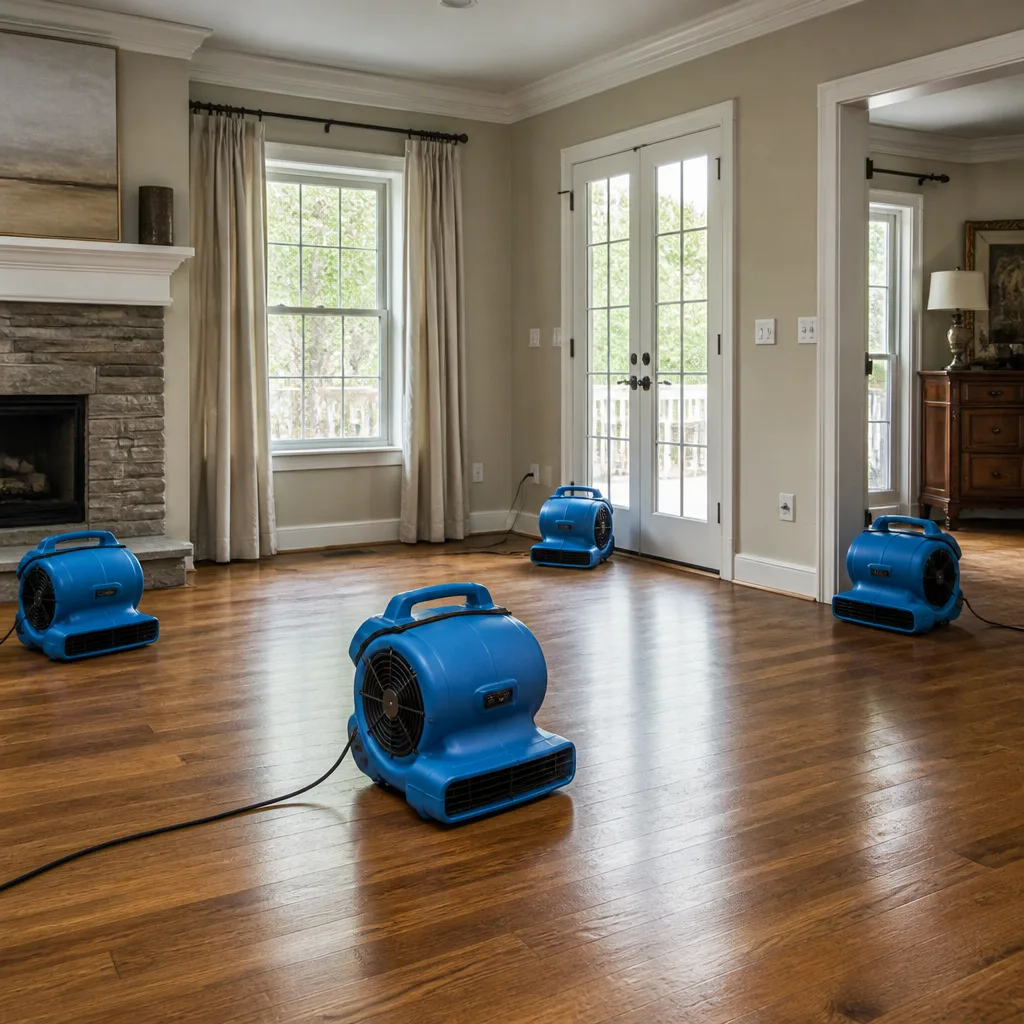
- Air movers: High-velocity fans designed for structural drying. Brands like XPOWER and B-Air produce units that move significantly more air than household fans and are positioned to create airflow across wet surfaces, not pointed randomly.
- Dehumidifiers: Refrigerant dehumidifiers for standard jobs and desiccant dehumidifiers for high-humidity environments like a West Palm Beach summer. Desiccant units work by drawing air across a desiccant material that pulls moisture out, and they remain effective at lower humidity levels than refrigerant units.
- Injectidry systems: Specialized equipment that forces dry air into wall cavities, under cabinetry, and beneath flooring. These are crucial in West Palm Beach because water trapped between walls cannot be dried by surface airflow alone, and the humidity inside a wall cavity is exactly where mold gets its start.
- Moisture meters: The most important quality-control tool on the job. A technician uses moisture meters daily to track drying progress and confirm the structure reaches its dry standard before equipment is removed.
- Waiting to call because “it’s not that bad.” Water damage does not self-correct. In West Palm Beach’s humidity, a small leak becomes a mold problem within days. The cost of a same-day emergency call is always less than the cost of full mold remediation later.
- Using household fans and a dehumidifier from the hardware store. These units lack the airflow and moisture removal capacity needed for structural drying. They create the appearance of drying while the interior of walls and flooring stays wet.
- Accepting a verbal estimate. If it is not written, it does not exist. A contractor who will not put the price in writing before starting is a contractor who plans to change it later.
- Letting the contractor skip the scope of work. Without a written scope, you cannot verify what was supposed to be done, and your insurance company has nothing to evaluate against.
- Replacing saturated carpet without treating the subfloor. New carpet over a wet subfloor traps moisture and creates a hidden mold problem that develops under the new flooring.
- Accepting a low bid to “save money” on mitigation. In restoration, the low bid is often the expensive bid. Under-dried walls and floors become mold and structural damage that costs three to five times more to fix correctly.
- Not photographing the damage before cleanup begins. Once the scene is disturbed, the insurance adjuster cannot see what the damage looked like. Photos taken before any work begins are the foundation of the claim.
The Garrison Standard that Keegan Restoration West Palm Beach runs every job to is straightforward: the price is written before work begins, technicians are background-checked and in uniform, and the repair carries a written one-year guarantee. No exceptions. That is what a scope of work should look like from any contractor you hire.
The Equipment That Actually Dries a West Palm Beach Home
The difference between a professional drying job and a homeowner’s fan-and-hope approach is measurable. It is the difference between a home that dries in four days and a home that smells like mildew for the next six months. Professional restoration uses equipment designed for the specific job, arranged according to a drying plan that accounts for the moisture load in each affected area.
The Core Equipment Roster
What the IICRC Standard Means in Practice
The IICRC, the Institute of Inspection, Cleaning and Restoration Certification, publishes the industry standard for water damage restoration: the S500. It defines the categories of water (clean, gray, black), the classes of water intrusion (1 through 4, based on evaporation load), and the drying principles that professionals follow. When a company says it works in compliance with IICRC standards, that means its technicians have completed training and certification in these protocols, and the drying process follows a documented, measurable procedure rather than guesswork.
The brands and standards matter because they represent a baseline of professionalism. A homeowner cannot verify a technician’s judgment, but they can verify that the company uses professional-grade equipment from recognized brands and follows published industry standards. Those are proxies for competence that a homeowner can actually check.
Common Mistakes to Avoid
When to Call a Professional
Call a professional restoration company immediately if you have standing water that covers more than a few square feet, water that has soaked into drywall or flooring, water from a sewage backup or exterior flooding, any fire damage that left soot or smoke residue, or any sign of mold growth larger than a few square inches. These situations require professional equipment, training, and documentation to prevent the damage from spreading and to preserve your insurance claim. If you are in West Palm Beach and you are not sure whether your situation warrants a professional response, call and ask. Keegan Restoration West Palm Beach offers free estimates in West Palm Beach. Call (728) 220-0713, and a live person will answer, day or night, including weekends and holidays.
For fire-specific questions, see Fire Damage Restoration in West Palm Beach.
Frequently Asked Questions
Water damage restoration in West Palm Beach typically costs between $2,500 and $7,500 for moderate, single-room water extraction and drying, while fire damage restoration runs $5,000 to $25,000 depending on the extent of structural and smoke damage. Mold remediation starts around $1,500 for contained bathroom mold and can exceed $10,000 for multi-room remediation with structural repair. These ranges are general; the only reliable number is a written scope of work from a contractor who has inspected the damage. Call (728) 220-0713 for a free estimate in West Palm Beach.
Structural drying in West Palm Beach takes three to five days for most single-room water jobs, while full restoration including drywall replacement, painting, and flooring can take two to four weeks. The drying phase is the most time-sensitive part; the rebuild phase depends on material availability and contractor scheduling. The full timeline should be written into the scope of work before the job begins.
Most homeowners insurance policies cover sudden and accidental water damage, such as a burst pipe or water heater failure, but exclude gradual leaks, flood damage, and mold that develops from neglected moisture. Coverage terms vary by policy and carrier, so the best source of truth is your policy declaration page and a conversation with your adjuster. Proper documentation from your restoration contractor significantly improves the likelihood of full payment.
In most single-room water damage situations, you can remain in the home while drying equipment runs, though the noise and humidity may be disruptive. For fire damage with widespread soot and odor, or for mold remediation that requires containment and negative air pressure, temporary relocation is often necessary. The restoration contractor should tell you clearly which situation you are in before work begins.
A live person at Keegan Restoration West Palm Beach answers the phone 24 hours a day, 7 days a week, including nights, weekends, and holidays, and an emergency crew can typically be on site within hours of the first call. In West Palm Beach, response speed is critical because humidity accelerates mold growth and secondary damage. The first call should happen as soon as the source of water is stopped.
If mold covers less than 10 square feet and is on a non-porous surface like tile or glass, surface cleaning with the right antimicrobial products may be sufficient. If mold is on drywall, insulation, carpet, or other porous materials, or if it covers a larger area, remediation with proper containment is required because spores penetrate porous materials and surface cleaning leaves the colony intact. A professional assessment determines which situation applies to your home. Call (728) 220-0713 for guidance specific to your West Palm Beach home.
The Bottom Line
Damage restoration in West Palm Beach succeeds or fails on three things: speed in the first 24 hours, documentation throughout the job, and a written scope of work that holds every party accountable. The chain from water to mold to structural failure is real, and it breaks only when each stage is completed correctly, in order, with professional equipment and a moisture-verified dry standard. Hire a contractor who puts the price in writing before starting, documents every step for your insurance claim, and backs the repair with a written guarantee. For more guides & resources on protecting your home, explore our blog. If you are dealing with water, fire, or mold damage in West Palm Beach, call Keegan Restoration West Palm Beach at (728) 220-0713. A live person answers, the estimate is free, and the price is in writing before any work begins.
Written by Shane Pruitt, Owner at Keegan Restoration West Palm Beach, serving West Palm Beach since 2005.
See the difference
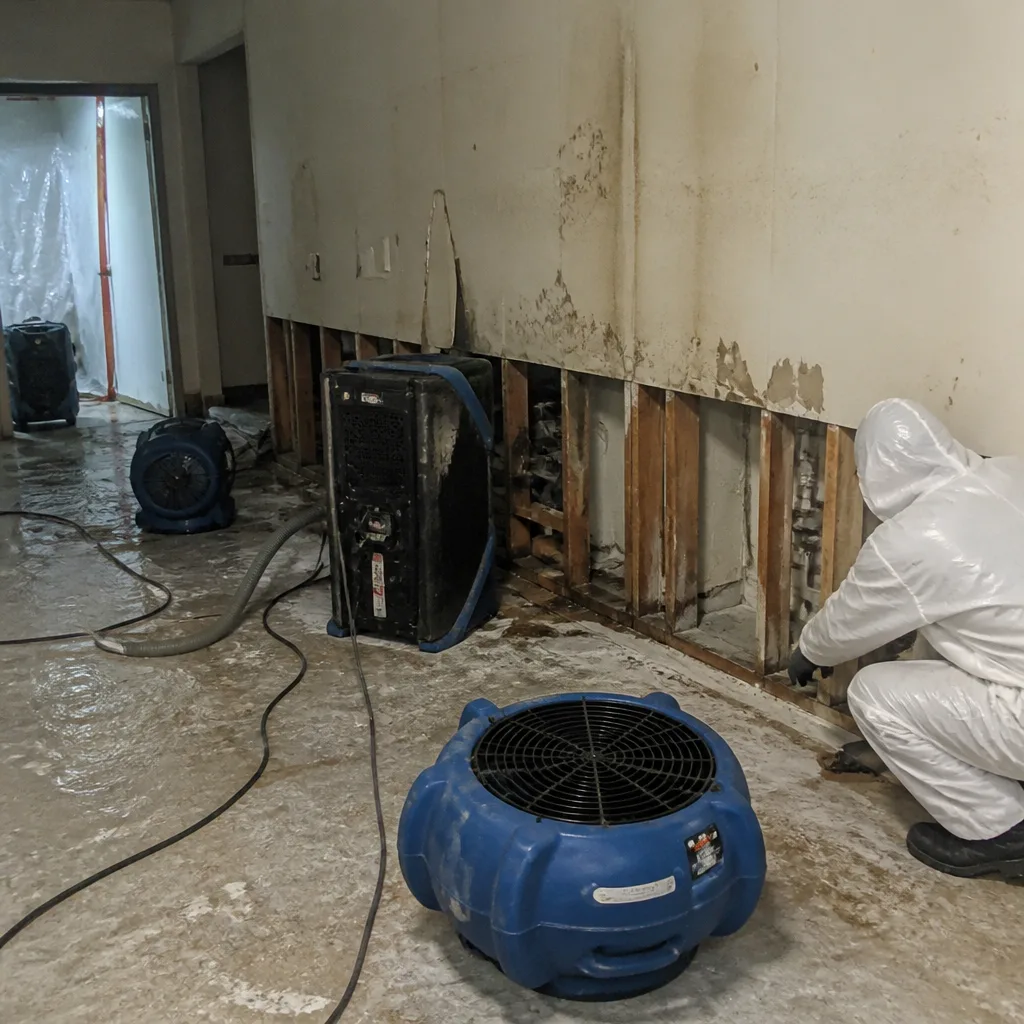 Before
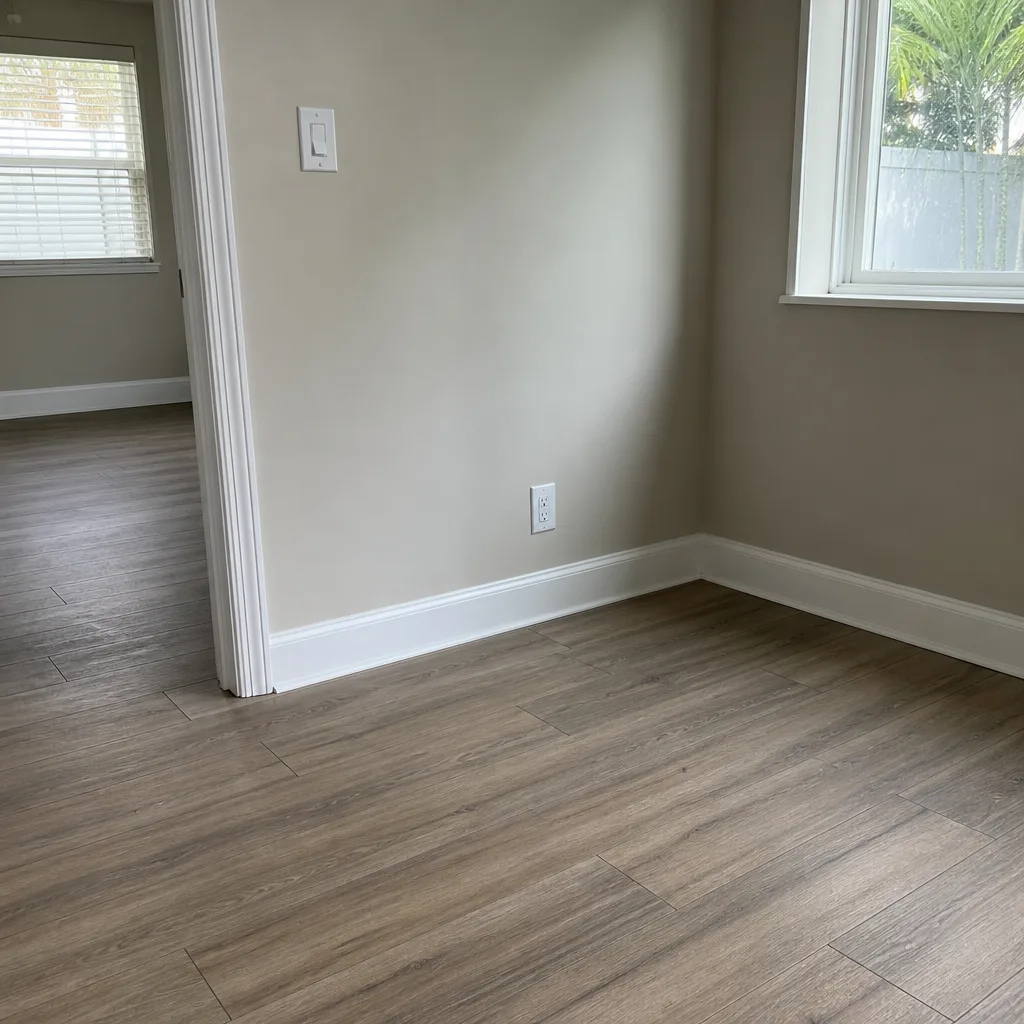 After
After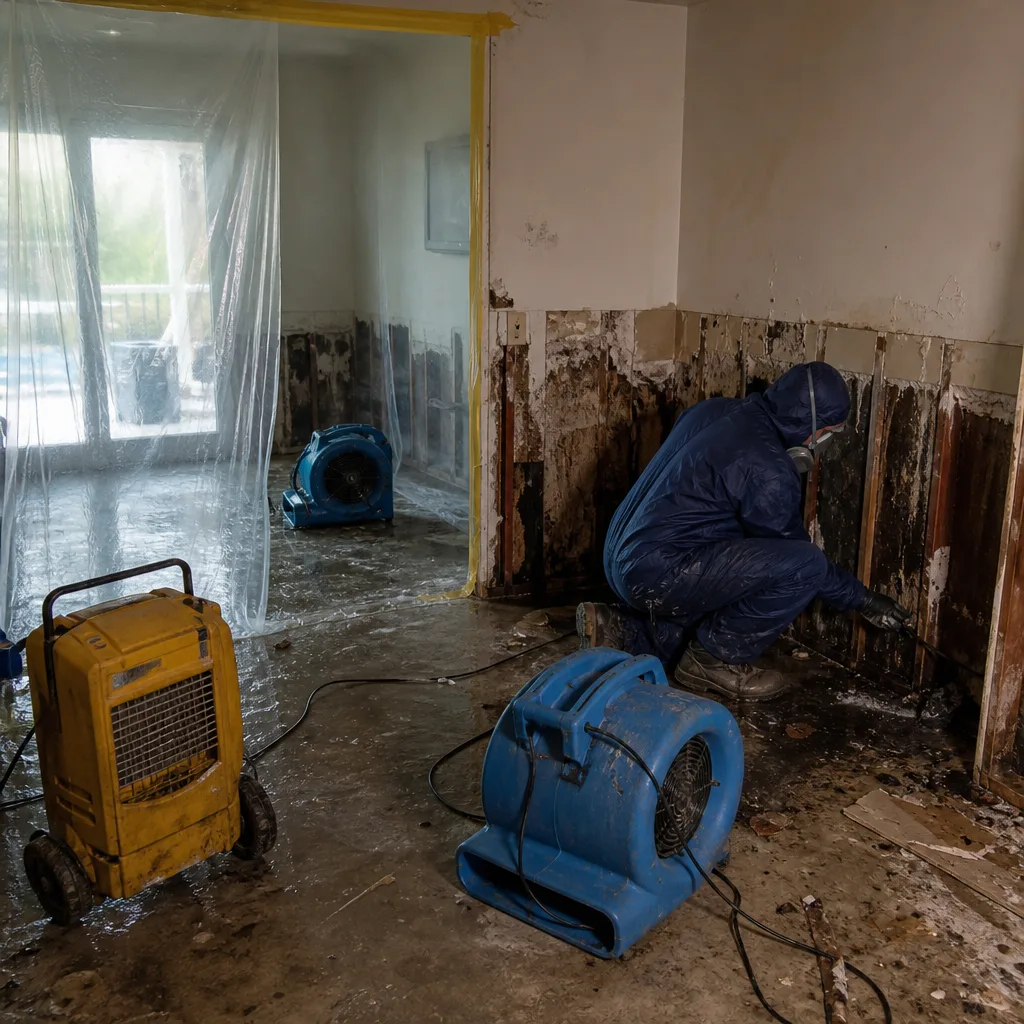 Before
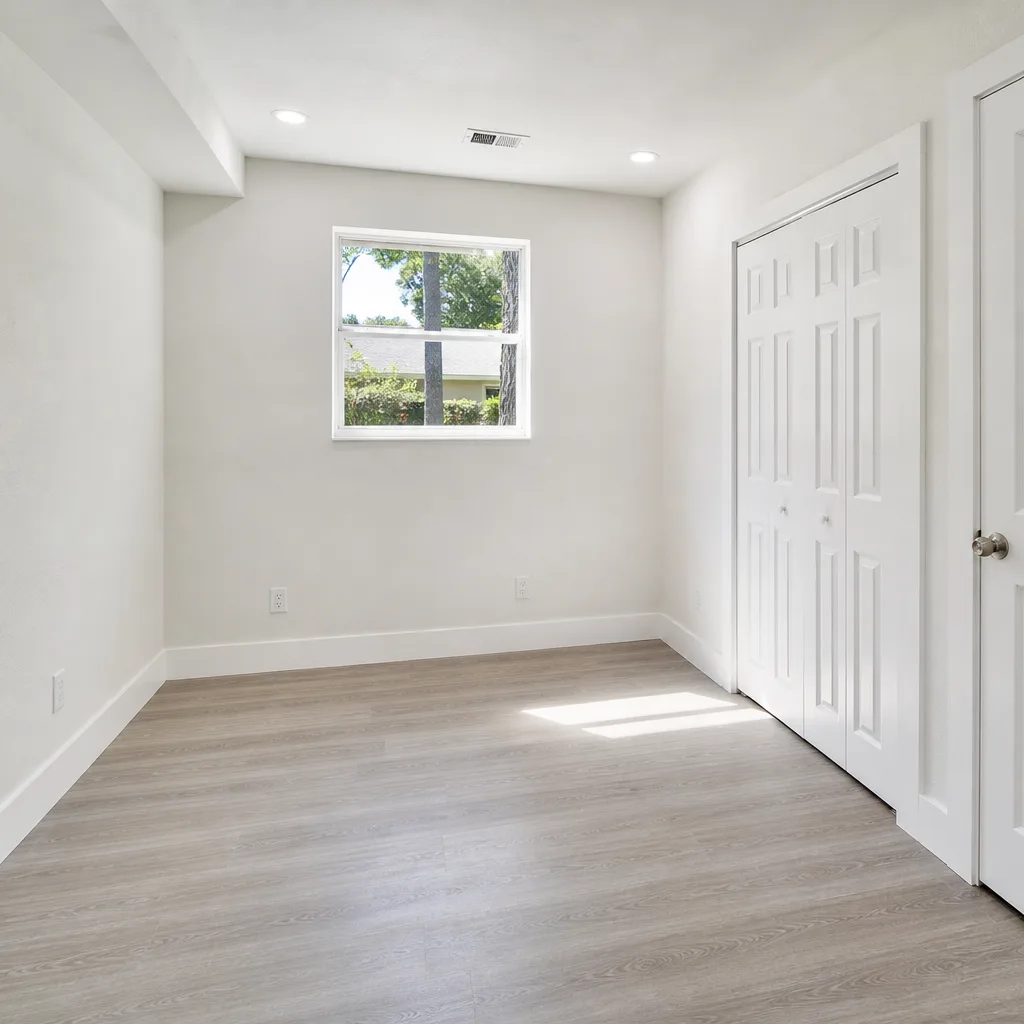 After
After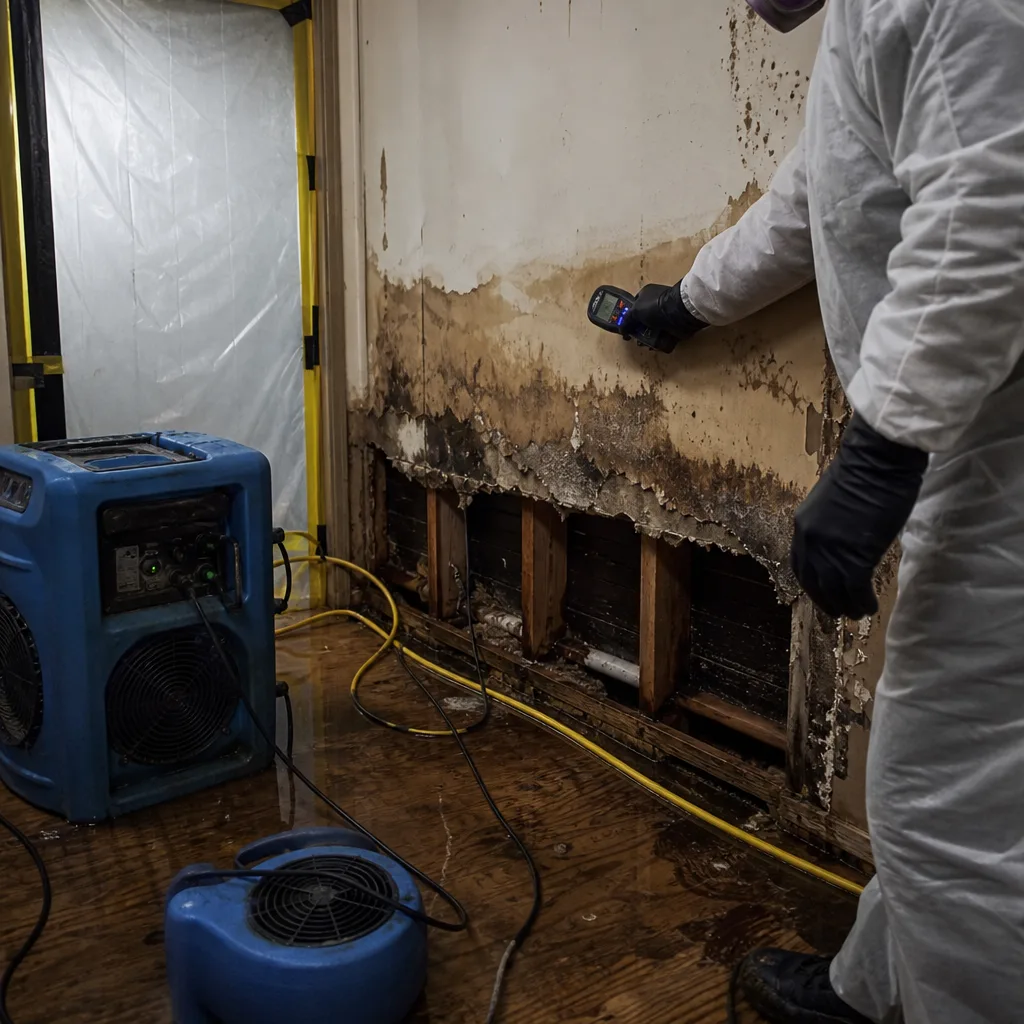 Before
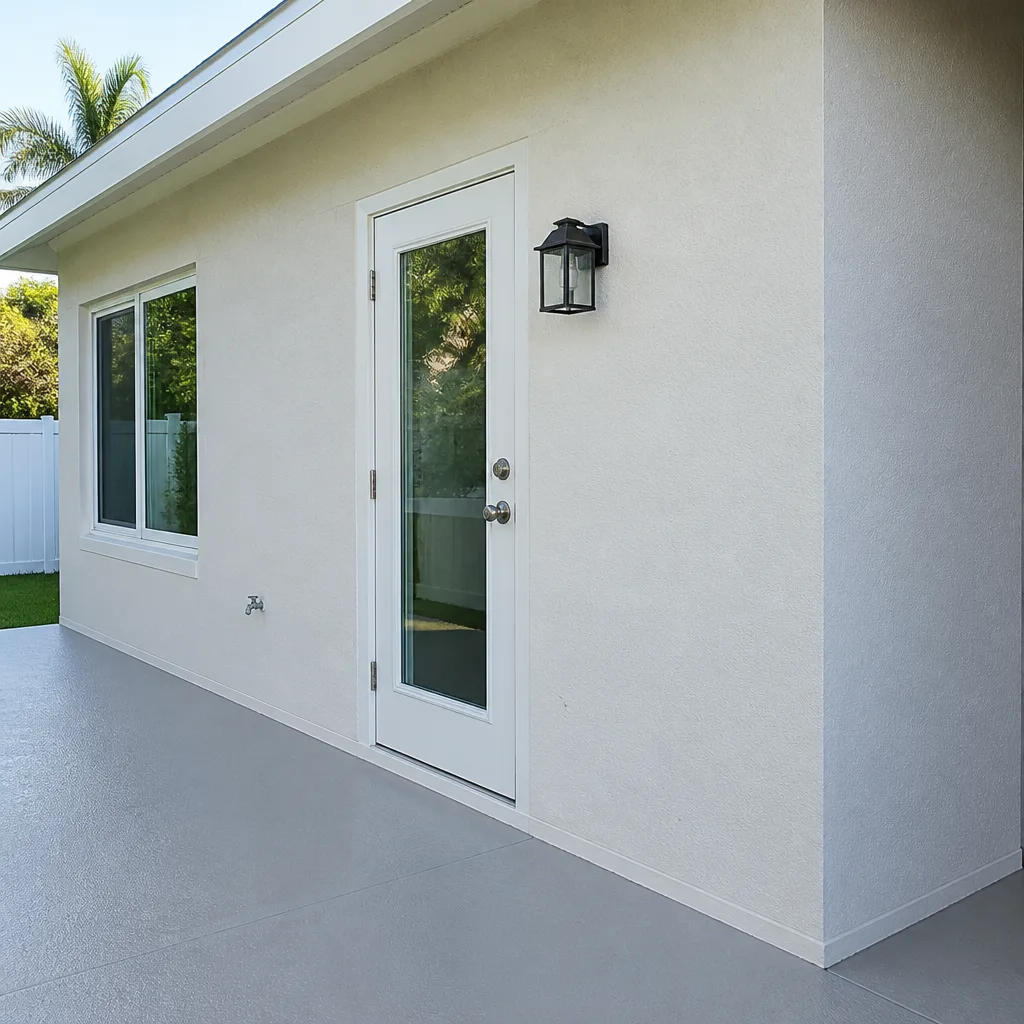 After
After