
Last updated October 16, 2026
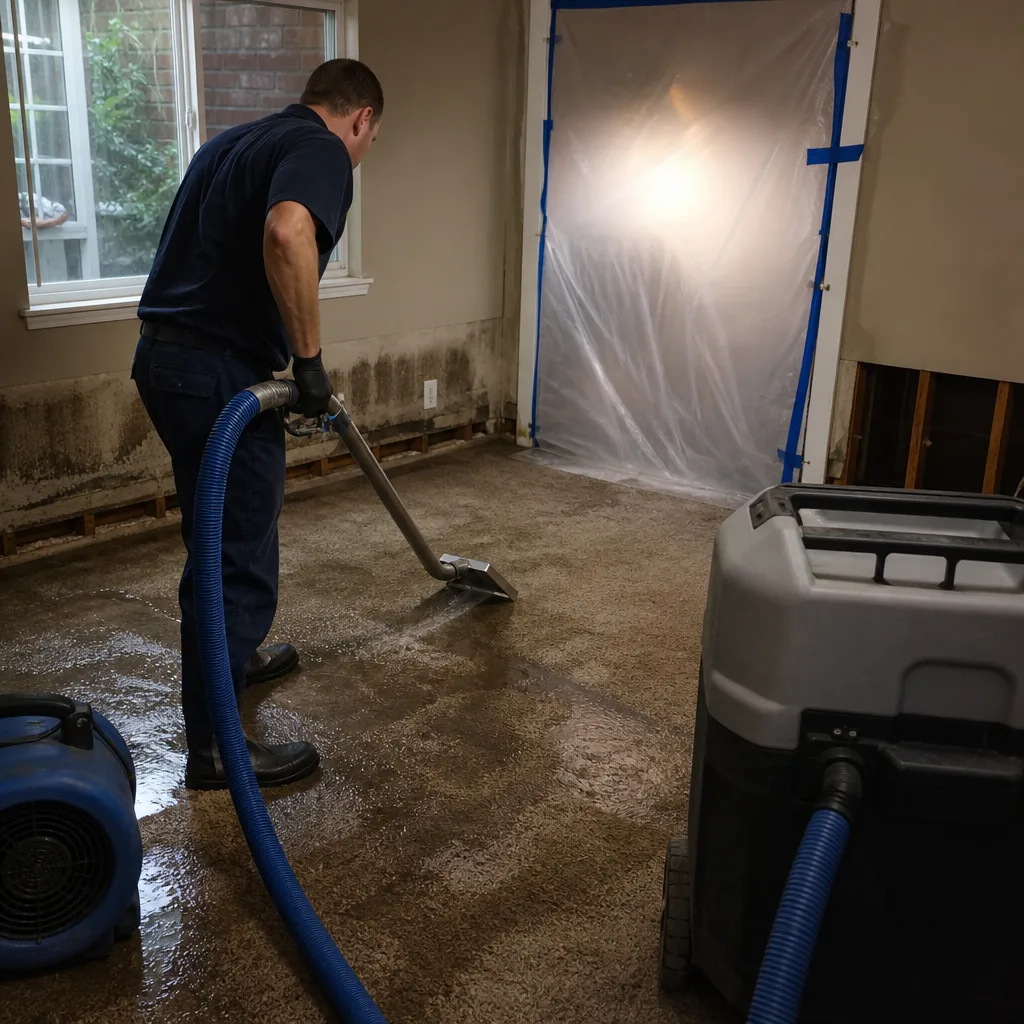
 Water damage drying
 Fire & smoke cleanup
 Mold remediation
 Storm response
 Sewage cleanup
 Reconstruction
Free visual inspection and a written scope of work before any mitigation begins - photos, moisture readings, and drying logs go in your claim file
The scope we write is the scope we bill. Anything new gets shown to you, in writing, before we touch it.
Get your free estimateDamage Restoration Cost Breakdown: The West Palm Beach Homeowner’s Reference for 2026
The average water damage claim in West Palm Beach gets quoted at $3,200 and closes at $5,800. That gap rarely reflects hidden damage discovered mid-job. It reflects an estimate that was written with intentional holes in the scope, priced to win the call, then adjusted upward once drywall was already open and the homeowner had no practical alternative. This guide breaks down what damage restoration actually costs in Palm Beach County in 2026, line by line, so you can read an estimate the way an adjuster does and spot the damage restoration warning signs before you sign. We’ll cover water extraction, structural drying, mold remediation, and fire restoration, with current West Palm Beach pricing, legitimate cost variables, and the signs of scope padding you should walk away from.
Restoration work we handle
Quick Answer
Water damage restoration in West Palm Beach typically runs $1,200 to $7,500 depending on square footage, water category, and drying time, with structural drying making up 40 to 60 percent of the total. Mold remediation averages $1,800 to $6,000 for affected areas between 10 and 50 square feet, and fire damage restoration starts around $4,000 for light smoke and soot work, climbing to $30,000-plus for full-content and structural rebuilds. A legitimate estimate is line-itemed, references square footage, includes equipment days and drying goals, and puts the total in writing before work starts-unlike the approach explored in our DIY vs professional damage restoration guide.
Table of Contents
- Water Extraction Cost in West Palm Beach: What You Pay Per Room
- Structural Drying: The Line Item That Separates Legit Estimates from Lowballs
- Mold Remediation Cost in West Palm Beach by Square Footage
- Fire Damage Restoration Cost in Palm Beach County
- What a Legitimate Written Estimate Must Include
- How Insurance Adjuster Estimates Differ from Contractor Estimates
- Legitimate Cost Variables vs. Scope Padding
- What a One-Year Workmanship Guarantee Is Worth in Dollars
- Common Mistakes to Avoid
- When to Call a Professional
- Frequently Asked Questions
- The Bottom Line
Water Extraction Cost in West Palm Beach: What You Pay Per Room
Water extraction in West Palm Beach costs between $3.50 and $7.50 per square foot for a straightforward clean-water loss, which means a 200-square-foot living room flooded by a supply-line break runs $700 to $1,500 for extraction alone. That is the first line item on any water damage estimate, and it is also the one most often undersold by contractors who plan to “discover” more water once the truck is on site. In our experience across Palm Beach County, legitimate extraction pricing reflects the water category, the flooring type, and whether the water has had time to wick into baseboards and drywall. Salt air and high ambient humidity in West Palm Beach mean standing water gets to drywall faster than it does inland, which is why we treat extraction speed as a mitigation cost, not a convenience.
Here is what you should see on a written extraction scope:
- Water category classification: Category 1, 2, or 3 per IICRC standards, with Category 3 (sewage or outside flood water) priced higher because it requires containment and antimicrobial treatment.
- Affected square footage: measured, not estimated, and broken out by room.
- Extraction method: submersible pump, truck-mounted extractor, or portable unit, each with a different price point and appropriate use case.
- Disposal fees: haul-off for saturated carpet pad, wet insulation, and unsalvageable drywall.
- Equipment removal and reinstall: if furniture or appliances must be moved to reach affected areas.
If the extraction line item is a single round number with no square footage attached, treat that as a red flag. A real scope tells you exactly what got wet and what it costs to get the water out of it. That is the difference between an estimate and a guess, and in West Palm Beach, where afternoon storms can put two inches of water in a ground-floor unit in 20 minutes, the guess is never the number that holds.
Structural Drying: The Line Item That Separates Legit Estimates from Lowballs
Structural drying in West Palm Beach runs $4 to $9 per square foot for a standard drying cycle of three to five days, including equipment rental, monitoring, and moisture documentation. That means a 300-square-foot kitchen and hallway flood costs roughly $1,200 to $2,700 to dry correctly. Drying is where lowball contractors make their margin back: they quote extraction only, set two box fans and a homeowner-grade dehumidifier, and call it done. Then the mold shows up six weeks later, and the original contractor is gone.
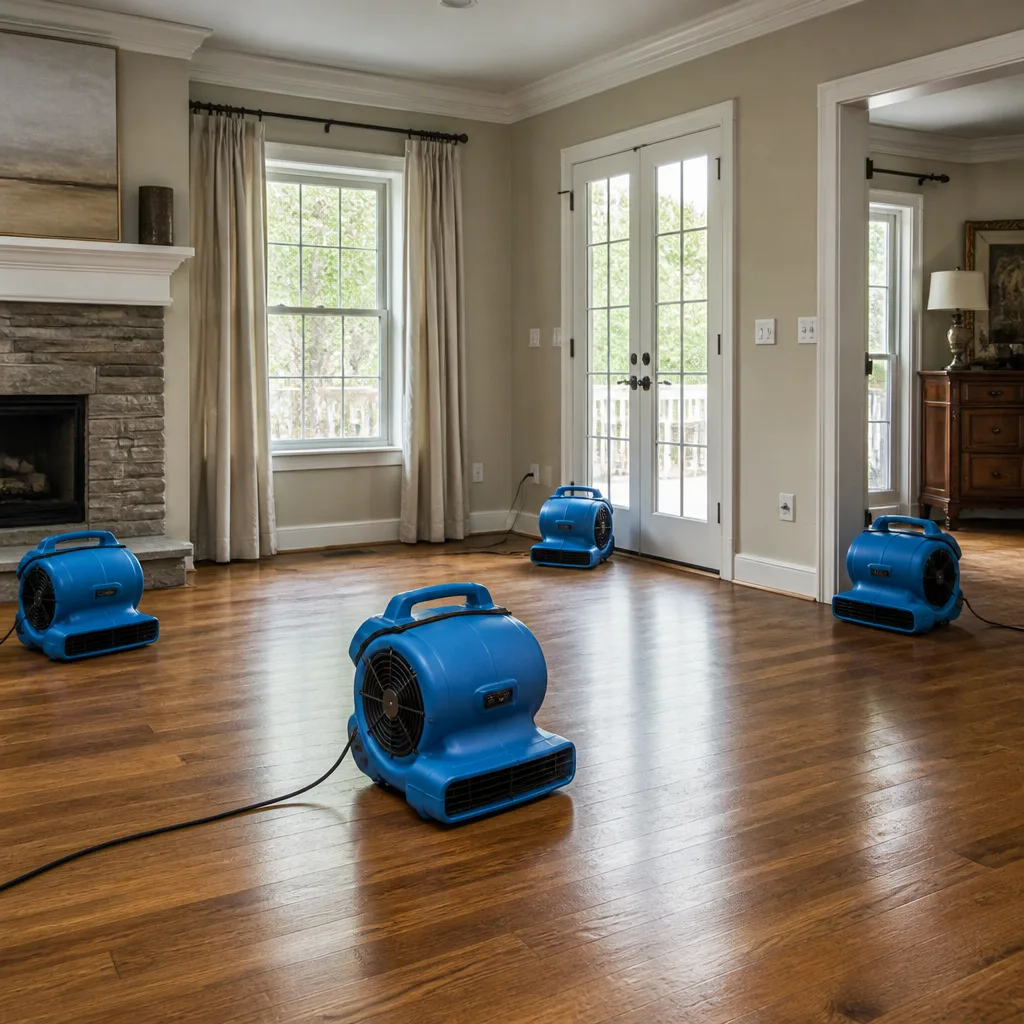
Proper structural drying is governed by psychrometrics, which is the science of how temperature, humidity, and airflow interact to move moisture out of building materials. A legitimate drying scope includes daily moisture readings, target drying goals for each affected material, and a final moisture log proving the structure hit those goals. The equipment matters, and it should be professional-grade: desiccant or low-grain refrigerant dehumidifiers (Dri-Eaz and Phoenix are the two brands we run most often in Palm Beach County), high-flow axial air movers, and occasionally an Injectidry system for pulling water from behind walls and under cabinets without demolition.
Here is what a legitimate structural drying line item should include:
- Equipment list with daily rates: number of air movers and dehumidifiers, brand and type, and the number of days each will be on site.
- Monitoring visits: call them what they are. A drying technician should check moisture levels daily, and those visits should be priced or included, not hidden.
- Drying chamber setup: containment barriers where needed, usually priced per linear foot.
- Final moisture verification: written documentation that shows wood moisture content below 16 percent and drywall below 12 percent, or whatever the scope sets as the drying goal.
- Deconstruction as a separate line: baseboard removal, drywall cuts below the water line, and flooring removal, priced by the lineal or square foot, not lumped into “drying.”
In West Palm Beach, ambient outdoor humidity averages above 70 percent for most of the year. Unconditioned air slows drying and raises the risk of secondary damage, which is why we close drying chambers and run desiccant units where the load requires. A contractor who quotes drying without accounting for Palm Beach County humidity either does not know psychrometrics or does not care. Neither one belongs in your house.
Mold Remediation Cost in West Palm Beach by Square Footage
Mold remediation in West Palm Beach typically costs $1,800 to $6,000 for affected areas between 10 and 50 square feet, which covers most residential cases. Small, contained jobs under 10 square feet can run $500 to $1,200, while a full attic or crawl space remediation with duct cleaning and HVAC involvement can reach $15,000 or more. The largest cost driver is not the mold itself. It is the containment, air scrubbing, and controlled demolition required to remove it without spreading spores through the rest of the house.
West Palm Beach’s year-round humidity means mold growth starts faster here than most homeowners expect. After a water loss, you have 24 to 48 hours to get materials dry before mold begins to germinate, and in a coastal climate with warm, moist air, that window can compress. We regularly see surface mold on drywall in Northwood and El Cid properties where water sat for less than two days. That is a West Palm Beach reality, not a scare tactic.
Current Palm Beach County pricing for mold remediation by affected area:
- Under 10 square feet: $500 to $1,200. Typically a bathroom ceiling or closet wall. Containment may not be required if the area is small and isolated.
- 10 to 30 square feet: $1,500 to $3,500. Includes HEPA air scrubbing, negative air containment, and removal of affected drywall and insulation.
- 30 to 50 square feet: $3,000 to $6,000. Adds structural drying after remediation and often includes HVAC register cleaning or duct sanitization.
- 50 to 100 square feet: $5,000 to $10,000. Common for attic mold caused by poor ventilation, which is a frequent problem in older West Palm Beach homes with shallow roof decks.
- Over 100 square feet or HVAC contamination: $10,000 to $25,000. Requires full containment, professional air duct cleaning, and post-remediation clearance testing.
A legitimate mold scope should be written to IICRC S520 standards, which means it includes a written containment plan, a work scope that specifies removal versus cleaning, and a post-remediation verification step. If a contractor quotes you “mold treatment” as a single spray-and-paint line item, they are not doing remediation. They are hiding mold behind paint, and the mold will be back before the paint smells dry. For more detail on how this process works in local homes, see our full guide on Mold Remediation in West Palm Beach.
Fire Damage Restoration Cost in Palm Beach County
Fire damage restoration in West Palm Beach starts around $4,000 for a small kitchen fire with smoke and soot damage contained to one room, and ranges from $12,000 to $30,000 for a multi-room fire with structural charring, content cleaning, and partial rebuild. A full-loss fire in a 1,800-square-foot home, meaning one where the structure must be gutted and rebuilt, can exceed $80,000. These numbers cover the full scope: board-up, soot and smoke removal, odor treatment, structural cleaning, content restoration, and repairs to framing, drywall, and finishes.
Fire restoration pricing breaks down into distinct phases, and a legitimate estimate shows each phase separately:
- Emergency board-up and tarping: $300 to $1,500 depending on window and roof coverage needed. This is security work, done the same day.
- Soot and smoke removal from structural surfaces: $3 to $8 per square foot of affected surface area. This is labor-intensive cleaning of walls, ceilings, frames, and trim.
- Content cleaning and storage: $1,500 to $12,000 depending on inventory and whether contents are cleaned on site or packed out to a facility.
- Odor treatment: $500 to $3,000. Includes thermal fogging, ozone, or hydroxyl generation. Ozone is less common in occupied homes and takes longer, which affects cost.
- Structural repair and rebuild: $45 to $150 per square foot of rebuilt area, depending on finish level. This is scoped, scheduled, and priced like a remodel, not an emergency.
One cost factor specific to West Palm Beach is the age of the housing stock. Homes built before 1978 may contain lead paint, and homes built before the mid-1980s often have asbestos in popcorn ceilings, flooring adhesives, or insulation. A fire that disturbs those materials triggers testing and abatement requirements that add $2,000 to $10,000 to the job depending on scope. A legitimate contractor flags this before demolition starts, not after a sample comes back positive. You can read more about this process on our Fire Damage Restoration in West Palm Beach page.
What a Legitimate Written Estimate Must Include
A written estimate that can hold up to adjuster review and your own scrutiny includes specific line items, not categories with round numbers. In West Palm Beach, where insurance claims are common and adjusters are familiar with restoration pricing-and where permits, codes and inspections may apply-a contractor who writes “water mitigation: $5,000” has not written an estimate. They have written a starting position for negotiation, and you are the one who loses that negotiation.
Here are the line items a legitimate restoration estimate should include:
- Scope of loss statement: a written description of what was damaged, where, and by what event. This is the reference point for the entire claim.
- Room-by-room square footage: affected area measured in square feet or lineal feet, not estimated from memory or a real estate listing.
- Equipment schedule: brand, type, and quantity of each drying or air-scrubbing unit, with daily rates and number of days.
- Labor broken out by task: extraction, demolition, cleaning, drying monitoring, and repairs listed separately with hours and rates.
- Material list: drywall, insulation, baseboard, paint, and any finish materials specified by type and quantity.
- Disposal and hauling: separate line for dump fees and labor.
- Permit fees: where applicable, and in West Palm Beach, rebuild work that touches electrical, plumbing, or structural members requires City of West Palm Beach permits.
- Overhead and profit: typically 10 and 10 percent on insurance-scoped work, shown as a percentage, not folded into line items.
- Guarantee terms: what is covered, for how long, and in writing. We reference our 365-Day Done Right Promise by name on every estimate: if the repair fails within one year, we return and make it right at no charge.
The estimate should also state the payment schedule and the conditions under which the price can change. A change order is legitimate when the scope genuinely changes, such as discovering water traveled farther behind a wall than the original inspection could see. A change order is not legitimate when it charges for something that was visible on day one but conveniently omitted from the bid. The difference shows up in the documentation, or in the absence of it.
How Insurance Adjuster Estimates Differ from Contractor Estimates
Insurance adjusters and restoration contractors are pricing the same job with different tools and different incentives. Adjusters use software like Xactimate to generate a standardized estimate based on regional pricing data for Palm Beach County, which means their numbers reflect average market rates for materials and labor in our area. Contractors write their own estimates based on actual costs and their own margin requirements. The two rarely match, and reconciling the gap is a normal part of the claims process, not a sign that someone is trying to cheat you.
The typical gap runs 10 to 25 percent on water claims and can run wider on fire and mold work where scope interpretation varies. Here is how to reconcile it without letting the gap become your problem:
- Get both estimates in writing and compare line items, not totals. The adjuster’s estimate and the contractor’s estimate should describe the same scope. If one includes something the other does not, that is the discussion.
- Ask your contractor to explain each difference. “Your estimate has 12 air movers for five days; the adjuster’s has six for three. Walk me through that.” A legitimate contractor can answer with psychrometric reasoning and moisture-log data.
- Submit supporting documentation. This is where a restoration contractor who documents every job earns their fee. Daily moisture readings, equipment logs, photos pre and post, and material receipts are what move an adjuster’s number.
- Request a supplement. If the contractor’s scope is justified by documentation, your adjuster can issue a supplemental payment. This is routine in West Palm Beach claims, where humidity extends drying times beyond software assumptions.
- Let your contractor deal with the adjuster directly. A restoration company that runs to IICRC standards and documents everything should be able to present its case to the adjuster without you acting as intermediary.
You can read more about our approach to the documentation process on our Water Damage Restoration in West Palm Beach page. The short version: every job we run is photo-documented, logged, and formatted to support your claim, because the paperwork is often what determines whether you pay out of pocket or not.
Legitimate Cost Variables vs. Scope Padding
Some cost differences between quotes reflect real conditions on the ground. Others reflect a contractor’s decision about how much they think you will tolerate. Knowing which is which is the difference between paying for access difficulties and paying for a contractor’s boat.
Legitimate variables that move the price:
- Water category: Category 3 water from sewage or flooding costs more to extract and dispose of safely. That is a real cost, driven by biohazard handling requirements.
- Access difficulty: a second-floor bathroom with no exterior door costs more to dry than a ground-floor garage. Equipment has to be carried, chambers built, and monitoring takes longer.
- Building material type: plaster walls dry slower than drywall, and solid hardwood costs more to dry or replace than laminate. Older West Palm Beach homes with plaster and lathe construction run higher drying bills.
- Asbestos and lead testing: required by federal law on pre-1978 and pre-1986 structures before demolition. This is not optional and it adds cost.
- Equipment type and quantity: desiccant dehumidifiers cost more per day than refrigerant units and dry faster in high-humidity conditions. You pay for speed and certainty.
Scope padding that should make you walk:
- Assessment or consultation fees: a legitimate restoration contractor offers a free damage assessment. Charging $200 to $400 to “evaluate” the job is a red flag in this industry.
- Fuel surcharges: fuel is an operating cost, not a line item. If a contractor is adding $50 to $150 per trip for gas, they are bad at pricing or testing you.
- Vague categories with big numbers: “Mitigation: $4,500” or “General restoration: $6,000” with no breakdown. Ask for the line items. If they will not provide them, the number is not real.
- Price-move language: any version of “we’ll know more once we get in there” attached to a low initial quote. A professional can see the scope on day one and write it down. What gets discovered later is a supplement, not a gotcha.
- Charging for supervision or “project management” on a two-day drying job: drying work is monitored by technicians, not a project manager billing $75 an hour to watch a dehumidifier.
In West Palm Beach, we see padding most often in the summer storm season, when demand spikes and some contractors know homeowners are making panicked calls at 2 a.m. That is exactly when you need a written scope most, and exactly when a disciplined company will give you one. The Garrison Standard we run to is simple on this point: the price is in writing before any work starts, and it never moves at the door.
What a One-Year Workmanship Guarantee Is Worth in Dollars
A one-year workmanship guarantee has real dollar value, but only if it names what it covers and how the return visit works. In restoration, the most common failure points are concealed: a wall cavity that did not fully dry, a baseboard that loosens months after reinstall, a paint seam that opens as humidity cycles. Those failures show up within the first year, which is why the one-year window matters and why a guarantee without a return-visit provision is worth nothing.
Here is how to value a guarantee in dollar terms:
- A free return visit saves $500 to $2,000 if a drying job fails and needs rework. That is the cost of a small re-dry or a localized repair. Without a guarantee, it is out of pocket.
- A written promise beats a verbal one by the full cost of the original repair. If a contractor will not put it in writing, assume it does not exist.
- A guarantee that covers workmanship but not materials is common, but limited. Better guarantees cover both, because material failures in restoration often stem from improper installation or selection, not manufacturer defects.
- The guarantee should transfer with the home. If you sell within the year, the new owner should inherit it. If not, its value drops to zero the day you list.
Our 365-Day Done Right Promise covers the full repair for a full year. If the work fails within that window, we return and make it right at no charge, and the second visit is free. That is not a marketing line. It is a written term on every estimate we produce in West Palm Beach, and it is one of the reasons our work runs to The Garrison Standard, which also governs how we price: written before we start, no exceptions.
Common Mistakes to Avoid
- Accepting a round-number estimate without line items. Round numbers are negotiation openers, not scopes. Insist on breakdown by task, square footage, and equipment.
- Signing an authorization form before you see the price. Some contractors get a signature at the door and fill in the number later. Never sign anything without a price in writing.
- Choosing a contractor based on speed of arrival alone. A fast truck means nothing if the scope is vague. A company that answers live and gives a written scope in the first visit is worth more than one that arrives in 20 minutes with a blank invoice.
- Assuming the insurance estimate is the final word. Adjuster estimates are a starting point. Documented contractor scopes routinely get supplemented. Eat the gap and you are volunteering to pay your insurer’s lowball.
- Ignoring humidity in West Palm Beach drying scopes. If a contractor quotes drying without referencing local humidity or using professional-grade equipment, they are setting up a mold problem six weeks out.
- Underestimating containment costs on mold jobs. Mold remediation without negative air containment spreads spores. That cost is not optional, and contractors who omit it are pricing a cosmetic wipe-down, not remediation.
- Paying a full balance before the final walkthrough. Legitimate contractors bill in draws tied to milestones. Never pay the final 20 percent until you have walked the site and reviewed the documentation.
When to Call a Professional
Call a restoration professional the moment you see standing water that covers more than a single room, water that is gray or black rather than clean, or any visible mold patch larger than a dinner plate. Fire damage, even small kitchen fires, requires professional soot and odor work because the residue is corrosive and the smoke smell will linger for months if not properly treated. Delaying a call in any of these cases increases scope, which increases cost, and in West Palm Beach’s humidity, the delay window is shorter than most homeowners think. If you are looking at a water, fire, or mold issue in West Palm Beach, Keegan Restoration West Palm Beach offers free estimates and written scopes before any work starts. Call (728) 220-0713 and a live person answers, day or night.
Frequently Asked Questions
Water damage restoration in West Palm Beach runs $1,200 to $7,500 for most residential jobs, with extraction at $3.50 to $7.50 per square foot and structural drying at $4 to $9 per square foot. The total depends on the water category, affected square footage, and how much demolition and rebuild work is required. Call (728) 220-0713 for a free written estimate on your specific loss, or explore our more guides & resources.
Most standard homeowner’s policies cover sudden and accidental water damage, such as a burst pipe or supply line failure, but exclude gradual leaks, flood damage, and sewer backup unless you carry specific riders. West Palm Beach homes in flood zones typically require a separate NFIP or private flood policy. Your restoration contractor should document the loss and work directly with your adjuster to support the claim.
In West Palm Beach, most legitimate restoration companies can have a crew on site within 2 to 4 hours of your call, and the best ones answer the phone live 24/7. Speed matters for mitigation because standing water starts damaging materials immediately, and mold germination begins within 24 to 48 hours in our humidity. A company with local crews in Palm Beach County will always outrun a regional call center dispatching from two counties away.
Visible mold is often the smallest part of the problem, and surface cleaning without containment and air scrubbing spreads spores to unaffected areas. If the affected area is under 10 square feet and the source of moisture has been corrected, light surface cleaning may be appropriate with proper PPE. Anything larger, or any mold caused by a water loss, should be assessed and remediated to IICRC S520 standards by a professional.
A legitimate written estimate includes a scope of loss statement, room-by-room affected square footage, a line-itemed equipment schedule with brand and daily rates, labor broken out by task, a material list, disposal fees, and the guarantee terms in writing. Vague categories like “mitigation” or “general restoration” with round numbers attached are red flags. The price should be in writing before any work starts.
The restoration contractor should be willing and able to present their scope, documentation, and pricing directly to your adjuster. This includes daily moisture logs, equipment records, photos, and material receipts. A contractor who leaves you to negotiate the claim yourself is offloading the hard part of the job. Ask before you sign whether they handle adjuster communication as part of the process.
The Bottom Line
Damage restoration in West Palm Beach costs what it costs because of square footage, water category, humidity, and material type, not because a contractor decided to round up. The number on your estimate should be built from line items you can verify, with equipment you can identify and a guarantee you can enforce. If the price is in writing before work starts and it does not move at the door, you are dealing with a company that runs on discipline. That is the difference between a $3,200 quote that becomes $5,800 and a quote that holds. In West Palm Beach, where restoration work happens under claim pressure, humidity, and time, the written number is the only number that counts.
Written by Shane Pruitt, Owner at Keegan Restoration West Palm Beach, serving West Palm Beach since 2005.
See the difference
 Before
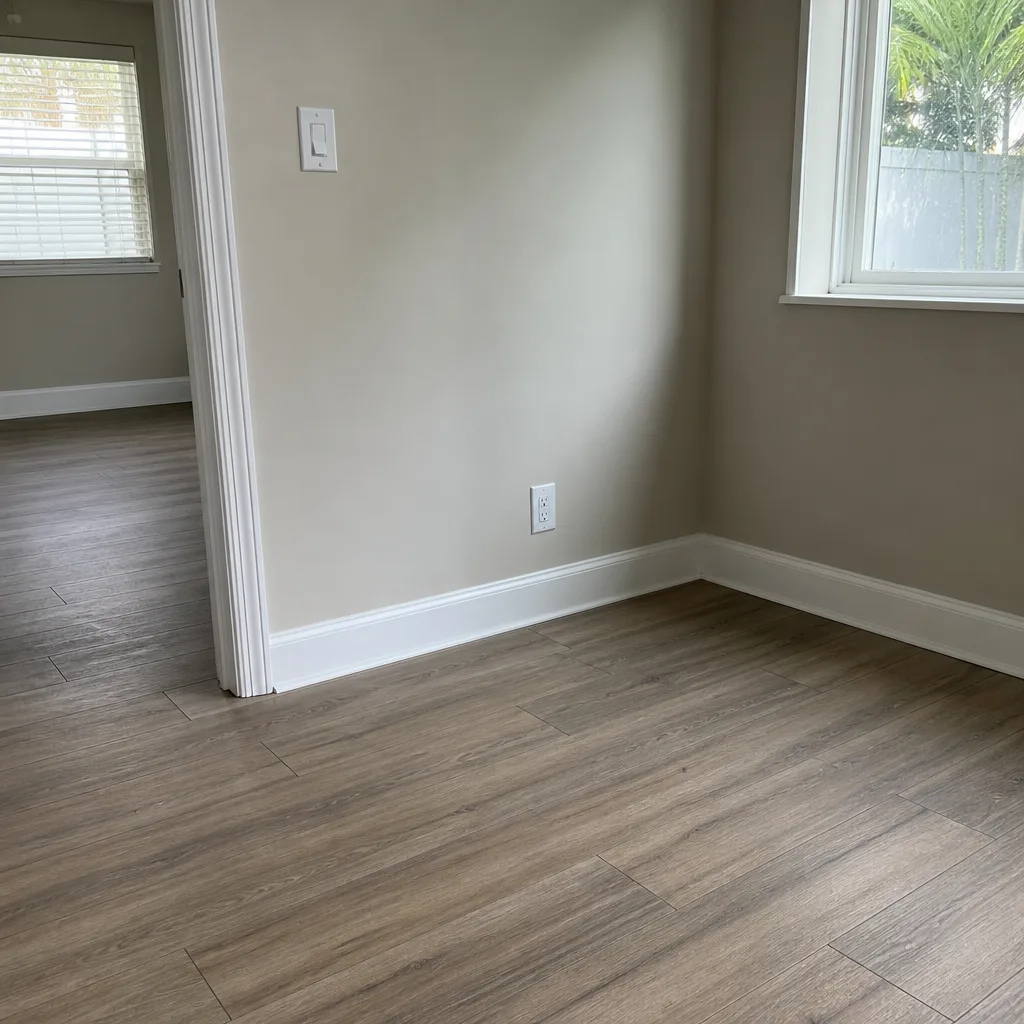 After
After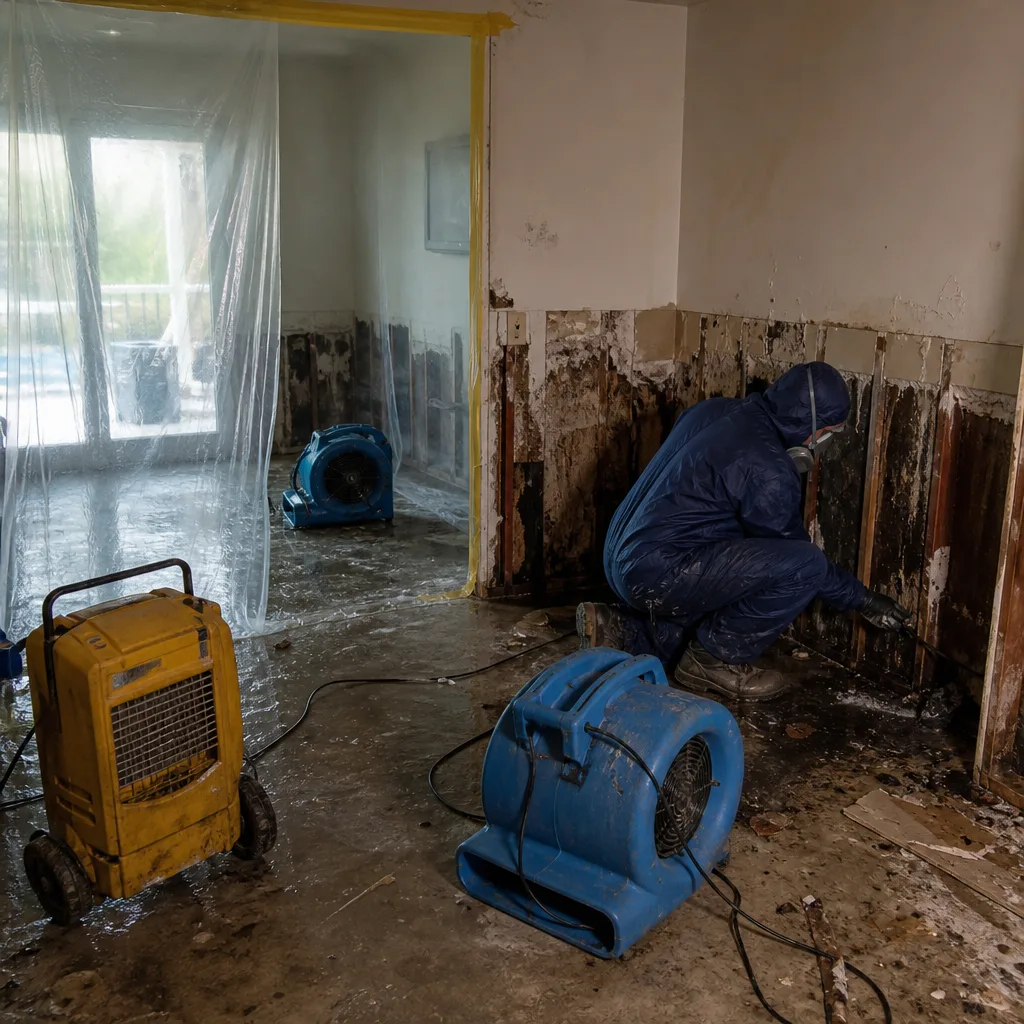 Before
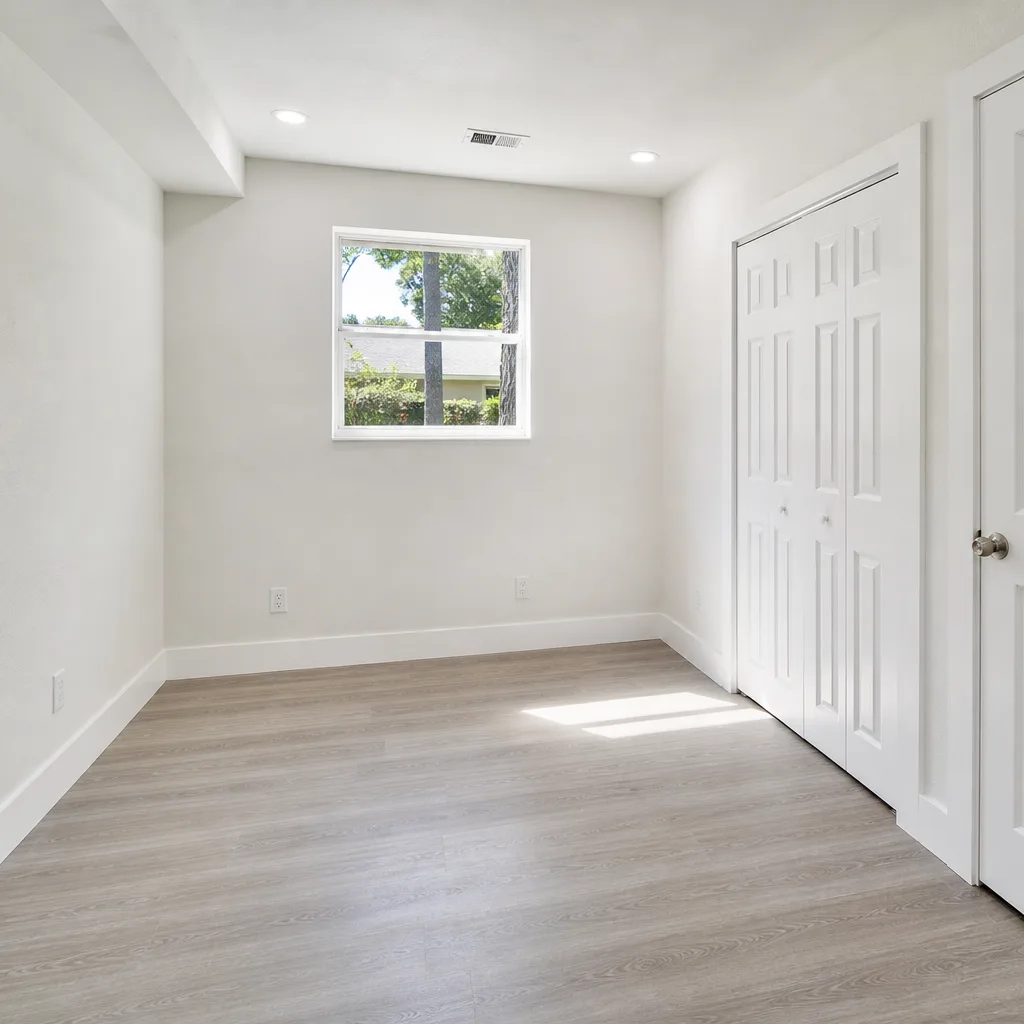 After
After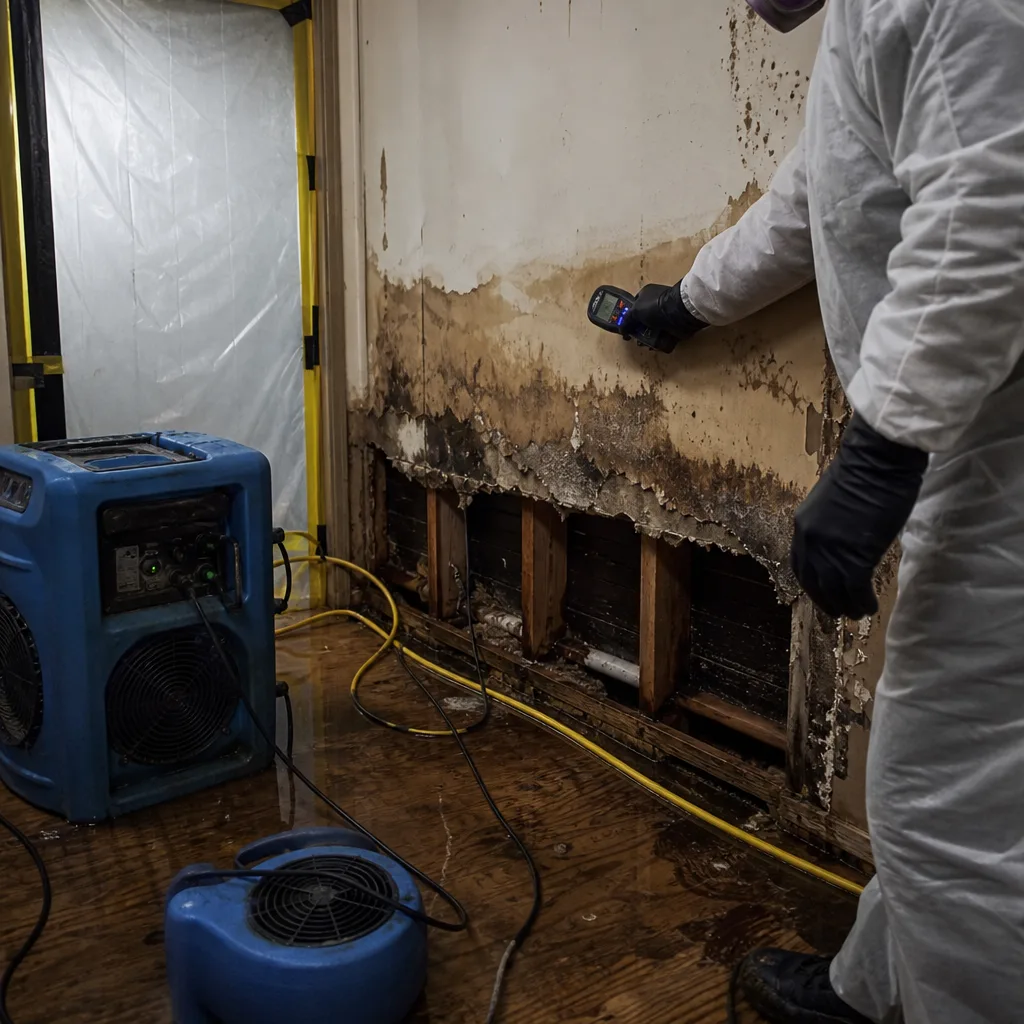 Before
 After
After