
Last updated October 16, 2026
 Water damage drying
 Fire & smoke cleanup
 Mold remediation
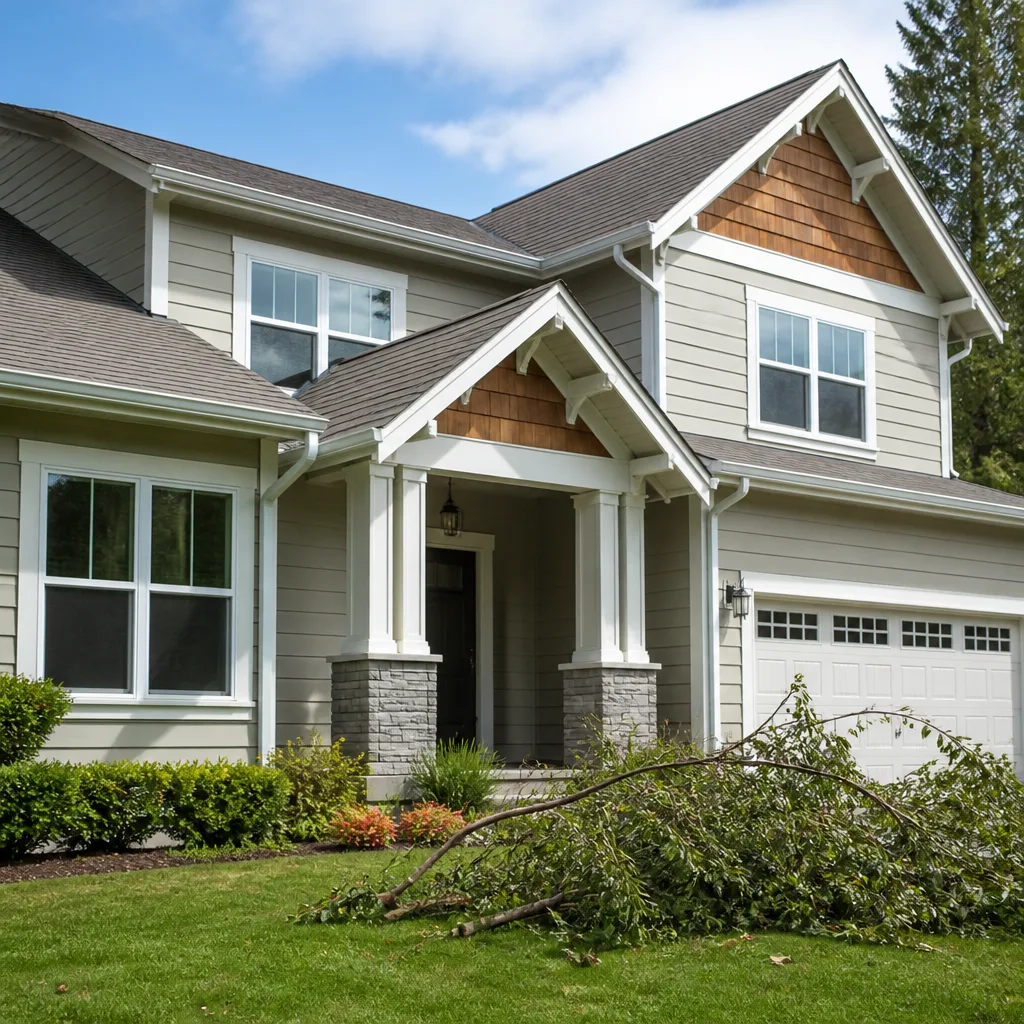 Storm response
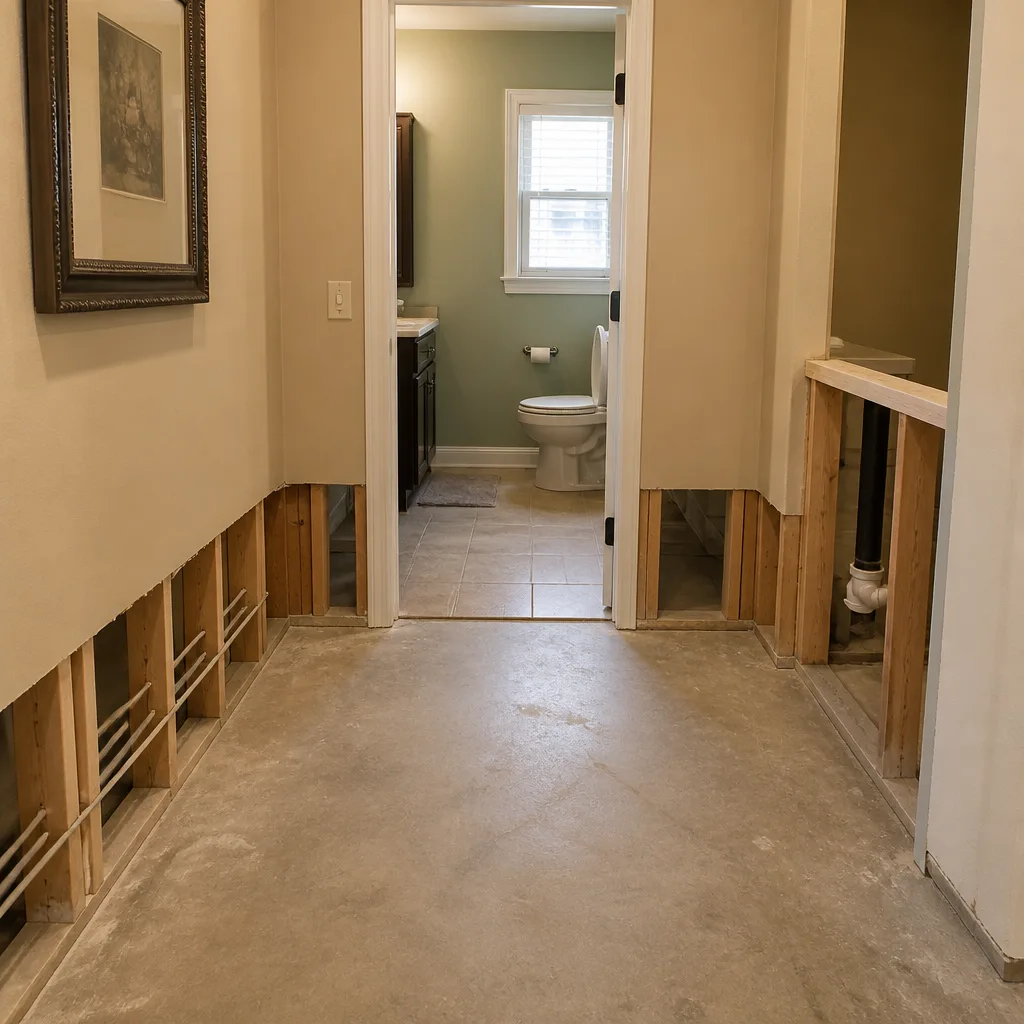 Sewage cleanup
 Reconstruction
Free visual inspection and a written scope of work before any mitigation begins - photos, moisture readings, and drying logs go in your claim file
The scope we write is the scope we bill. Anything new gets shown to you, in writing, before we touch it.
Get your free estimateDIY vs Professional Damage Restoration: The West Palm Beach Homeowner’s Decision Guide
Running a box fan on wet carpet for 48 hours feels like doing something. But in West Palm Beach’s humidity, that fan is circulating mold spores through your home while the moisture stays locked in the padding underneath. And when you file the insurance claim, your adjuster may classify those two days as failure to mitigate, which can reduce your payout or void coverage entirely. This guide walks through where Florida draws the line between homeowner responsibility and professional restoration, what you can legally do in the first two hours, and which scenarios put your coverage at risk if you handle them yourself.
Restoration work we handle
Quick Answer
DIY restoration in West Palm Beach is only appropriate for clean-water spills under roughly 10 square feet that you can fully dry within 24 to 48 hours. Anything larger, any gray or black water, any fire damage, or any visible mold growth crosses thresholds where Florida insurers expect professional mitigation, and where your own documentation becomes legally insufficient for a claim. When in doubt, call a licensed restoration company before you move furniture or start drying, because what you do in the first hours determines what your insurer will pay.
Table of Contents
- The Florida Thresholds That Most Homeowners Never See Coming
- What You Can Legally and Safely Do in the First Two Hours
- Consumer-Grade vs Professional Drying Equipment: The Measurable Gap
- What DIY Destroys: Documentation Your Insurance Claim Needs
- The West Palm Beach Decision Matrix: When DIY Works, When It Backfires
- Mold and Fire: Why These Two Categories Almost Never Belong in DIY Territory
- Common Mistakes to Avoid
- When to Call a Professional
- Frequently Asked Questions
- The Bottom Line
The Florida Thresholds That Most Homeowners Never See Coming
Florida doesn’t publish a simple “DIY allowed under this many square feet” sign. The thresholds that matter are written into insurance policies, building codes, and case law, and they’re almost always expressed in terms of water category, affected area, and time. West Palm Beach homeowners regularly discover these lines after the fact, when an adjuster explains why a claim that felt straightforward is being paid at a fraction of the repair cost.
Here’s what actually draws the line in Florida:
- Category 1 water (clean water from a supply line or sink overflow): DIY drying is generally defensible if the affected area is under about 10 square feet and you can dry it completely within 24 to 48 hours. Beyond that size or timeline, most policies expect professional mitigation. An adjuster reviewing a 400-square-foot living room dried with a single rental fan will almost certainly classify the drying as inadequate.
- Category 2 water (gray water from washing machines, dishwashers, or toilet overflow without solid waste): Florida insurers expect professional extraction and antimicrobial treatment. DIY work here creates a coverage gap the moment mold appears, because the insurer can argue the contamination was never properly addressed.
- Category 3 water (black water from sewage backups, storm surge, or rising groundwater): This is never DIY territory under Florida law. The water contains pathogens, and anything porous it touches, including carpet, padding, drywall, and baseboards, must be removed and disposed of by a licensed firm. Attempting this yourself voids coverage and creates a health hazard.
- Mold growth visible beyond 10 square feet: Florida does not license mold remediation contractors, but insurers follow the IICRC S520 standard and similar industry benchmarks. If mold coverage exists in your policy, it typically requires professional remediation with third-party clearance testing. DIY mold removal frequently voids the claim and leaves spore counts high enough to fail a post-remediation verification.
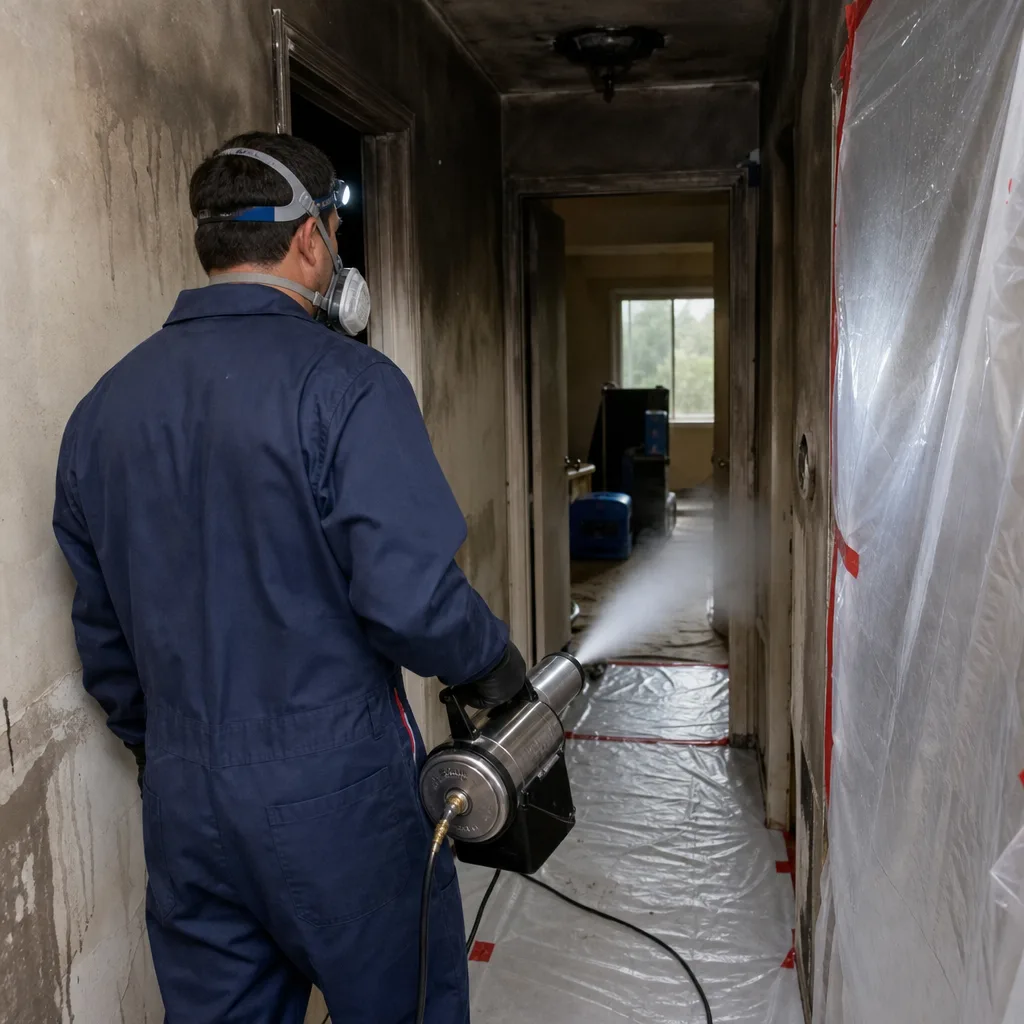
- Fire damage of any size: Smoke and soot are not surface problems. They embed in drywall, insulation, ductwork, and framing. Florida insurers expect professional structural cleaning and deodorization, and DIY attempts typically make the odor worse by driving soot deeper into porous materials.
The pattern is consistent: Florida policies protect homeowners who act promptly and professionally. They penalize homeowners who improvise. The thresholds are not arbitrary. They reflect what actually prevents secondary damage in a climate where the average relative humidity in West Palm Beach stays above 70 percent for most of the summer. What dries on its own in Denver never dries on its own here.
What You Can Legally and Safely Do in the First Two Hours
The first two hours after water damage are not for drying. They’re for stopping the source and protecting the property. Florida insurers expect every homeowner to take certain immediate steps, and doing these things well strengthens your claim. Skipping them, or doing the wrong thing, does the opposite.
Here’s a step-by-step sequence that protects both your home and your coverage:
- Stop the water at its source. Shut off the main water valve or the fixture supply line. For sewage backups, do not flush or run water anywhere in the house. Each flush sends more water into the affected area.
- Cut power to affected rooms only if you can do so safely and without stepping in water. Standing water and live electricity don’t mix. If the breaker panel is dry and accessible, turn off the circuits for the affected areas. If it’s wet or you’re unsure, call a professional and wait.
- Move valuable items out of the water. Furniture, rugs, electronics, documents, and anything porous should be lifted out of the affected area and placed somewhere dry. Document their condition with photos as you move them.
- Call your insurance company and report the loss. Florida policies have notice requirements, and delays can reduce your payout. Describe what happened, where the water came from, and what you’ve done so far.
- Call a restoration company. In West Palm Beach, a live person should answer. A restoration firm that answers 24/7, like Keegan Restoration West Palm Beach home, can dispatch a crew and give you immediate guidance over the phone while you wait. Every hour of delay in this climate increases the chance of mold.
What you should not do in the first two hours: don’t start pulling up carpet, don’t cut into drywall, don’t rent equipment, and don’t set up fans. Those actions come after a professional assessment, because they can create the exact conditions your insurer will later point to as mishandled mitigation.
Consumer-Grade vs Professional Drying Equipment: The Measurable Gap
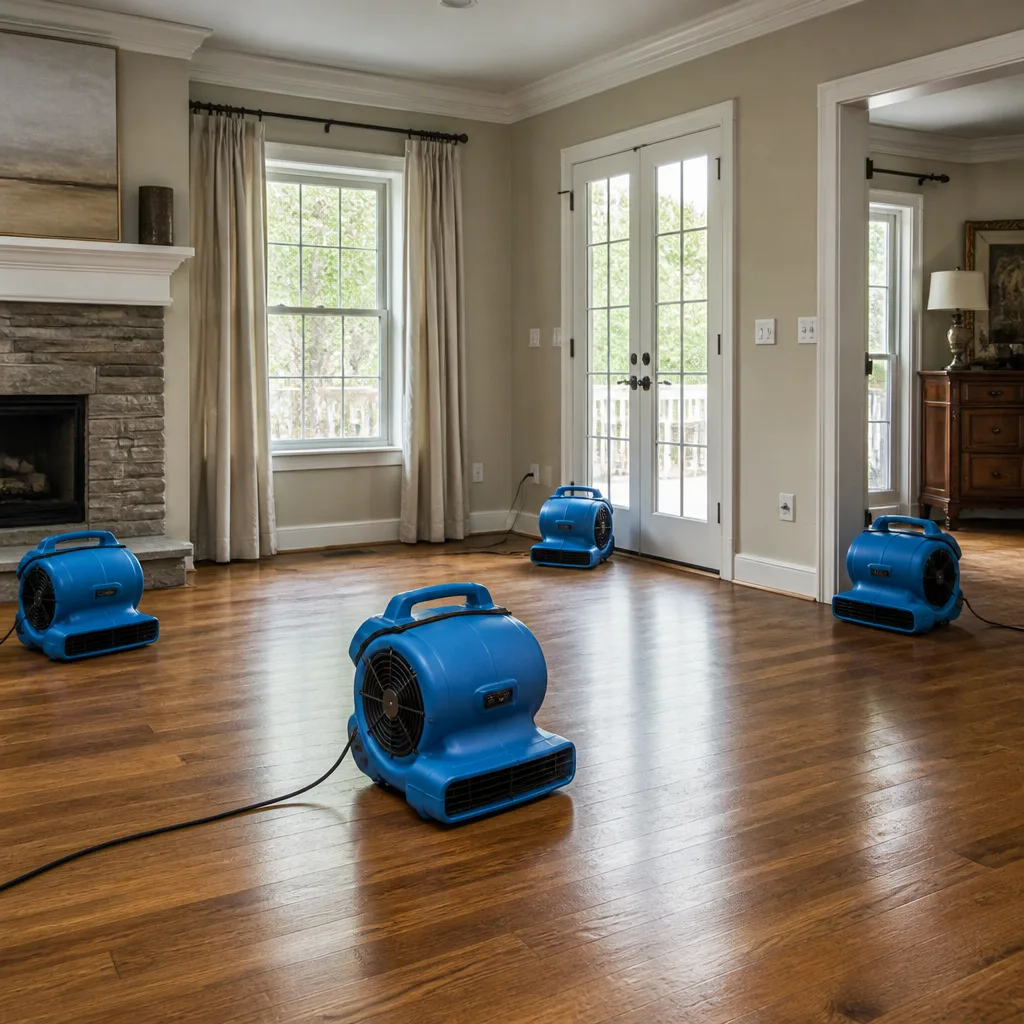
The difference between a box fan from a big-box store and a professional drying setup is not a marketing claim. It’s measurable in cubic feet per minute, pints per day, and grains per pound. A typical consumer box fan moves air at 1,500 to 2,500 CFM but does nothing to remove moisture from the air itself. A professional air mover from a brand like Dri-Eaz is built to move focused, high-velocity air across wet surfaces at much higher static pressure, which is what actually drives evaporation. But more importantly, professional drying uses equipment that removes the moisture from the air so it can’t re-condense somewhere else.
In West Palm Beach’s climate, this distinction matters more than anywhere else in the continental U.S. Here’s the practical breakdown:
- Consumer dehumidifiers extract 20 to 30 pints per day under ideal conditions, and their performance collapses as humidity drops or temperatures rise. A professional dehumidifier from Dri-Eaz or Phoenix extracts 70 to 130 pints per day and is engineered to operate inside sealed containment rooms where humidity deliberately stays high.
- Consumer fans circulate air without removing moisture. In a humid West Palm Beach home, they accelerate evaporation off wet surfaces, which increases ambient humidity, which pushes moisture deeper into drywall, cabinets, and subfloor. You’re not drying your house. You’re redistributing the water.
- Professional air movers from manufacturers like XPOWER create directed airflow patterns designed for specific materials and cavities. They’re paired with desiccant or refrigerant dehumidifiers that pull the evaporated moisture out of the air continuously, creating the drying gradient that actually removes water from building materials.
- The measurement gap is where insurers do their work. Professional restorers document moisture levels in walls, floors, and framing with penetrating and non-penetrating meters, and they track drying progress daily with psychrometric readings. A DIY drying effort produces none of that data. Your insurer sees a claim with no third-party drying log, and the coverage decision gets made without the evidence that would have supported you.
The honest assessment: no rental equipment available to a homeowner in West Palm Beach can replicate a professional drying system, because the professional system is not the equipment. It’s the equipment plus the measurement plus the daily adjustment cycle. The machines without the monitoring are just louder versions of your box fan.
What DIY Destroys: Documentation Your Insurance Claim Needs
Insurance claims run on evidence, and the evidence that matters most is generated in the first 48 hours. When a homeowner handles mitigation themselves, they’re not just taking on physical work. They’re taking on the burden of proof, and they’re doing it without the tools or the standing to document the loss in a way the insurer accepts.
Here’s what professional documentation preserves, and what DIY work destroys:
- Moisture mapping at the time of loss. A professional restoration crew maps the full extent of water migration before touching anything. That map becomes part of the claim file. A homeowner who pulls up carpet and starts drying before photos are taken has destroyed the evidence of how far the water traveled, which is often the single most important fact in the claim.
- Equipment logs and daily drying records. Insurers want to see that the drying process was conducted to industry standards. Professional firms using equipment from Dri-Eaz or Phoenix generate daily logs showing moisture readings, humidity levels, and equipment placement. Those logs are formatted to support your claim. A homeowner using rental equipment has no logs, no standards, and no third-party verification.
- Photographic evidence with dates and scope. A restoration firm photographs the damage before, during, and after mitigation. The photos are timestamped, organized, and delivered in a format adjusters expect. Phone photos taken after furniture has been moved and carpet peeled back document a different story, often one that works against you.
- The scope of loss document. This is the written list of what was affected, what was done about it, and what needs repair. Professional restoration firms write this scope before work starts, and it becomes the foundation for the repair estimate. Without it, you’re negotiating against your insurer with no standard to point to.
In West Palm Beach, where water claims can involve storm surge, sewage backup, and pre-existing humidity issues, the documentation gap is where claims get reduced or denied. The cost of remediation is rarely the issue. The cost of proving what happened is where homeowners lose.
The West Palm Beach Decision Matrix: When DIY Works, When It Backfires
The DIY versus professional decision is not about how handy you are. It’s about what you’re dealing with and what’s at stake. Here’s a clear breakdown for West Palm Beach homes:
DIY is generally acceptable when:
- Clean water (Category 1) from a supply line, sink, tub, or appliance, and the affected area is under roughly 10 square feet.
- You can fully dry the area, including padding and subfloor, within 24 to 48 hours, verified with a moisture meter.
- No wall cavities, cabinets, or flooring beyond the visible area are affected, or you’ve confirmed with a moisture meter that they’re dry.
- The water source is stopped, the area is clean, and there’s no sewage, chemicals, or outside floodwater involved.
- You’re willing to remove and replace the wet materials yourself, because drying in place is rarely sufficient in West Palm Beach humidity.
Professional restoration is required when:
- Water covers more than 10 square feet, or you can’t see where the water has traveled under walls, cabinets, or flooring.
- The water is gray or black (Category 2 or 3), including washing machine overflow, dishwasher leaks, toilet overflow, sewage backups, or storm surge.
- Water has been standing for more than 24 hours, or mold is visible or smells present.
- Drywall, baseboards, or flooring is saturated and has been wet long enough to wick moisture upward into framing.
- Any fire, smoke, or soot damage is present, even if it looks surface-level.
- Your insurance policy includes coverage for the loss, because professional mitigation is what protects the claim.
The deciding variable in West Palm Beach is almost always time. A small clean-water spill caught immediately and dried aggressively can work as a DIY project. The same spill left for 24 hours in August has already started growing mold in the padding, and no amount of homeowner effort will correct that.
Mold and Fire: Why These Two Categories Almost Never Belong in DIY Territory
Water damage sits on a spectrum. Some of it is genuinely manageable by a careful homeowner with the right tools. Mold and fire are different. They’re the two categories where DIY work creates compounding problems that professional work is designed to prevent.
Mold: The Coverage and Health Problem
Visible mold in West Palm Beach is almost always the result of moisture that was never properly dried. Once it’s present, removing it is not a matter of spraying bleach on the visible spot. Mold grows in hidden cavities, releases spores that spread through HVAC systems, and requires containment and air scrubbing to remove safely. Florida insurers treat mold as a secondary damage problem, meaning the initial water claim and the mold claim are handled separately, and the mold claim is often capped at a few thousand dollars unless the homeowner can show professional mitigation was performed promptly. A homeowner who attempts DIY mold removal and then files a claim has handed the insurer a reason to deny the mold portion entirely. For homes already showing mold growth, Mold Remediation in West Palm Beach requires containment, negative air pressure, and clearance testing.
Fire: The Residue That Never Stops Moving
Smoke damage looks like soot on surfaces. What you can’t see is the acidic residue embedded in drywall, insulation, ductwork, and framing, and the odor molecules that keep off-gassing for months or years. DIY fire cleanup typically involves wiping visible soot with household cleaners, which drives the residue deeper and sets the odor. Professional fire restoration uses chemical sponges, HEPA air scrubbers, thermal fogging, and ozone or hydroxyl generators with equipment from manufacturers like XPOWER and Dri-Eaz. The work requires personal protective equipment and specialized techniques that no rental counter provides. Any fire that produces smoke, even a small kitchen fire, belongs with Fire Damage Restoration in West Palm Beach professionals.
Common Mistakes to Avoid
- Running fans and home dehumidifiers on Category 2 or 3 water. This spreads bacteria and sewage particles into the air and throughout the home, and your insurer will note that the contamination was never properly addressed.
- Pulling up carpet before taking photos. The carpet and padding are evidence of how far water traveled. Once you remove them, you’ve destroyed the map that proves your claim.
- Waiting a few days to see if it dries on its own. In West Palm Beach’s humidity, wet drywall and padding begin molding within 48 to 72 hours. Waiting turns a mitigation job into a remediation job and a bigger claim.
- Using bleach on visible mold. Bleach doesn’t kill mold on porous surfaces and it doesn’t reach the colony inside the material. It also adds moisture, which the mold uses to regrow.
- Hiring the first company that answers without checking what they document. West Palm Beach has many restoration firms. The ones that matter are the ones that put the scope in writing before work starts and generate the drying logs and photo documentation your insurer will require.
- Assuming home insurance covers everything. Standard Florida policies exclude flood damage, cap mold coverage, and have specific mitigation obligations. Knowing your policy’s thresholds before the loss happens is the cheapest insurance you can buy.
When to Call a Professional
Call a professional the moment water covers more than a small contained area, when the water is anything other than clean, when mold is visible or you can smell it, or when fire or smoke has touched any part of the home. In West Palm Beach, the margin for error is measured in hours, not days. Keegan Restoration West Palm Beach offers free estimates in West Palm Beach, and a live person answers the phone at (728) 220-0713, 24 hours a day, 7 days a week. We put the price in writing before any work begins, document every job to support your insurance claim, and back every repair with the 365-Day Done Right Promise. If you’re not sure whether you need professional help, call and ask. The guidance is free.
Frequently Asked Questions
Homeowners insurance typically covers professional water damage restoration when the cause is sudden and accidental, but DIY work can reduce or void coverage if the insurer determines the homeowner failed to mitigate properly. Florida policies expect prompt, professional-grade mitigation, and your own documentation may not meet the standard. Call your insurer before you start any DIY drying, and call Water Damage Restoration in West Palm Beach for a professional assessment at (728) 220-0713.
In West Palm Beach, reputable restoration firms answer calls 24/7 and typically dispatch crews within an hour for active water damage. Keegan Restoration West Palm Beach has a live person answering the phone at all hours, and our technicians arrive in uniform, prepared to begin extraction immediately. The first call you make should be to (728) 220-0713.
It depends on the extent of the mold growth and whether containment can be established around the affected area. In many cases, homeowners can stay in the home while professional mold remediation in West Palm Beach is performed with sealed containment and negative air pressure. Your remediation company will advise you based on the specific situation.
Mitigation is the immediate response: stopping the water, extracting standing water, setting up drying equipment, and preventing further damage. Restoration is the repair work: replacing drywall, flooring, cabinetry, and painting. West Palm Beach homeowners should expect both phases to be documented separately for their insurance claim.
Clean water comes from supply lines, sinks, tubs, and appliances with no chemical or biological contamination. Gray water comes from washing machines, dishwashers, and toilet overflow without solid waste. Black water comes from sewage backups, storm surge, and rising groundwater. In West Palm Beach, where rising water tables and storm surge are real risks, any water from outside the home should be treated as contaminated until proven otherwise.
Filing any homeowner’s insurance claim can affect your rates, but Florida law and standard policy language often protect policyholders from premium increases for certain weather-related claims. The bigger risk is under-documenting the claim and receiving a reduced payout. Professional documentation from a restoration firm strengthens your position and typically pays for itself in claim value at (728) 220-0713.
The Bottom Line
The DIY versus professional restoration decision in West Palm Beach comes down to thresholds most homeowners don’t know exist until a claim is denied. Small clean-water spills caught immediately can be handled by a careful owner. Everything beyond that, and anything involving contaminated water, mold, or fire, belongs with professionals who document the work to Florida insurance standards. The box fan feels productive, but in this climate it’s usually making things worse. When in doubt, call Keegan Restoration West Palm Beach at (728) 220-0713. The price is written before the work starts, and the guidance is free.
Written by Shane Pruitt, Owner at Keegan Restoration West Palm Beach, serving West Palm Beach since 2005.
See the difference
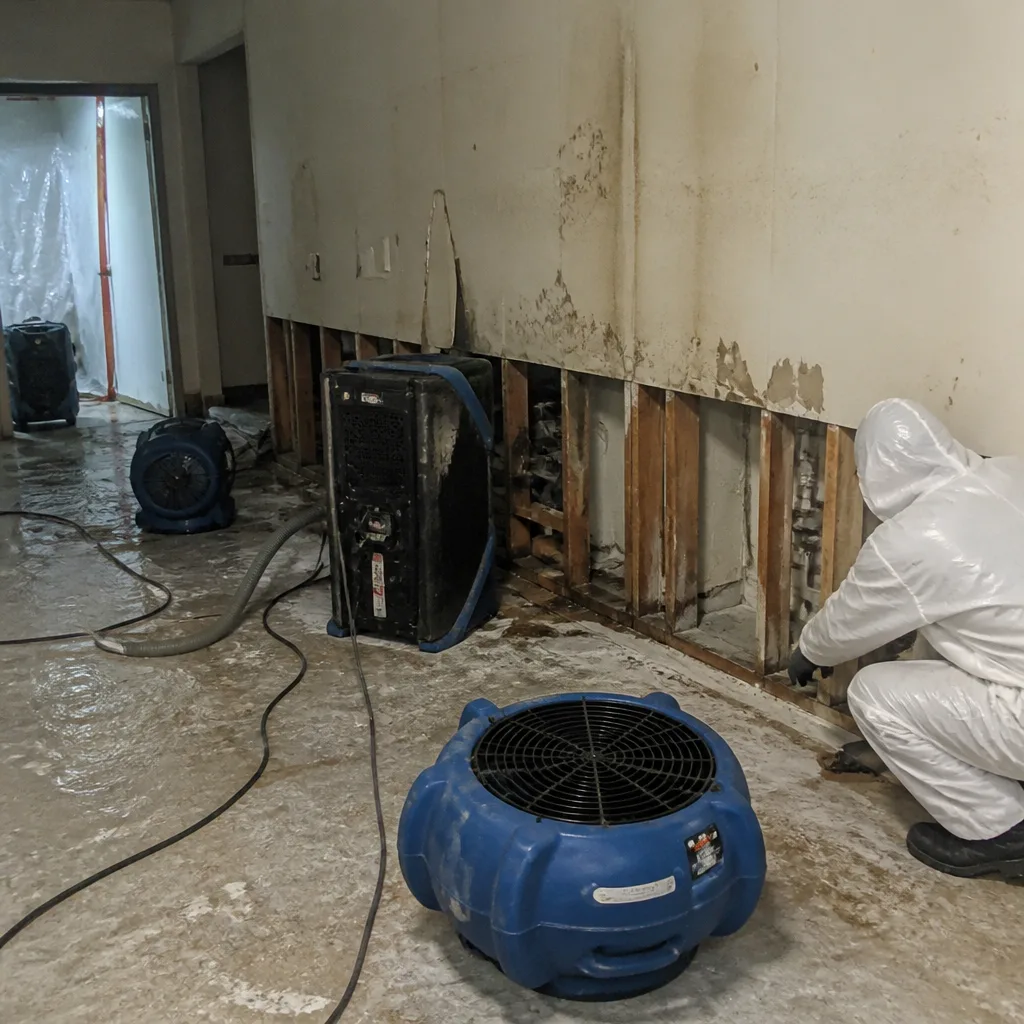 Before
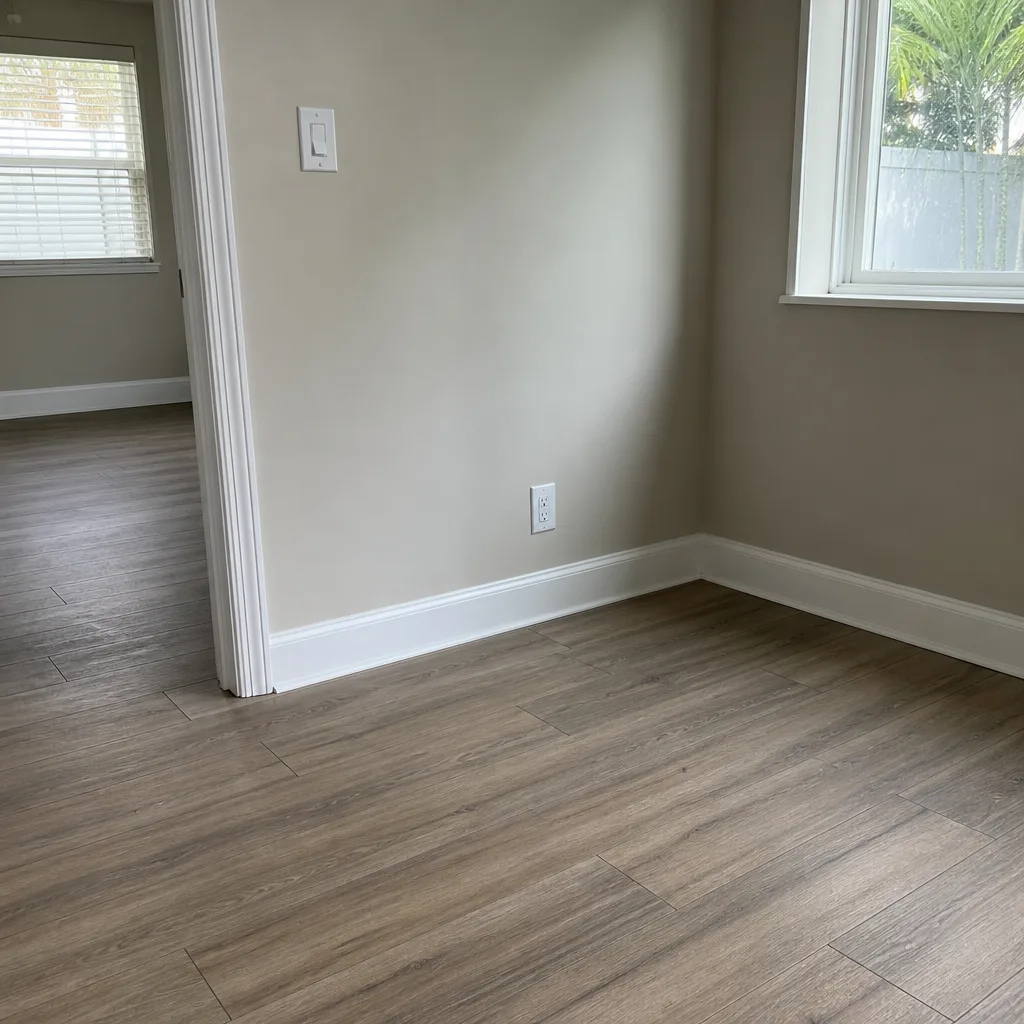 After
After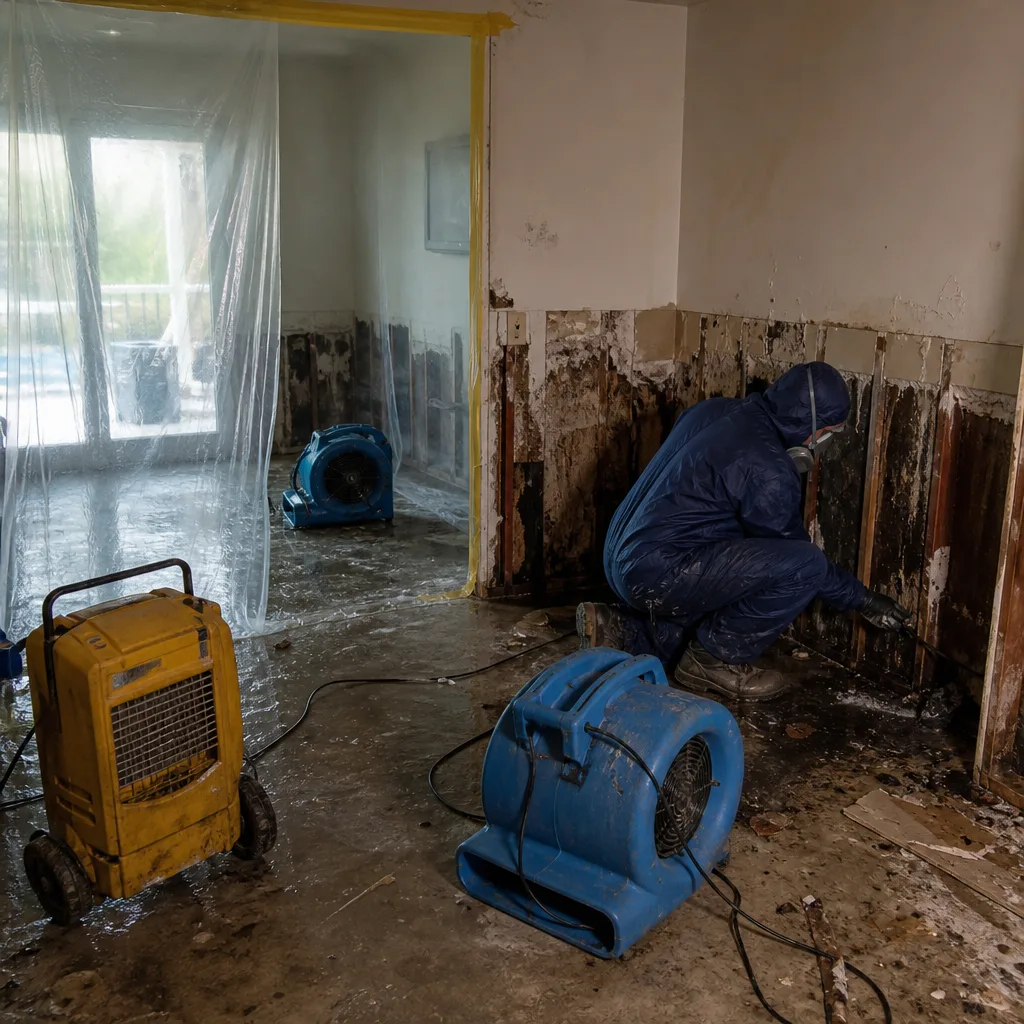 Before
 After
After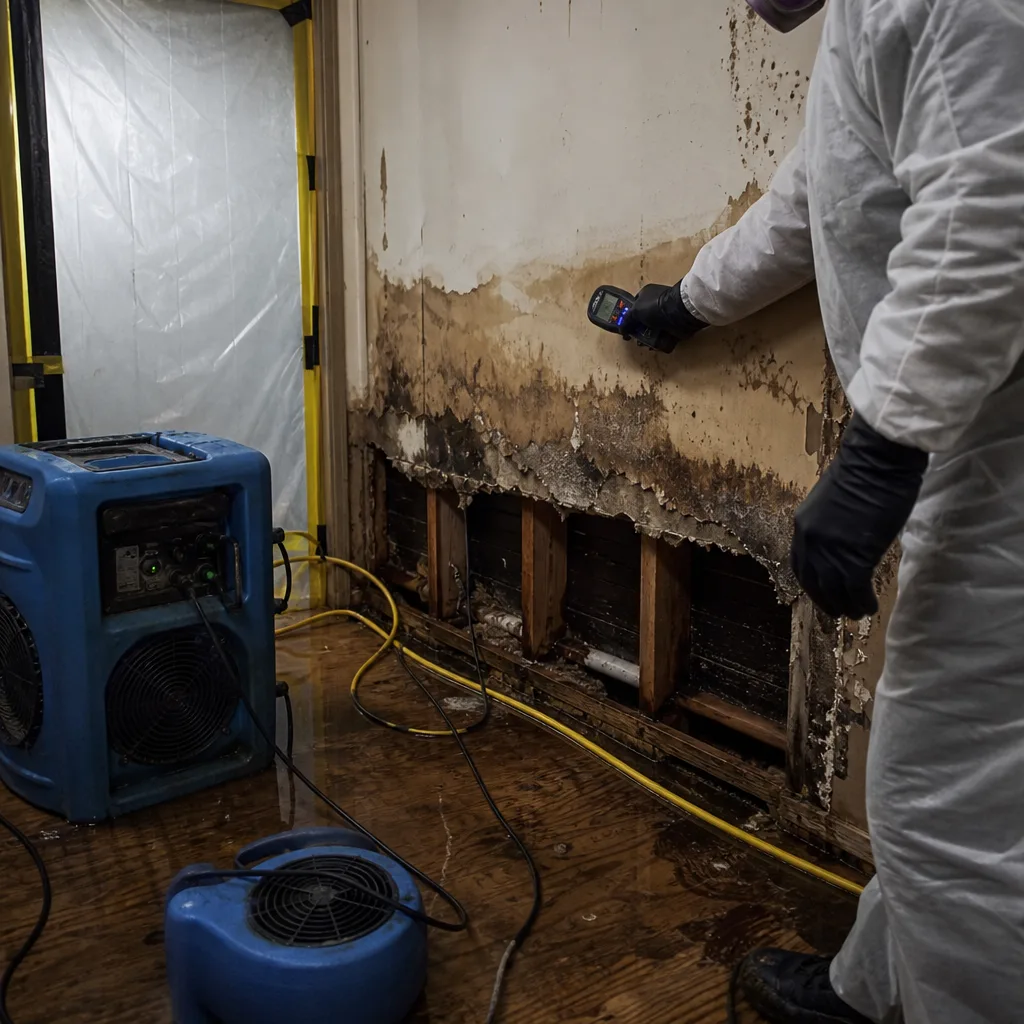 Before
 After
After