
Last updated October 16, 2026
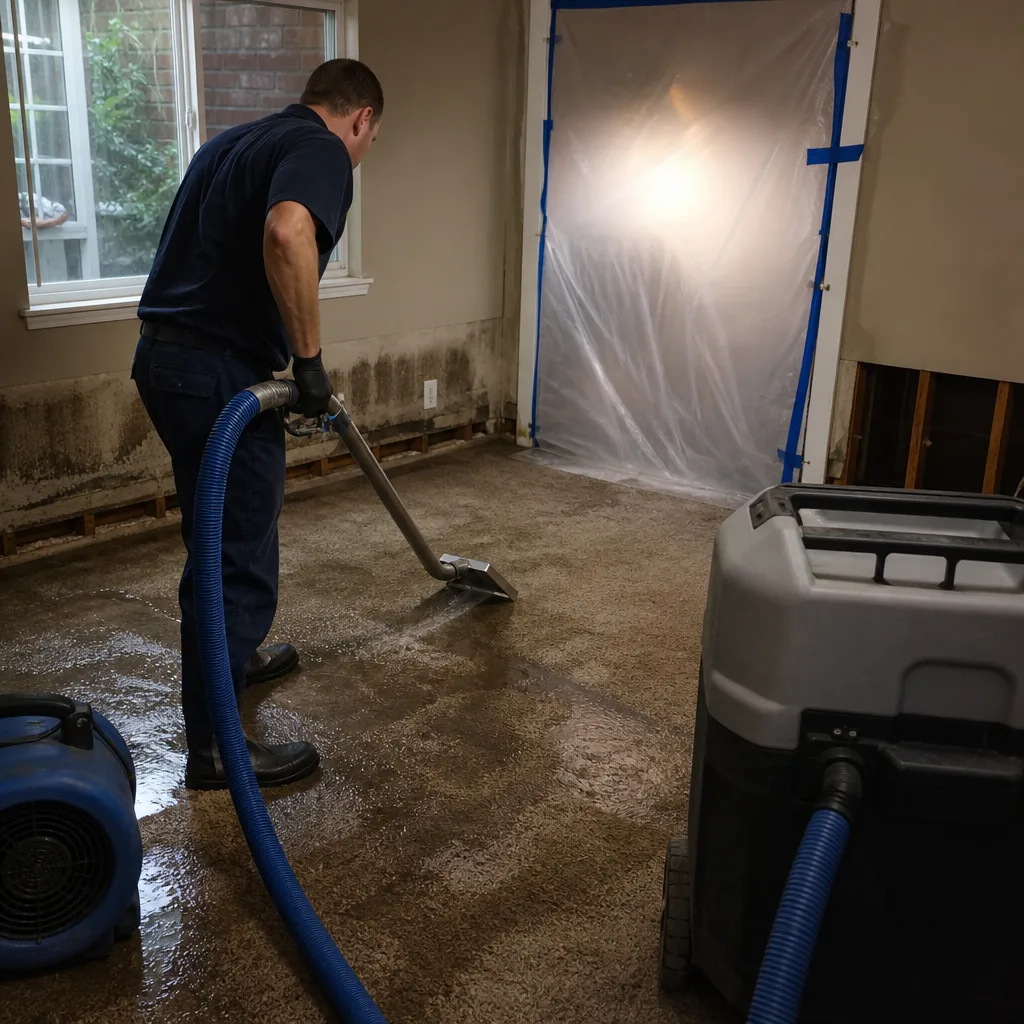
 Water damage drying
 Fire & smoke cleanup
 Mold remediation
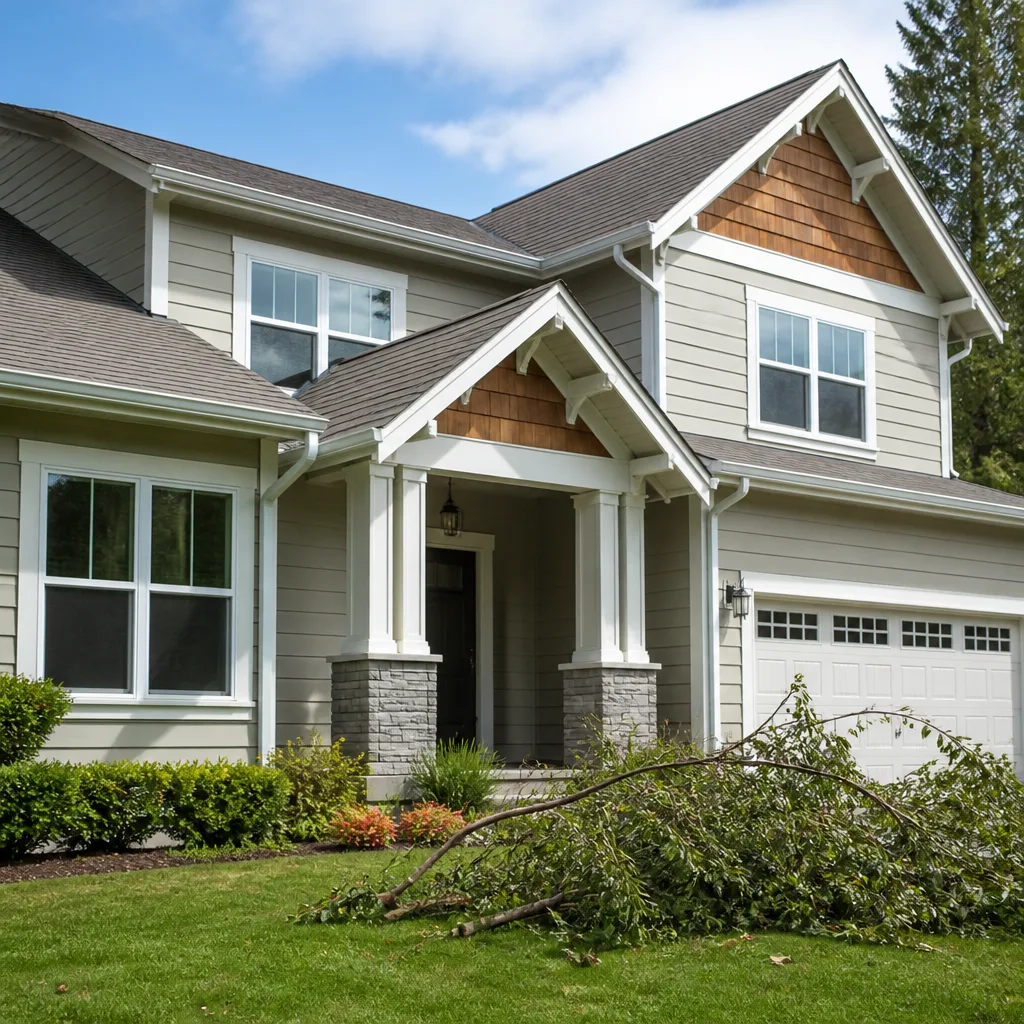 Storm response
 Sewage cleanup
 Reconstruction
Free visual inspection and a written scope of work before any mitigation begins - photos, moisture readings, and drying logs go in your claim file
The scope we write is the scope we bill. Anything new gets shown to you, in writing, before we touch it.
Get your free estimateSeasonal Damage Restoration Care for West Palm Beach: Year-Round Homeowner’s Guide
Most homeowners in West Palm Beach assume their biggest water damage risk arrives with a named storm. The claims data tells a different story. The majority of water damage claims here aren’t filed after hurricanes. They’re filed in May and October, the shoulder months when AC systems restart or shut down after extended use and neglected condensate lines finally back up into ceilings. This guide walks through the actual risk calendar for South Florida, month by month, so you can catch failures before they become restoration projects.
Restoration work we handle
Quick Answer
West Palm Beach has two damage seasons: hurricane season (June through November) and dry season (November through April). Each creates distinct failure modes, from AC condensate backups and salt air corrosion to storm-driven roof leaks and post-storm mold growth. The key is maintaining on South Florida’s actual risk calendar, with inspection work concentrated in the two transition windows: April-May and October-November.
Table of Contents
- The Real Risk Calendar: Why West Palm Beach Isn’t Like the Rest of the Country
- January to March: Dry Season Structural Stress
- April to May: The Pre-Season Inspection Window
- June to August: Hurricane Season Peak
- September to November: The Second Shoulder Season
- HVAC Condensate Lines: The 12-Month Problem
- The Post-Storm 24-Hour Inspection Sequence
- Common Mistakes to Avoid
- When to Call a Professional
- Frequently Asked Questions
- The Bottom Line
The Real Risk Calendar: Why West Palm Beach Isn’t Like the Rest of the Country
National home maintenance calendars tell you to clean gutters in October and check your furnace in November. In West Palm Beach, that advice is nearly useless. We don’t have a furnace season. We have a 12-month cooling season, a six-month storm season, and a dry season that creates its own set of structural stresses through thermal cycling and salt air corrosion.
The two transition windows matter most. In April and May, temperatures climb and AC systems that sat idle or ran intermittently through the winter start pulling full duty. Condensate lines that developed blockages over the dry months fail when the volume of water they carry suddenly triples. In October and November, systems run hard through the humid tail end of hurricane season, then cycle down. The same failure happens in reverse.
We’ve seen this pattern repeat for years in neighborhoods from El Cid to Ibis. The damage isn’t dramatic. It’s slow. A condensate line backs up behind a wall, saturates drywall for a week before anyone notices the stain, and by then you’re looking at water damage restoration rather than a simple drain cleaning. The homeowner who maintains on a national 12-month calendar misses both transition windows entirely.
January to March: Dry Season Structural Stress
Dry season in West Palm Beach runs roughly November through April. Rain is scarce. Humidity drops. But dry doesn’t mean safe. The dry season creates its own damage profile, and it’s driven by two forces: thermal cycling and salt air corrosion.
Thermal cycling is what happens when materials expand during warm afternoons and contract during cooler nights. Over three or four dry months, this repeated movement works on caulk joints, window seals, stucco hairline cracks, and roof flashing. A gap that opens in January lets water in during an April thunderstorm. By the time you see the ceiling stain, the leak has been waiting for months.
Salt air corrosion is a West Palm Beach constant, but it accelerates in dry season because there’s less rain to wash salt residue off exposed metal. Electrical panels, outdoor outlets, AC condenser coils, and roof fasteners all degrade faster here than they do 20 miles inland. We’ve pulled corroded electrical components out of exterior walls in homes throughout West Palm Beach that looked fine from the outside until they failed.
Dry Season Inspection List
- Walk the exterior monthly. Look for new cracks in stucco, gaps in caulk around windows and doors, and any sign of rust streaks on exterior walls or around the roofline.
- Check roof flashing and vents. Salt air corrodes exposed metal fasteners. Look for missing or rusted screws around roof vents, pipe boots, and edge flashing.
- Inspect exterior electrical. Look for corrosion on outdoor outlets, AC disconnects, and panel boxes. Discoloration or white powdery buildup is a sign moisture is getting in.
- Run the AC for 30 minutes once a week. Even in mild weather, cycling the system keeps seals lubricated and catches condensate blockages before they become ceiling damage.
- Check ceiling stains. Dry season is when existing leaks become visible because there’s no new rain to wash the evidence away. Any discoloration you spot now traces back to a leak that’s already happened.
What Actually Fails in Dry Season
In our experience, the most common dry season damage calls in West Palm Beach involve failed caulk joints around windows, corroded AC disconnects, and slow leaks at roof penetrations that went unnoticed during the wet season because the damage was hidden behind walls. The homeowner notices in January because the stain finally dried and darkened. The leak itself started in August.
This is also the season when we see plumbing issues surface. Lower humidity means soil around slab foundations contracts slightly. PVC supply lines and drain lines under older homes in neighborhoods like Flamingo Park and Southland Park shift just enough to crack. A pinhole leak behind a wall can run for weeks without visible evidence. When the humidity returns in late spring, mold grows faster, and the damage compounds.
April to May: The Pre-Season Inspection Window
April and May are the most important months on the West Palm Beach damage prevention calendar. This is the window before the first storm of hurricane season hits, and it’s when the majority of preventable water damage originates. The list below is what we walk our own clients through every year.
Pre-Season Checklist
- Flush every condensate line in the house. This is the single highest-value task on the list. South Florida’s 12-month cooling season means condensate lines run constantly, and blockages in these lines are the leading cause of ceiling damage we respond to in May and June. Use a wet/dry vac on the line’s exit point outside, or have an HVAC tech do it during annual maintenance.
- Inspect the roof from the ground with binoculars. Look for lifted shingles, missing tiles, gaps around vents, and any debris accumulation. Pay attention to the roof’s southern exposure, which takes the most sun and breaks down fastest.
- Clear gutters and downspouts. Even if you cleaned them in the fall, pollen and debris from spring blooming trees in West Palm Beach clog gutters quickly. Test downspouts with a hose to confirm water flows away from the foundation.
- Check window and door seals. Run a hand around every window and exterior door frame. Gaps let wind-driven rain enter during storms, and the damage is exponential once water gets behind stucco.
- Test the sump pump if you have one. Homes in lower-lying areas of West Palm Beach, particularly those near the Intracoastal, rely on sump pumps during heavy rain events. Pour a bucket of water into the pit and confirm the pump kicks on and drains properly.
- Document your home’s current condition. Take dated photos of every room, the roof, the exterior, and any existing damage. If a storm does cause damage, this documentation supports your insurance claim and prevents disputes about pre-existing conditions.
- Review your insurance policy. Know your hurricane deductible, your flood coverage status, and what your policy says about water damage from wind-driven rain versus rising water. These are different coverages, and the distinction matters come claim time.
This is also the right time to address any issue you noticed during dry season inspections. The caulk joint that looked marginal in January will fail under the first sustained rain of June. Fixing it in May costs a tube of sealant. Fixing the water damage it causes in July costs thousands.
June to August: Hurricane Season Peak
Hurricane season officially runs June 1 through November 30, but the peak threat for West Palm Beach is concentrated between mid-August and late October. This is when water temperatures in the Atlantic fuel the strongest storms, and it’s when the majority of storm-related damage occurs.
During these months, the maintenance posture shifts from prevention to readiness. You aren’t preventing storms. You’re making sure your home can survive them and that you can respond quickly when damage happens.
What to Do During Peak Season
- Keep gutters clear. A single heavy thunderstorm can dump enough rain to overwhelm clogged gutters and send water cascading down exterior walls. Check them after every major rain event.
- Monitor the condensate line weekly. Humidity is at its highest, and your AC is producing more water than at any other time of year. Look for pooling water near the interior unit or visible moisture around the line’s exit point outside.
- Trim trees and vegetation. Overhanging branches become projectiles in hurricane-force winds. Remove anything that could impact the roof or windows.
- Know where your water shut-off valve is. If a pipe bursts during a storm, the 30 seconds it takes to find the valve is the difference between a cleanup and a full water damage restoration project.
- Keep a storm kit accessible. Tarps, duct tape, a battery-powered pump, and plastic sheeting can make a meaningful difference in limiting damage during the gap between the storm passing and professional help arriving. A tarp over a roof breach can prevent thousands in interior damage while you wait for a repair crew.
The Storm Damage Pattern We See Most
In West Palm Beach, most storm damage isn’t the catastrophic structural failure you see on the news. It’s incremental. Wind-driven rain finds a gap in flashing and saturates an attic. A branch punctures a screen enclosure and breaks a window, letting rain into a bedroom. A power surge fries an appliance, causing a slow leak that runs behind cabinets for days before anyone notices.
The homes that handle storms best are the ones whose owners did the April-May pre-season work. The homes that suffer most are the ones where small vulnerabilities existed before the storm and became entry points for water during it.
September to November: The Second Shoulder Season
Most homeowners treat November as the end of the season and relax. That’s a mistake. September through November is when the second wave of damage claims hits West Palm Beach, and this one is driven by two factors: the tail end of hurricane season and the beginning of the AC cycling-down period.
October in particular is dangerous. Storms that form late in the season tend to be moisture-heavy, even when they aren’t strong hurricanes. A weak tropical system can dump more rain than a Category 3. We’ve seen October produce more water intrusion calls in West Palm Beach than any other single month.
At the same time, AC systems start cycling down as temperatures moderate. The condensate line that ran fine all summer now alternates between wet and dry periods. Algae and mold that grew inside the line during the wet months dries and hardens, creating blockages. When the next heat wave hits in November or December, the line backs up and water appears in ceilings.
Post-Season Checklist
- Inspect the entire exterior after the last major storm. Even if you didn’t notice damage during the season, a final walk-through catches issues before they sit unaddressed through the dry months.
- Flush the condensate line again. The October-November flush is just as important as the April one. This catches the blockages that formed during peak cooling season.
- Check for salt buildup on exterior metal. After a full season of salt-laden wind, exterior electrical components and metal roof fasteners need inspection. Clean visible corrosion and replace anything that’s compromised.
- Document any storm damage for insurance. If you sustained any damage during the season, file your claim before the year ends. Waiting until spring means arguing about whether the damage predates your policy term.
HVAC Condensate Lines: The 12-Month Problem
In West Palm Beach, your AC’s condensate line is the single most likely source of water damage in your home. That’s a strong statement, but it matches what we see in the field. The line carries moisture from your air handler to a drain or the exterior of your home. In South Florida’s climate, that line runs virtually year-round. When it clogs, the water backs up into the unit, overflows the drain pan, and soaks whatever is below: ceilings, walls, cabinetry, flooring.
Why They Clog
Condensate lines clog because the dark, wet environment inside them is perfect for algae and mold growth. Over months of continuous operation, the growth accumulates until the line narrows. Eventually, a chunk breaks loose and blocks the line completely. The result is a swimming pool in your ceiling that you don’t discover until the stain appears.
The Maintenance Schedule That Works
- Flush the line every 90 days. Use a wet/dry vacuum on the exterior exit point to pull debris out, or have an HVAC technician perform the service during quarterly maintenance visits. Some homeowners pour vinegar or a cleaning solution into the line monthly as a preventive.
- Install a float switch if you don’t have one. A float switch detects when water in the drain pan reaches a certain level and shuts the system off before it overflows. It’s a $100 to $200 upgrade that can prevent thousands in ceiling damage.
- Replace the drain pan if it’s rusted or cracked. Older systems in West Palm Beach homes often have original drain pans that have corroded after years of exposure to constant moisture. A cracked pan leaks even when the line is clear.
- Consider a secondary drain pan. For homes with air handlers in attics or above finished spaces, a secondary pan with its own drain line provides redundancy if the primary pan overflows.
This is the maintenance item we emphasize most with West Palm Beach homeowners because the failure mode is predictable, the damage is expensive, and the prevention is simple. The person who flushes their line every 90 days almost never calls us for a condensate overflow. The person who doesn’t is on a first-name basis with our dispatch team by year three.
If you do experience a condensate overflow, the response matters. Extract standing water immediately, remove saturated materials, and dry the area thoroughly. It takes 24 to 48 hours for mold to begin growing in a wet, warm environment. A quick response keeps a cleaning from becoming a mold remediation project.
The Post-Storm 24-Hour Inspection Sequence
After a major storm passes West Palm Beach, the instinct is to survey the damage immediately. That’s right, but the sequence matters. What you do in the first 24 hours determines whether you’re dealing with a water extraction or a full mold remediation. Here’s the order we recommend, based on what we’ve learned responding to storm damage across West Palm Beach for two decades.
Step 1: Safety Check First
Before anything else, confirm there are no downed power lines, gas leaks, or structural hazards. If you smell gas, leave and call the utility immediately. If you see exposed wiring or a sagging ceiling, don’t enter that area. These are the situations where you call a professional before doing anything else.
Step 2: Document Everything
Take photos of every affected area before you move anything. Insurance claims depend on documentation, and the photos you take in the first hour are the best evidence you’ll have. Walk the exterior first, then the interior. Photograph the roof, the gutters, every room with visible damage, and anything that looks even slightly off.
Step 3: Stop Active Water Intrusion
If water is still entering the home, stop it by any temporary means available. Tarp the roof breach. Close the window. Place a bucket under the drip. Active intrusion is the difference between a contained cleanup and a spreading disaster. Every hour water continues to enter compounds the damage.
Step 4: Extract Standing Water
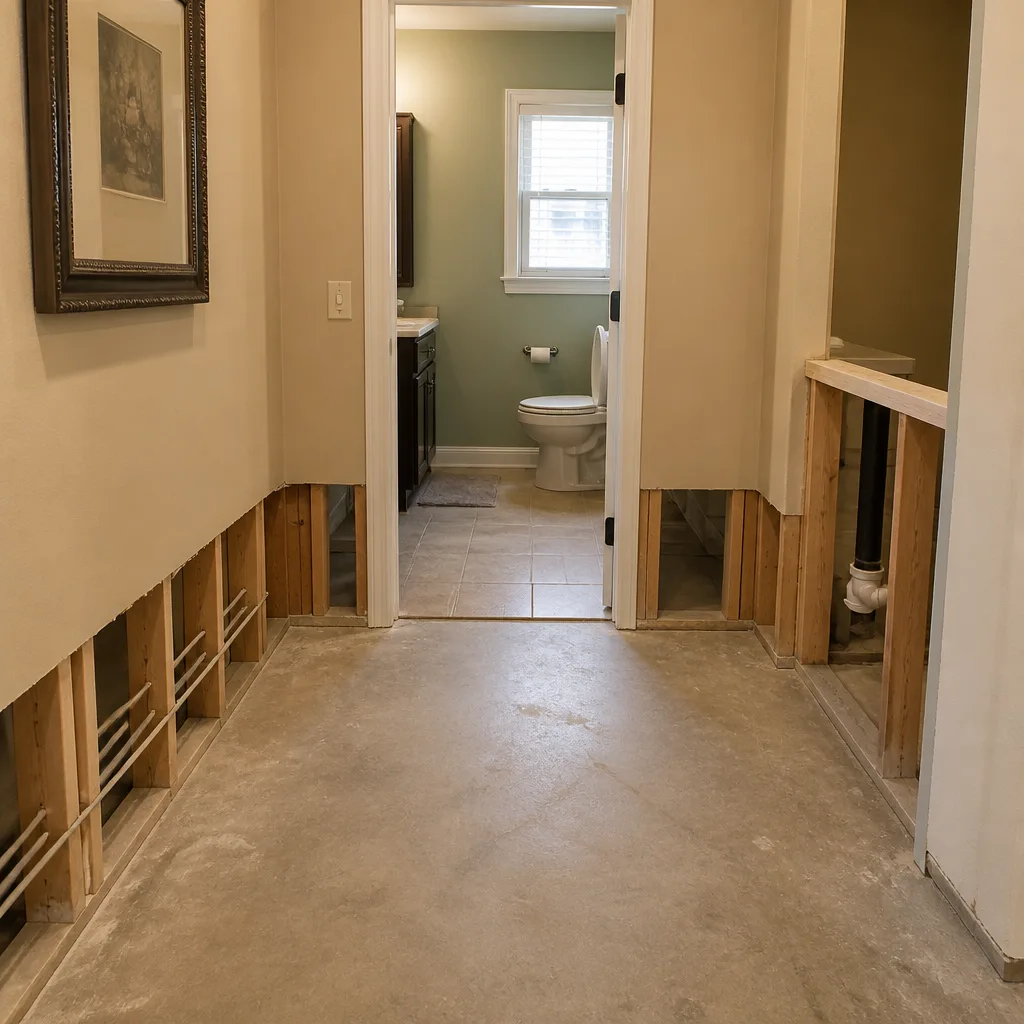
Remove standing water with whatever you have: wet/dry vacuum, mops, towels. The goal is to get moisture out of building materials before it saturates deeper layers. Carpet pad, drywall, and insulation all absorb water quickly and release it slowly. The faster you extract, the less material you’ll need to replace.
Step 5: Begin Drying
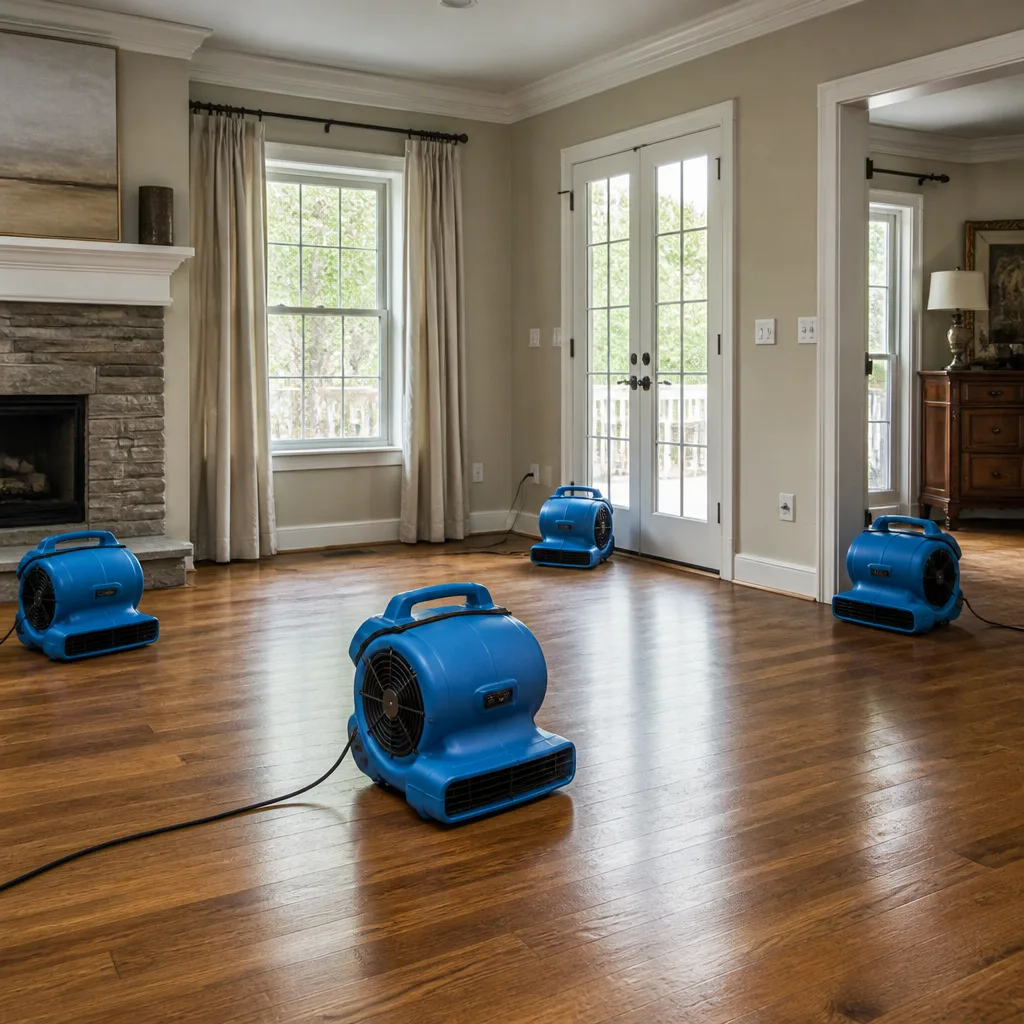
Set up fans, open windows if the outside humidity is lower than inside, and run a dehumidifier if you have one. Professional restoration companies use equipment from manufacturers like Dri-Eaz and Phoenix for this work, but household equipment is better than nothing in the first 24 hours.
Step 6: Call Your Insurance Company
Notify your insurer as soon as practical. The sooner the claim is filed, the sooner an adjuster is assigned. Document every conversation: who you spoke with, when, and what they said. If you’re using a restoration company, they should format their findings to support your claim, which is part of the standard we work to on every job.
The clock matters here more than anywhere else in this guide. Mold growth begins within 24 to 48 hours of water intrusion in Florida’s climate. The post-storm inspection sequence isn’t about being thorough. It’s about being fast.
Common Mistakes to Avoid
- Following a national maintenance calendar. West Palm Beach’s climate doesn’t align with the four-season maintenance schedule most national publications promote. If you’re cleaning gutters in October and checking your furnace in November, you’re optimizing for a house in Ohio. Maintain on the two-season South Florida calendar instead.
- Ignoring the condensate line until water appears. By the time you see the ceiling stain, the line has been clogged for days or weeks and the damage is already done. A 90-day flush routine prevents the problem entirely.
- Waiting until a storm is forecast to do pre-season maintenance. Once a hurricane is tracking toward West Palm Beach, contractors and suppliers are overwhelmed. The pre-season checklist needs to happen in April and May, when you have time and resources to address what you find.
- Assuming flood insurance covers everything. Standard flood insurance covers rising water. It does not cover wind-driven rain that enters through a roof breach. Hurricane deductibles are separate from standard deductibles. Know what your policy says before you need it.
- Delaying the post-storm inspection. Every hour that passes after water intrusion increases the scope of the damage. Mold growth starts within a day or two. Materials that were salvageable in the first 24 hours become replacement items by day three.
- Attempting DIY mold removal on anything beyond surface mildew. Mold that has penetrated drywall or insulation requires professional mold remediation. Improper removal spreads spores throughout the home and can make the problem significantly worse. This is a job for trained professionals with proper containment equipment.
- Skipping the October condensate flush. Most homeowners think about their AC in spring. But the October flush is equally important because it clears the blockages that formed during peak season before they harden during the dry months.
When to Call a Professional
Some issues are worth fixing yourself. Others aren’t. Call a professional when water has penetrated building materials beyond surface level, when you see visible mold growth larger than a few square inches, when the water source is unclear, or when the damage involves electrical systems or structural components. Fire damage always requires professional assessment, even if it looks minor on the surface, because smoke penetrates materials and leaves residues that continue degrading surfaces long after the fire is out.
Keegan Restoration West Palm Beach offers free estimates in West Palm Beach. Our crews work to The Garrison Standard: the price goes in writing before any work starts, technicians are background-checked and uniformed, equipment is professional-grade, and every repair is backed by the 365-Day Done Right Promise, a written one-year guarantee. Call (728) 220-0713 if you’re dealing with water, fire, or mold damage, or if you want a professional assessment of an issue you found during your seasonal inspection.
Frequently Asked Questions
Every 90 days. South Florida’s 12-month cooling season means your condensate line runs constantly, and the warm, wet environment inside it breeds algae and mold that eventually clog the line. Quarterly flushing prevents the ceiling damage that results from overflow. Call (728) 220-0713 for a professional assessment if you’ve already had an overflow.
Flushing your condensate line and inspecting your roof flashing. These two items address the most common sources of preventable water damage we see in West Palm Beach. The condensate line fails from internal blockages regardless of storm activity, and roof flashing failures let wind-driven rain into your attic during storms.
It depends on the source of the water and your policy. Wind-driven rain entering through storm damage is typically covered under your hurricane coverage, subject to your hurricane deductible. Rising water from flooding requires separate flood insurance. The distinction matters, and it’s one of the reasons we format every job’s documentation to support your specific insurance claim. Contact your insurer directly for the specifics of your policy.
Mold growth can begin within 24 to 48 hours of water intrusion in West Palm Beach’s warm, humid climate. This is why the post-storm inspection sequence matters so much. Materials that are still salvageable in the first day often become replacement items by day three. If you’ve had water intrusion and can’t dry the area quickly, professional mold remediation is worth considering before the problem compounds.
Yes. Storm damage to roofs in West Palm Beach is often incremental and invisible from the ground. A lifted shingle or a small gap in flashing might not leak immediately, but it becomes an entry point for wind-driven rain during the next storm. Post-storm inspections catch these vulnerabilities before they become interior damage. A professional roof inspection is worth the cost after any storm that produces sustained winds over 50 mph.
Water damage restoration addresses the immediate effects of water intrusion: extraction, drying, and repair of water-damaged materials. Mold remediation addresses mold growth, which is often a secondary result of unresolved water damage. The two services overlap, but remediation involves containment, removal of contaminated materials, and treatment to prevent regrowth. If you’ve had water damage and mold appears, you need remediation, not just restoration. Call (728) 220-0713 for a free estimate on either service.
The Bottom Line
West Palm Beach homeowners who maintain on a national calendar are optimizing for someone else’s climate. Our risk profile is defined by a 12-month cooling season, a six-month storm season, and a dry season that creates its own structural stresses. The answer is a maintenance rhythm built around the two transition windows: April-May and October-November. Do the pre-season checklist in spring. Flush the condensate line every 90 days. Inspect the exterior monthly during dry season. Walk the post-storm sequence within 24 hours of every major weather event. The work is simple. The discipline is what protects your home. And if damage does occur, Keegan Restoration West Palm Beach home services are available 24/7 at (728) 220-0713, with written pricing before any work starts and a full-year guarantee on every repair.
Written by Shane Pruitt, Owner at Keegan Restoration West Palm Beach, serving West Palm Beach since 2005.
See the difference
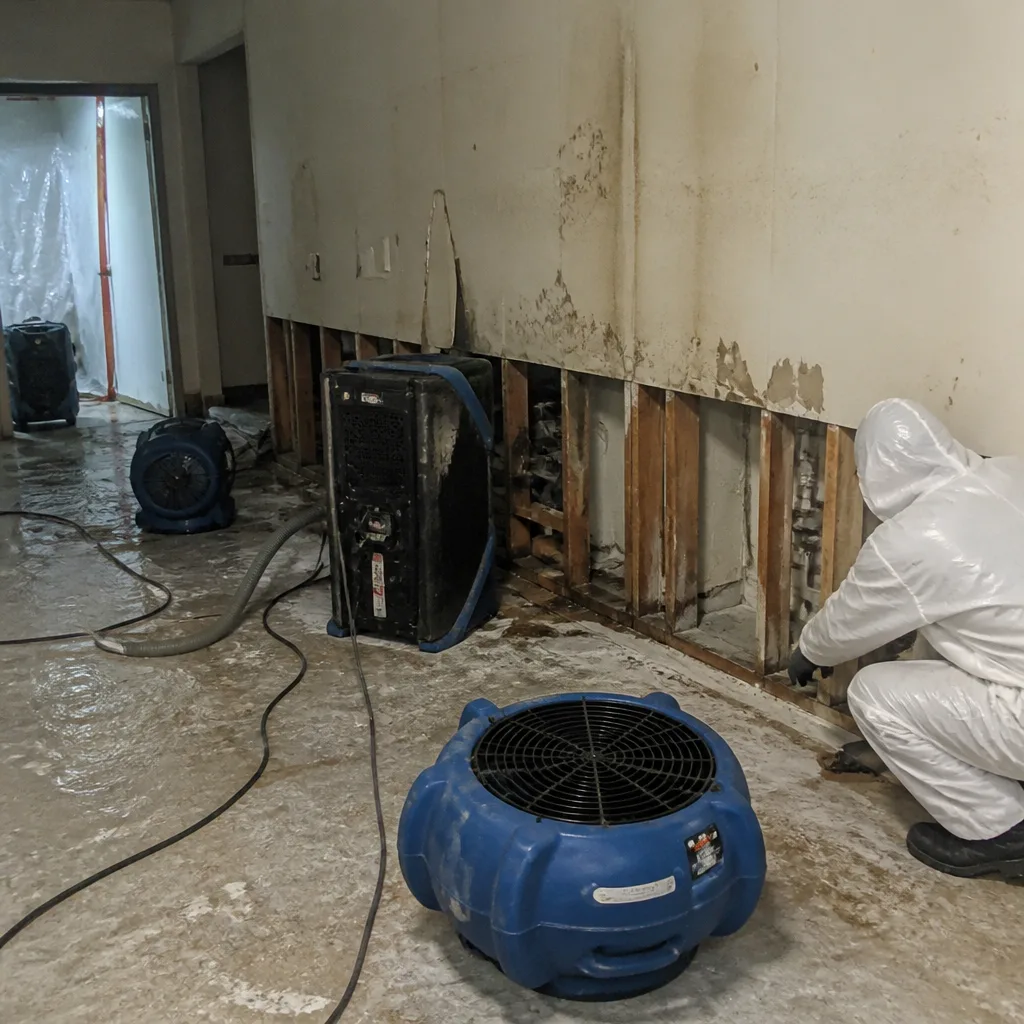 Before
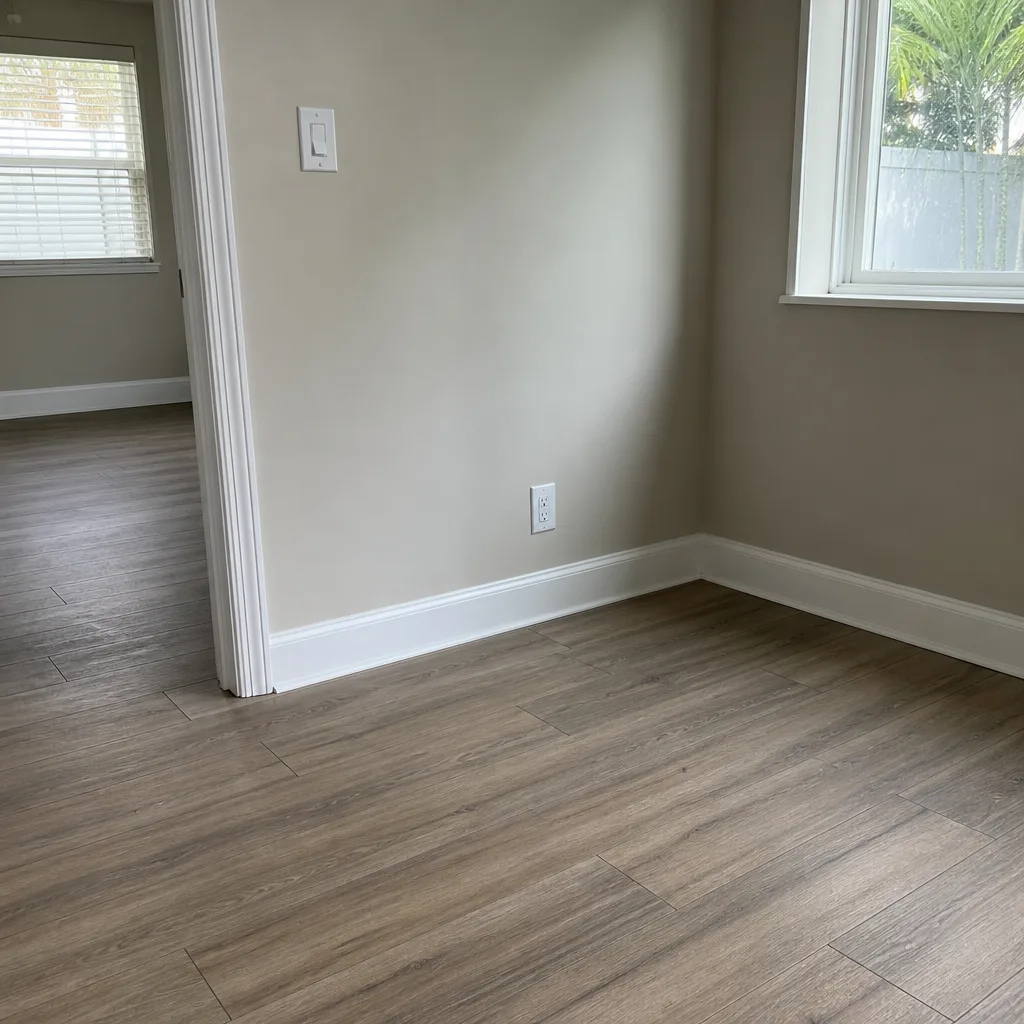 After
After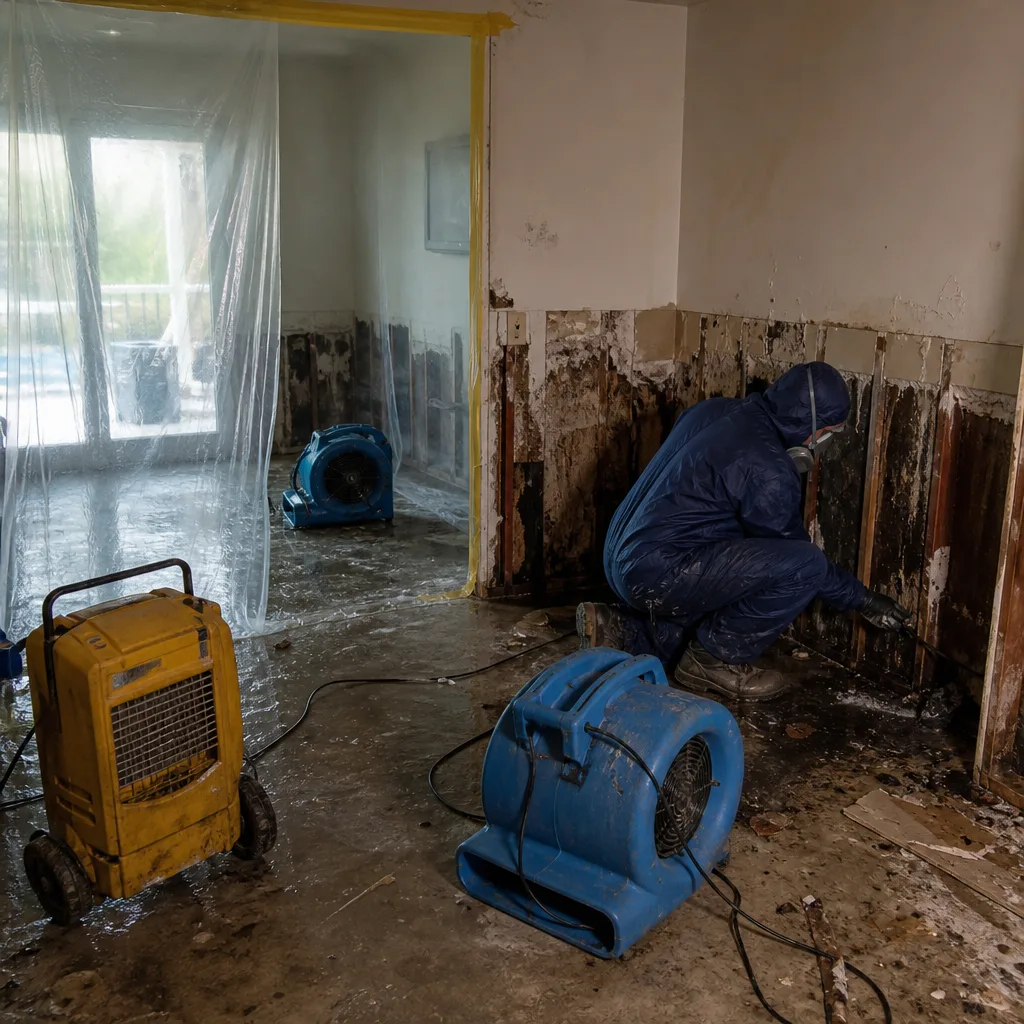 Before
 After
After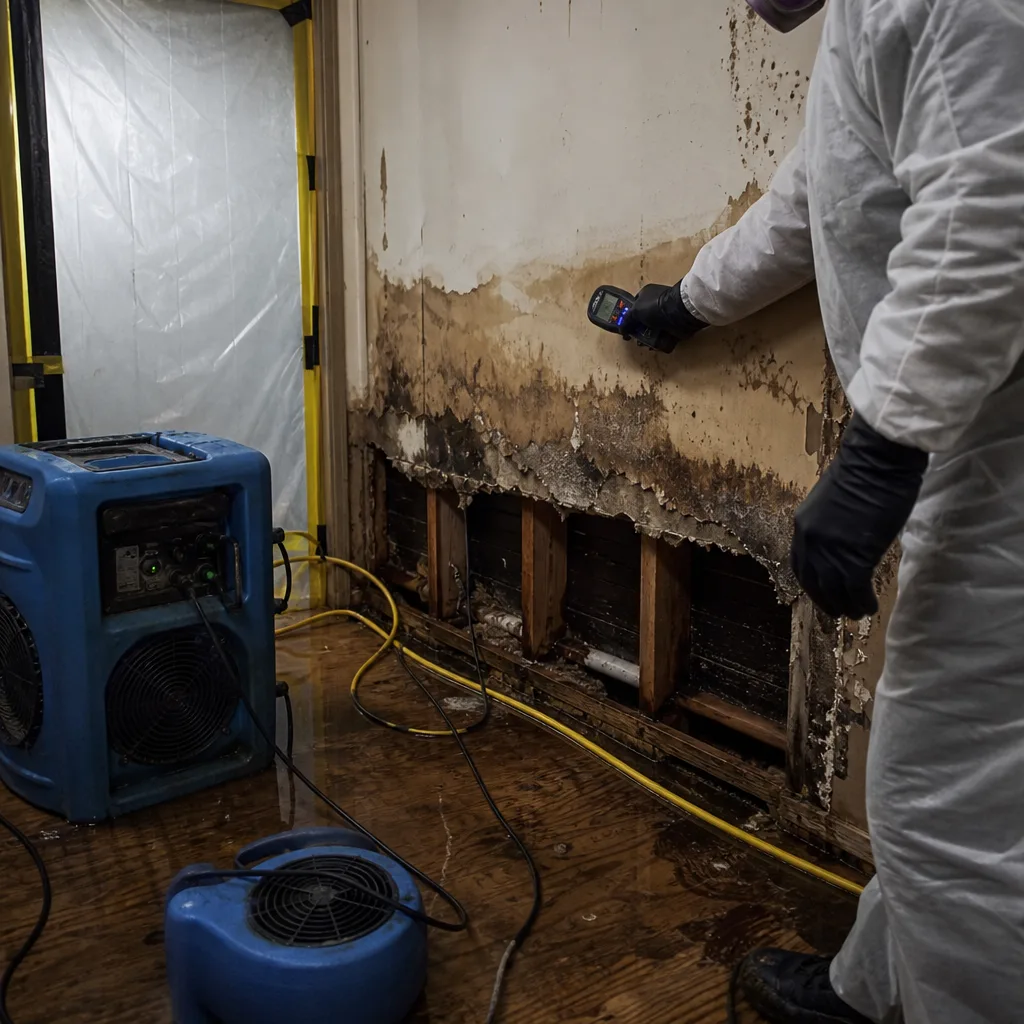 Before
 After
After