
Last updated October 16, 2026
 Mold remediation
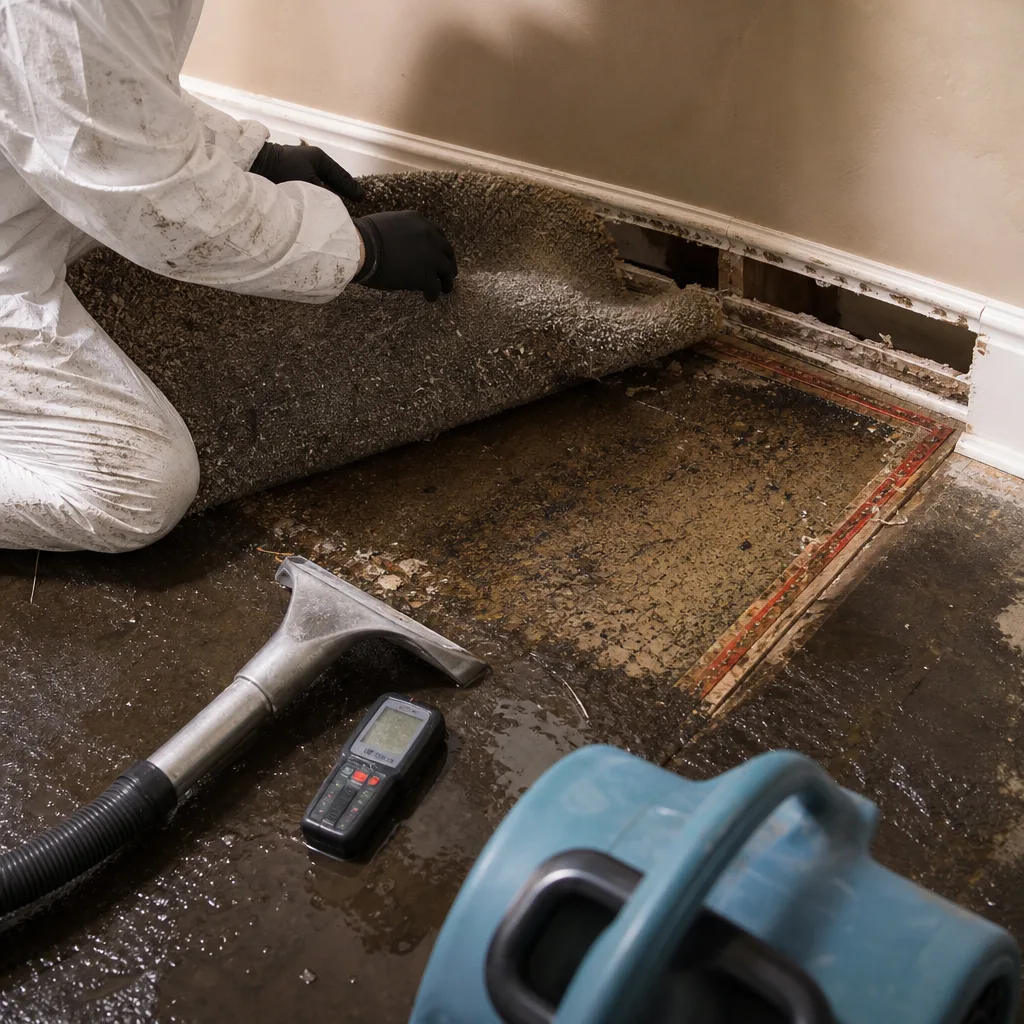
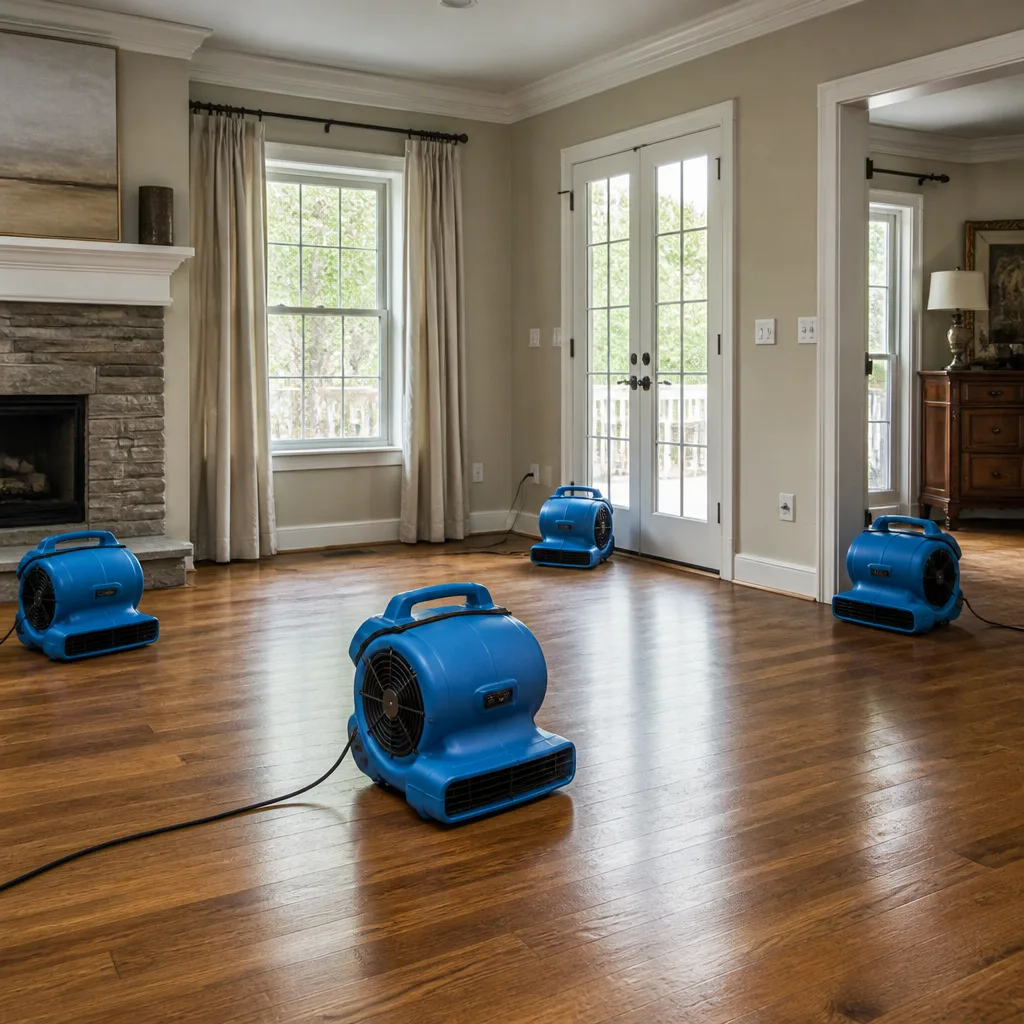 Water damage drying
 Fire & smoke cleanup
 Storm response
 Sewage cleanup
 Reconstruction
Free visual inspection and a written scope of work before any mitigation begins - photos, moisture readings, and drying logs go in your claim file
The scope we write is the scope we bill. Anything new gets shown to you, in writing, before we touch it.
Get your free estimateMold Remediation Maintenance Checklist for West Palm Beach Homeowners
EPA clearance testing passes a remediated space, but it measures a single day. West Palm Beach’s average 76% relative humidity means a technically clean room can host new mold colonies within six weeks if the underlying moisture source isn’t addressed and monitored. Remediation removes what’s there; maintenance prevents what comes next. This guide gives you the exact post-remediation routine we’ve used with West Palm Beach homeowners to keep clearance test results clean month after month, season after season, and pairs well with our Seasonal Damage Restoration Care for West Palm Beach: Year-Round Homeowner’s Guide. You’ll learn the specific humidity thresholds that matter by room, what to inspect monthly versus quarterly, how to document everything for a warranty claim, and when a recurrence means calling back the crew that did the original work.
This guide is built from field experience in West Palm Beach and the surrounding communities, where salt air, afternoon thunderstorms, and concrete-block construction create a mold profile unlike anywhere else in the country.
Restoration work we handle
Quick Answer
The core of a mold remediation maintenance checklist for West Palm Beach is monitoring indoor relative humidity below 60%, inspecting HVAC drain pans and coils every 90 days, checking remediated surfaces for moisture or discoloration monthly, and documenting every reading and photo in a maintenance log. If humidity stays controlled and water sources stay eliminated, the remediated area should remain clean. If either fails, you catch it before visible mold returns.
Table of Contents
- Why Remediation Alone Is Not Enough in West Palm Beach
- Humidity Thresholds by Room: The Numbers That Matter
- Monthly Maintenance Checklist
- Quarterly Maintenance Checklist
- Annual Maintenance Checklist
- HVAC Maintenance Tasks That Protect Remediated Spaces
- How to Inspect Remediated Drywall, Insulation, and Framing Without Opening Walls
- What to Document and Photograph for a Warranty Claim
- Common Mistakes to Avoid
- When to Call a Professional
- Frequently Asked Questions
- The Bottom Line
Why Remediation Alone Is Not Enough in West Palm Beach
Mold Remediation services are a snapshot. It removes the existing colony, cleans the affected surfaces, and restores the area to a state where a clearance test reads clean. But a clearance test is a point-in-time measurement. It does not predict what happens when the next summer thunderstorm rolls through, or when the trade winds shift and outdoor humidity climbs past 85% for a week straight.
West Palm Beach sits in a climate zone where the outdoor air is a constant moisture source. During the wet season, which runs roughly May through October, outdoor dew points regularly exceed 75°F. That means any air that enters the home through a door, window, or small gap in the building envelope carries moisture with it. If indoor surfaces dip below the dew point, condensation forms. Condensation is water. Water is what mold needs.
Here’s the pattern we see repeatedly in West Palm Beach homes: a homeowner completes remediation, gets a clean clearance test, and six to ten weeks later notices a musty smell near the same baseboard or in the same closet. The mold didn’t “come back.” It was new growth, fed by a moisture source that never went away. The original remediation crew did their job. The maintenance routine is what failed.
A few mechanical and structural realities in South Florida make recurrence a near certainty without a maintenance discipline:
- Air conditioning cycles remove humidity only while running. When the system short-cycles or is oversized, it cools air without running long enough to pull moisture out. The room feels cool but stays damp.
- Concrete block construction retains cool surfaces. Interior walls against block or slab can sit a few degrees below the room air temperature, inviting condensation during high-humidity stretches.
- Drain pans and condensate lines are mold incubators. Standing water in an HVAC drain pan is a primary source of airborne spores that recolonize remediated rooms.
- Small leaks go unnoticed for weeks. A pinhole plumbing leak behind a vanity or a roof flashing failure near a patio door can saturate building materials long before visible staining appears.
So the maintenance checklist isn’t about scrubbing surfaces. It’s about controlling moisture, ventilation, and the mechanical systems that manage them. Do those three things, and a successful remediation tends to stay successful. Ignore them, and the conditions that caused the original outbreak rebuild quietly in the background.
Our Mold Remediation in West Palm Beach service includes a post-remediation walkthrough where we identify the moisture sources relevant to each home. If you’ve already completed remediation and want to know what to watch, the checklist below is the maintenance plan we recommend.
Humidity Thresholds by Room: The Numbers That Matter
Indoor relative humidity above 60% is the threshold where mold can begin growing on susceptible building materials, according to industry guidance from organizations including IICRC. But in West Palm Beach, you want to run tighter than that. We advise homeowners to keep living spaces between 45% and 55% relative humidity, with anything above 58% treated as a warning sign requiring same-day action.
Here are the thresholds by room type, based on how each space behaves in a South Florida home:
- Bedrooms and living areas: Hold 45% to 55%. These are where you spend the most time, and they should be the easiest to control with a properly running central AC. If a bedroom reads above 60% while the AC is running, the airflow to that room is likely insufficient or the unit is not dehumidifying properly.
- Bathrooms: Spikes to 70% or higher during and immediately after showers are normal. The key is recovery. Within 60 to 90 minutes after the shower ends and the exhaust fan runs, humidity should fall back below 60%. If it doesn’t, the exhaust fan isn’t pulling enough air, or the vent duct is blocked or disconnected.
- Kitchens: Cooking and dishwashing create short humidity spikes. The same recovery rule applies: back below 60% within two hours. Range hoods that vent to the exterior matter more than recirculating units.
- Closets: These are problem zones in West Palm Beach because they get low airflow and often sit on exterior walls. Closet humidity should be checked monthly and kept below 60%. Leave closet doors cracked open during high-humidity months, especially walk-in closets against exterior block walls.
- Laundry rooms: Dryer exhaust that vents into the room or the attic is a serious moisture source. Humidity should match the rest of the house, and the dryer vent should be inspected every 90 days for lint buildup and proper exterior exhaust termination.
- Attics: Attic humidity is often ignored, but high attic humidity drives mold on the back of drywall and on roof sheathing. Keep attic relative humidity below 65%. Ridge vents, soffit vents, or powered ventilation may be needed. Many West Palm Beach homes have inadequate attic ventilation for their roof geometry.
- Garages: Garages are semi-conditioned at best. If your garage shares a wall or ceiling with living space, monitor that adjoining wall for moisture. A garage that stays damp will migrate moisture through shared surfaces.
A reliable digital hygrometer costs $15 to $30 and should be placed in each major room, especially rooms on the first floor or against exterior block. Check the readings at the same time of day, once per week during the wet season. Record the numbers. If any room climbs above 58% and stays there for more than a day, identify the source before visible mold has a chance to develop.
If a room has already been remediated, a sustained reading above 58% is a signal that the moisture driver was not fully resolved. That’s when our team at Keegan Restoration West Palm Beach will return with moisture meters and thermal imaging to find what’s feeding the humidity. The Keegan Restoration West Palm Beach home page explains more about how we inspect moisture sources.
Monthly Maintenance Checklist
The monthly checks are the early warning system. Each one takes under ten minutes, and together they catch the small changes that become big mold problems. Do these on the first weekend of each month, and write the results in a simple notebook or a note on your phone.
- Read every hygrometer at the same time of day. Record the number. Any room above 58% gets a second check the following day, and if it’s still high, start looking for causes that same week.
- Inspect all remediated surfaces under bright light. Look for any change in color, texture, or sheen. Watch for small bubbles in paint, slight discoloration at baseboard seams, or a dull chalky film on wall surfaces. These are early moisture markers.
- Run your hand along the base of exterior walls. You’re feeling for dampness, coolness, or a slight greasy feel, which can indicate condensation or wicking from the slab. In West Palm Beach, first-floor baseboards against exterior walls are the most common location for recurrence.
- Check under sinks and around toilets. Use a paper towel to wipe along supply lines, shutoff valves, and the base of the toilet. Any moisture, even a faint sheen, is a lead worth tracking. A slow leak inside a vanity cabinet can feed mold in a wall cavity for weeks before you smell it.
- Inspect window sills and door thresholds. During storm season, wind-driven rain penetrates around window frames and door seals. Look for water staining, warping, or peeling paint along the sill and the lower trim.
- Smell each room deliberately. Walk in, close the door behind you, and breathe through your nose. A musty, earthy odor is often detectable before anything visible appears. Pay special attention to closets and rooms that adjoin bathrooms or the garage.
- Check the HVAC air handler for visible condensation. If you can safely access the air handler closet, look at the unit’s exterior for sweating, and check the floor beneath it for water marks. Persistent condensation on the cabinet means the drain line is partially blocked or the unit’s insulation is failing.
The monthly routine is about noticing change. You’re not necessarily fixing anything; you’re detecting. When detection happens early, the fix is usually small. A tightened supply line, a cleaned drain line, a repaired door seal. When detection happens late, the fix is another remediation.
Quarterly Maintenance Checklist
Every 90 days, move beyond surface checks into the systems and hidden spaces that drive mold growth in West Palm Beach homes. These tasks can be done by most homeowners, though a few require comfortable access to attics or mechanical areas.
- Service the HVAC drain line and drain pan. The condensate drain is the single most common overlooked moisture source in Florida homes. Flush the drain line with a cup of white vinegar or a commercial condensate line cleaner, then confirm water flows freely. Check the drain pan beneath the air handler for standing water, sediment, or biofilm growth.
- Replace or clean the HVAC air filter. A clogged filter reduces airflow, which reduces dehumidification. In West Palm Beach, a typical 1-inch filter should be changed every 30 to 90 days depending on pets, occupants, and dust load. If you hold a filter up to a light and can’t see through it, it’s overdue.
- Inspect dryer vent terminations. Go outside and confirm the dryer vent flap opens when the dryer runs and closes when it doesn’t. Remove lint from the exterior termination. This is also a quarterly check on any bathroom exhaust fan terminations you can safely reach from outside.
- Check toilet seals for rocking or staining. A toilet that rocks slightly is a broken wax seal waiting to leak. Look for any dark staining at the base grout line, and press gently on each side of the toilet to confirm it sits solid.
- Look inside cabinet bases under kitchen and bathroom sinks. Pull out everything. Check the cabinet floor and back wall for water staining, swollen particle board, or a smell that doesn’t belong. Shine a flashlight into the corners.
- Inspect the water heater area and washing machine hoses. Look for rust, corrosion, or puddles near the water heater. Check washing machine hoses for bulging, cracking, or blistering. Replace rubber hoses with braided stainless steel lines if they’re still original.
- Walk the attic if you have safe access. Look for dark staining on the underside of the roof sheathing, daylight visible through the roof, and insulation that is damp or matted down. Check that soffit vents are not blocked by insulation. All of these are signs of attic moisture problems that eventually reach ceiling drywall.
Quarterly maintenance is where the discipline pays off. Done consistently, these 90-day checks prevent the slow-developing failures that produce most South Florida mold recurrences. If you find something you can’t trace or repair, it’s cheaper to bring in a professional for an hour of diagnosis than to wait for visible mold.
Annual Maintenance Checklist
Once a year, schedule the deeper tasks that require a professional or a full afternoon. The best time in West Palm Beach is early spring, before the wet season begins and before afternoon thunderstorms become a daily pattern. That timing gives you a margin before the most challenging months.
- Have the HVAC system professionally inspected and serviced. The annual service should include evaporator coil cleaning, drain pan treatment, refrigerant level verification, and condensate pump testing. Confirm the technician checks both the air handler and the outdoor condenser. A neglected coil reduces the system’s ability to dehumidify even when it’s cooling.
- Re-caulk and seal windows, doors, and exterior penetration points. West Palm Beach’s intense sun breaks down exterior caulk within a few years. Run a fresh bead of exterior-grade caulk around window frames, door frames, hose bibs, and any pipe or conduit entering the home. This is a primary defense against wind-driven rain during hurricane season.
- Inspect the roof flashing and sealant around penetrations. If you’re comfortable on a ladder or have a roofer you trust, have the flashing checked at vents, chimneys, skylights, and valleys. The vast majority of ceiling mold in West Palm Beach traces back to roof leaks that started small and went unnoticed through a rainy season.
- Check bathroom and kitchen exhaust fans for actual airflow. Hold a tissue against the grille while the fan runs. If the tissue doesn’t stick, the fan isn’t pulling. The vent duct may be disconnected, clogged, or the fan motor may be weak. Venting into the attic, a shockingly common finding in older homes, dumps moisture directly onto insulation and sheathing.
- Review your insurance policy and document any changes to the home. If you’ve added a room, changed roofing materials, or installed new plumbing, update your documentation. Keep photographs of all remediated spaces, mechanical systems, and areas you’ve repaired, saved in a folder that’s also accessible from your phone. If you need a claim, that folder becomes your fastest evidence.
- Test the home’s drainage away from the foundation. Walk the perimeter during a heavy rain and watch where water flows. Gutters and downspouts should carry water at least three feet away from the foundation. Regrade any areas where soil slopes toward the slab. In West Palm Beach’s flat terrain, pooling water near the foundation is common and directly contributes to slab moisture and baseboard mold.
The annual list coordinates well with the maintenance schedule many West Palm Beach homeowners already keep for hurricane preparedness. The same sealing, drainage, and roof checks that protect against storm damage also protect against mold. One morning of work each spring reduces the most common moisture sources we see in this market.
HVAC Maintenance Tasks That Protect Remediated Spaces
In South Florida, the air conditioner is the primary dehumidifier in most homes. A house without central AC will fight humidity constantly. A house with a properly sized, properly running central system can hold indoor humidity below 55% through the worst of the wet season. The system’s performance after remediation determines whether the space stays clean.
Here are the HVAC maintenance points that directly affect post-remediation success:
- Drain pan cleaning. The pan beneath the evaporator coil holds water during normal operation. Add dust, skin cells, and whatever else passes through the filter, and the pan becomes a biological soup. That soup sends spores into the airstream every time the fan runs. Clean the pan quarterly with a mild biocide or a diluted bleach solution, and confirm the drain line flows freely afterward.
- Evaporator coil cleaning. A dirty coil reduces cooling efficiency and leaves moisture on the coil surface longer. That moisture is then blown through ducts. Have the coil cleaned during the annual professional service, and replace the filter monthly or quarterly to reduce the dust load reaching the coil.
- Condensate pump verification. Many air handlers in Florida sit on elevated stands with a condensate pump that pushes water to a drain line. If the pump fails, water overflows into the closet or the ceiling below. Test the pump by pouring a few cups of water into it and confirming it kicks on. Do this quarterly.
- Duct inspection for moisture and leaks. Flexible ductwork in attics can sag, separate, or collect condensation. Any gap in ductwork pulls attic air into the conditioned space, which in August is hot, humid, and dusty. During the annual service, have the technician inspect visible ducts for sagging, crushed sections, and disconnected fittings.
- Filter quality and fit. A filter that’s too small for the slot allows air to bypass it entirely. That bypass air carries dust and spores directly to the coil. Use the correct filter size for the slot, and upgrade to a MERV 11 or higher pleated filter if the system can handle the static pressure. Most systems in Florida run continuously enough that a medium-efficiency pleated filter is worth the cost.
A word on system sizing, since it affects everything above: an oversized AC unit cools a room so quickly that it shuts off before it has removed much water from the air. You get a cold, clammy house with high humidity. This is a common problem in West Palm Beach, where older homes may have had units installed without proper load calculations. If your system short-cycles and your humidity stays above 60%, a dehumidifier is a practical interim step, but the long-term fix is right-sizing the equipment. For severe or persistent humidity issues, we coordinate with HVAC contractors during Water Damage Restoration in West Palm Beach work, because moisture and mold are inseparable from the system that moves air through the house.
How to Inspect Remediated Drywall, Insulation, and Framing Without Opening Walls
You can’t see inside a wall, but you can read what the wall tells you. The inspection techniques below work because moisture leaves evidence on surfaces long before mold becomes visible. We use the same principles when we inspect a home after remediation, though with more instruments.
Start with visual inspection under raking light. Turn off the room lights and hold a bright flashlight at a low angle against the wall surface. This raking light reveals texture changes, small bulges, and subtle discolorations that vanish under direct light. Run the light along every seam, every corner, every baseboard joint in the remediated area.
Then use touch. Drywall that is absorbing moisture feels cool to the touch compared to surrounding drywall in the same room. It may also feel slightly soft or have a spongy give under firm finger pressure. Compare the suspect area to a known-dry area on an interior wall. A persistent cool spot on an exterior wall is a condensation candidate. A cool spot on an interior wall near plumbing is a leak candidate.
Check for paint failure patterns. Moisture in drywall announces itself through the paint: bubbling, flaking, peeling, or a chalky white residue. When paint separates from drywall in a defined shape, like a vertical line down a wall or an oval patch near the baseboard, that shape often tells you where the water is coming from. Vertical lines on exterior walls are often condensation patterns. Ovals near the floor are often slab wicking.
Listen. This one is underused. When you tap a wall with your knuckles, drywall makes a solid, sharp sound. Wet or degraded drywall makes a duller, deader sound. Walk the remediated walls and tap every 12 to 18 inches. The change in sound marks the boundary between sound material and material that’s holding water.
Inspect from the other side where possible. A remediated wall that backs up to a closet gives you access to the back side of the drywall. Open the closet and look at the interior wall face. The same is true for walls behind cabinetry, which you can often see by removing a toe-kick panel. These hidden faces reveal staining and mold growth months before the visible room side changes.
Watch for insect activity. Termites and carpenter ants are drawn to moisture. Tiny pinprick holes in drywall, small piles of fine sawdust along the baseboard, or cardboard-like shelter tubes along a wall indicate insect presence, which in turn indicates moisture in the wall. Report any signs to a pest professional, but also treat them as a moisture alarm.
Check fasteners. Nail pops and screw pops happen in normal homes, but a cluster of them in one area can indicate the framing behind the drywall is swelling. If screws have popped within a remediated area, especially along seams or corners, have the wall checked with a moisture meter.
The professional version of this, which we use on every inspection, adds a pinless moisture meter and a thermal imaging camera. The moisture meter reads through the material and gives actual moisture content numbers. The thermal camera shows temperature differentials that reveal hidden water behind surfaces. Both tools are available to rent, but the trained interpretation matters more than the tool. If your inspection raises questions, the hour of professional diagnosis costs far less than opening walls speculatively.
What to Document and Photograph for a Warranty Claim
If mold recurs under a contractor’s guarantee, your documentation determines how that conversation goes. Warranty claims are straightforward when the homeowner has a clean maintenance record and a clear photographic timeline. They get complicated when the homeowner has nothing but a musty smell and a memory.
Start a simple maintenance log the day remediation finishes. It does not need to be elaborate. A dated note that says “July 3: bedroom and closet both at 52% humidity, no visual changes, no odor” is enough. What matters is the pattern over time.
Here’s what to document and photograph, on a regular schedule:
- Hygrometer readings. Photograph each hygrometer display once a week during the wet season and monthly during the dry season. Save the photos with the date in the filename. The most important evidence in a warranty claim is a record that you maintained proper humidity.
- The remediated area itself. Photograph the same angles on the same schedule. Wide shots of each wall, close shots of corners and baseboards, and any seams or joints. The repetition lets you compare images side by side when a change appears.
- Any change, no matter how small. A new paint bubble, a faint shadow along a seam, a smell that wasn’t there last week. Photograph it, write a note describing it, and date it. If it develops into a recurrence, that timestamp is the start of your documentation trail.
- HVAC service records. Keep every filter receipt, every drain line cleaning note, every annual service report. A warranty claim becomes much easier when you can show the system was maintained.
- Any water events. A plumbing leak, a roof leak, a storm-driven intrusion, a condensation overflow. Photograph the event, document the date, and log what was done to address it. If you called a plumber or a roofer, keep the invoice. Recurrence from a new water event is a different situation than recurrence from a failed remediation.
- The conditions outside. During hurricane season, photograph any storm damage, especially roof, window, or gutter damage, even if it seems minor. The photo may later explain water intrusion that feeds a mold problem.
Organize the documentation in a folder on your phone and a backup on your computer or cloud storage. When you call a restoration contractor, whether it’s Keegan or another company, you’ll be able to show exactly what happened and when. For The Complete Guide to Damage Restoration in West Palm Beach, see our detailed overview. That makes the diagnosis faster and the warranty process cleaner.
At Keegan Restoration West Palm Beach, our Fire Damage Restoration in West Palm Beach and mold work all run to The Garrison Standard: written price before work starts, IICRC-standard equipment including professional-grade brands, and the 365-Day Done Right Promise in writing. If a repair fails within one year, we return and make it right at no charge. Documentation like this guide describes is what makes that promise work for both sides.
Common Mistakes to Avoid
- Running the AC with windows open. In West Palm Beach, opening windows during the wet season floods the house with 80% humidity air while the AC fights to dehumidify. The system can’t win. Keep windows closed and rely on the mechanical system during the summer months.
- Turning off the AC while away. Many homeowners shut the system down during summer vacations to save power. They return to a house that has baked and sweated for a week. Set the thermostat to 78°F or below while away, and leave the fan on auto. The dehumidification is worth the energy cost.
- Ignoring small plumbing leaks. A dripping shutoff valve under a guest bathroom sink seems trivial until the base cabinet grows a mold colony behind the trash can. In high-humidity environments, even small leaks stay wet long enough to support growth.
- Blocking airflow to closets and behind furniture. Furniture pushed tight against exterior walls and closets packed to the ceiling both create dead air zones where humidity lingers and surfaces stay cool. Keep a few inches of gap behind large pieces on exterior walls, and avoid overpacking closets against block walls.
- Venting exhaust fans into the attic. This is a code violation in most Florida jurisdictions and a reliable mold generator. Bathroom fans must vent through the roof or a gable wall to the outside. If you’re unsure where yours vents, check during the annual inspection.
- Relying on a single hygrometer in the living room. Humidity varies by room. The bedroom against the east-facing block wall often reads several points higher than the living room on an interior wall. Distribute sensors and trust the local readings.
- Waiting until you can see mold before reacting to odor. Musty odor is a warning sign, not a nuisance. By the time mold is visible on the wall surface, the colony behind it is typically larger than what you can see. Smell something in a remediated room? Call it in.
When to Call a Professional
The maintenance checklist above handles most routine situations. But some findings require professional attention. Call a mold remediation professional when you have a musty odor in a remediated area that persists for more than a few days, when you find visible mold growth larger than a dinner plate, when a hygrometer in a remediated room stays above 60% for three consecutive days despite running the AC, when you find water staining or paint bubbling that wasn’t there before, or when you have water intrusion from a roof leak, plumbing failure, or storm damage that saturated building materials.
Keegan Restoration West Palm Beach offers free estimates in West Palm Beach. For more guides & resources, visit our blog. Call (728) 220-0713 and a live person answers, day or night, weekends and holidays included. We put the price in writing before any work starts, and we document everything in a format that supports your insurance claim.
Frequently Asked Questions
Keep the maintenance routine permanent, not just for a few months after remediation. In West Palm Beach’s climate, the conditions that caused the original mold will return unless someone actively manages moisture. The checklist becomes a normal part of home care, like changing air filters and testing smoke alarms.
Keep indoor humidity between 45% and 55%, with 60% as the hard ceiling. Sustained levels above 58% in any room should trigger same-week investigation. A digital hygrometer in each major room gives you the readings that matter.
Yes. Clearance testing confirms the remediation removed the mold present at that moment. It does not prevent new growth if a moisture source remains or returns. That’s why the maintenance routine matters: it controls the conditions that allow new colonies to establish.
Check remediated surfaces monthly, HVAC and plumbing systems quarterly, and the full building envelope annually. Weekly humidity readings during the wet season complete the picture. This rhythm catches problems in the small and inexpensive stage.
It depends on the policy and cause of the recurrence. Mold caused by a covered water event, like a pipe burst or storm damage, may be covered up to policy limits. Grow from long-term humidity or maintenance neglect is often excluded. Documented humidity readings, HVAC service records, and photos strengthen your position. Our documentation process is formatted to support your claim. Call Keegan at (728) 220-0713 if you have a recurrence and need guidance on the claim process.
Document it with photos, note the date and what you found, then check the humidity level in the room. Turn off any fans that could spread spores, but leave the AC running to keep humidity down. Call a mold remediation company like Keegan Restoration West Palm Beach for a professional assessment. If the recurrence falls within the guarantee period, your documentation activates the warranty.
The Bottom Line
Mold remediation in West Palm Beach is a two-part job: the initial removal, and the permanent maintenance that follows. The second part never ends, because the coastal climate never stops trying to reintroduce moisture. Monthly surface checks, quarterly system checks, disciplined humidity management, and thorough documentation are the difference between a one-time mold problem and a recurring one. Homeowners who run this checklist catch changes early, keep their remediated spaces clean, and hold their warranty documents ready if anything slips. For any recurrence or moisture source you can’t resolve yourself, call Keegan Restoration West Palm Beach at (728) 220-0713. A live person answers, and the price goes in writing before we start.
Written by Shane Pruitt, Owner at Keegan Restoration West Palm Beach, serving West Palm Beach since 2005.
See the difference
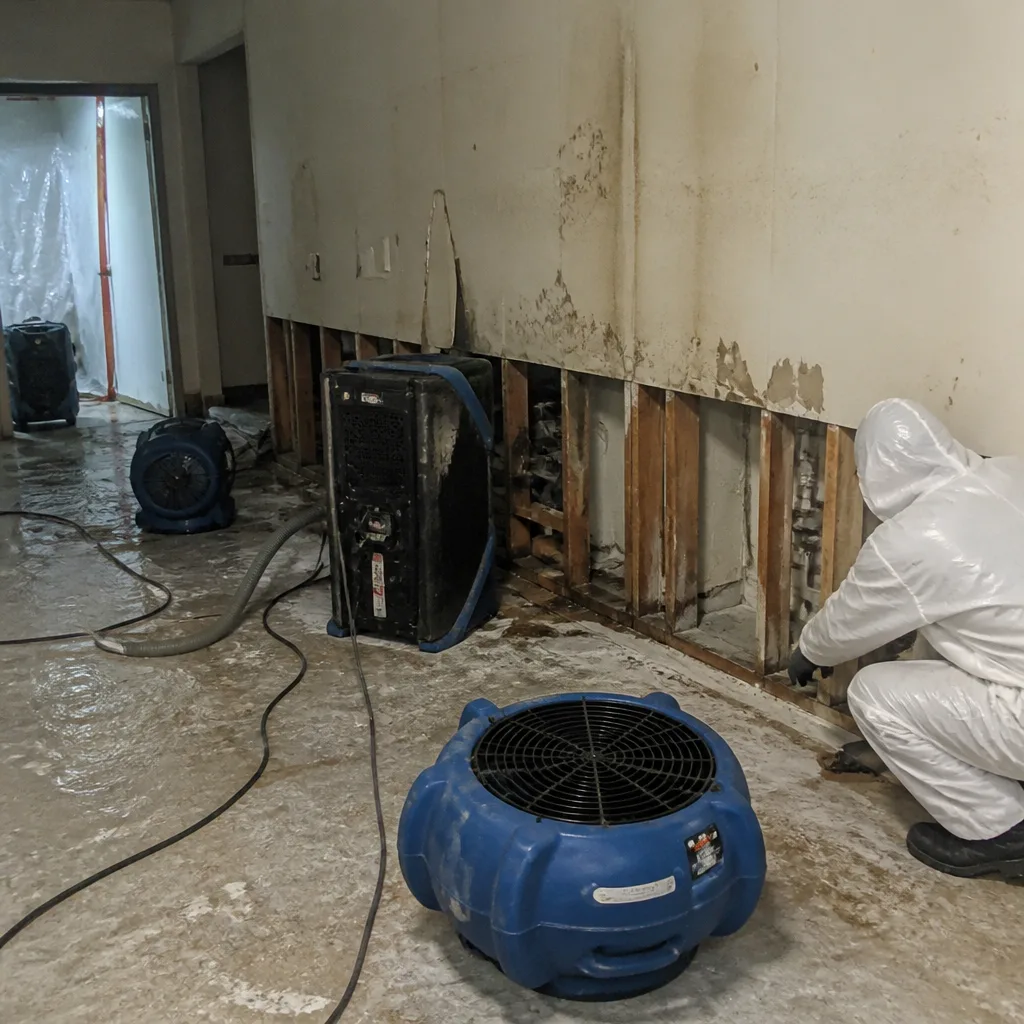 Before
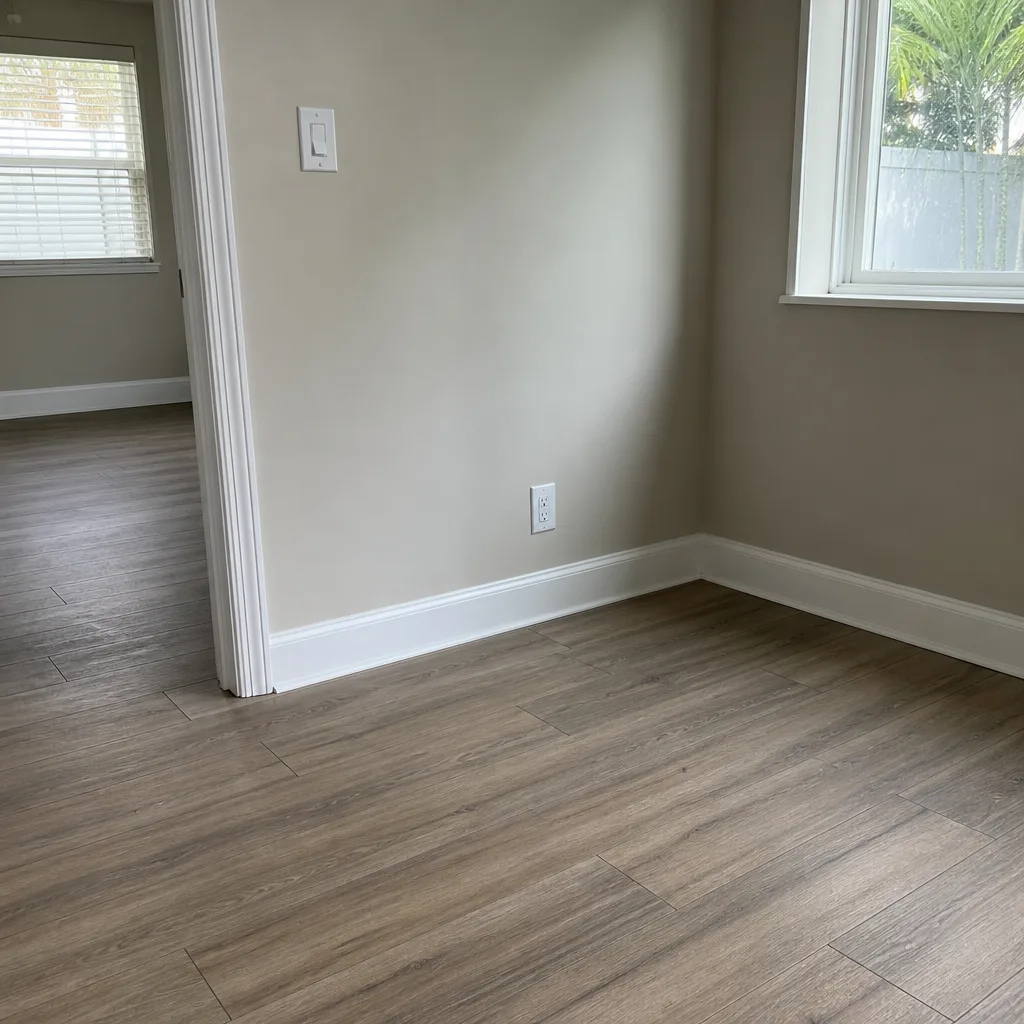 After
After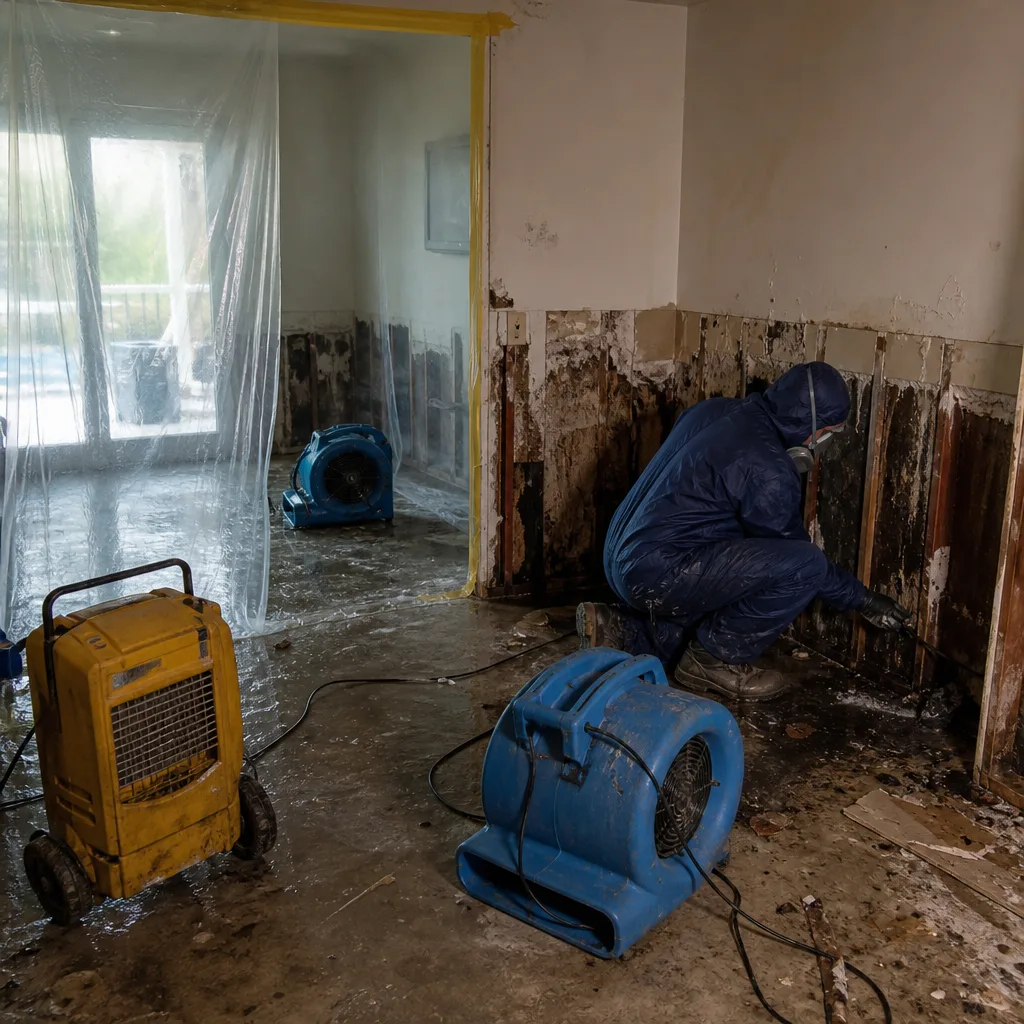 Before
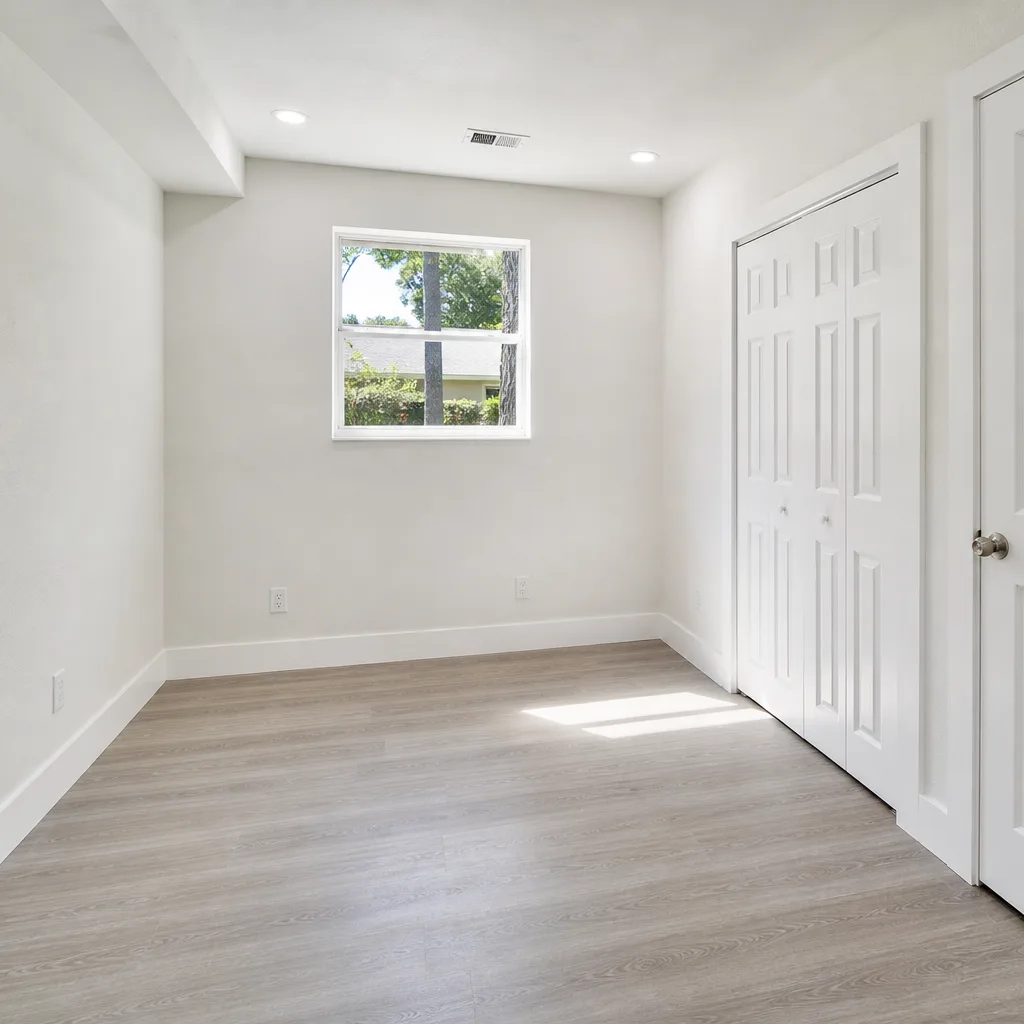 After
After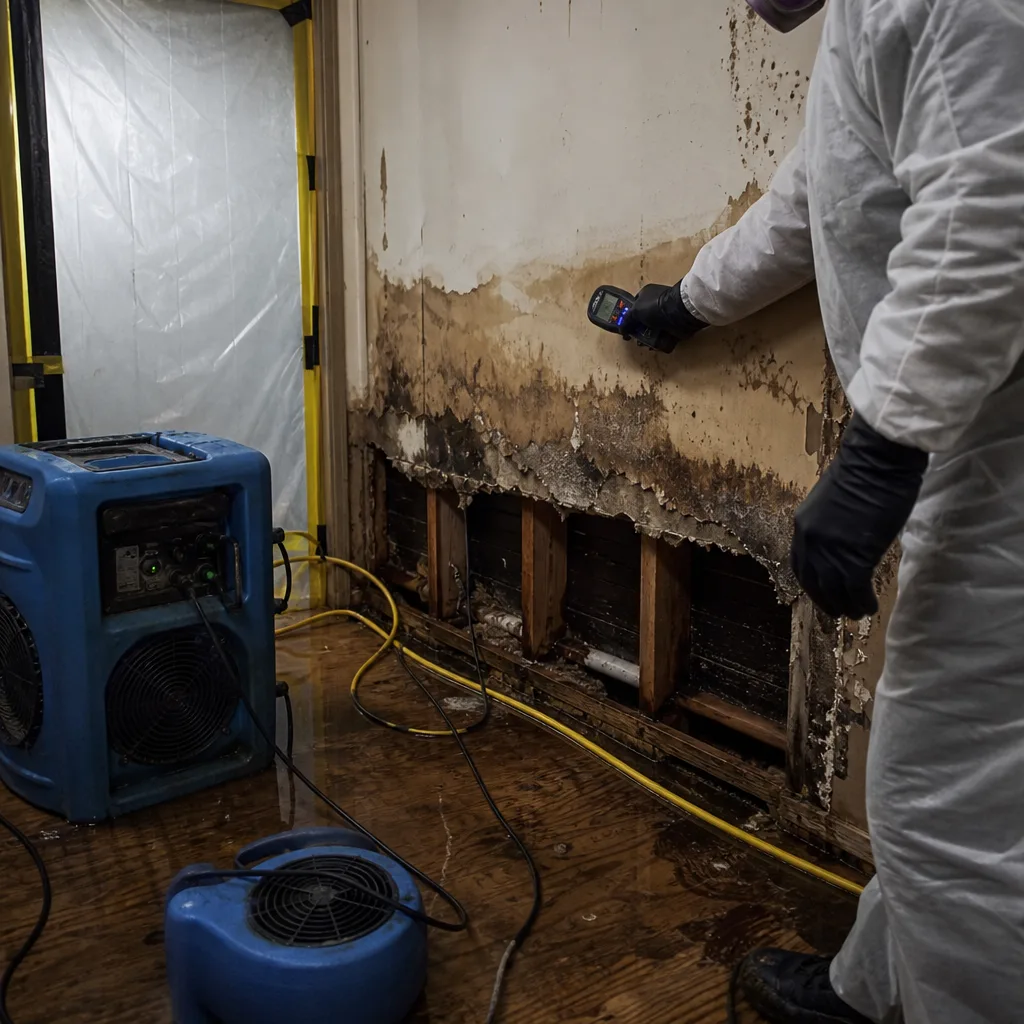 Before
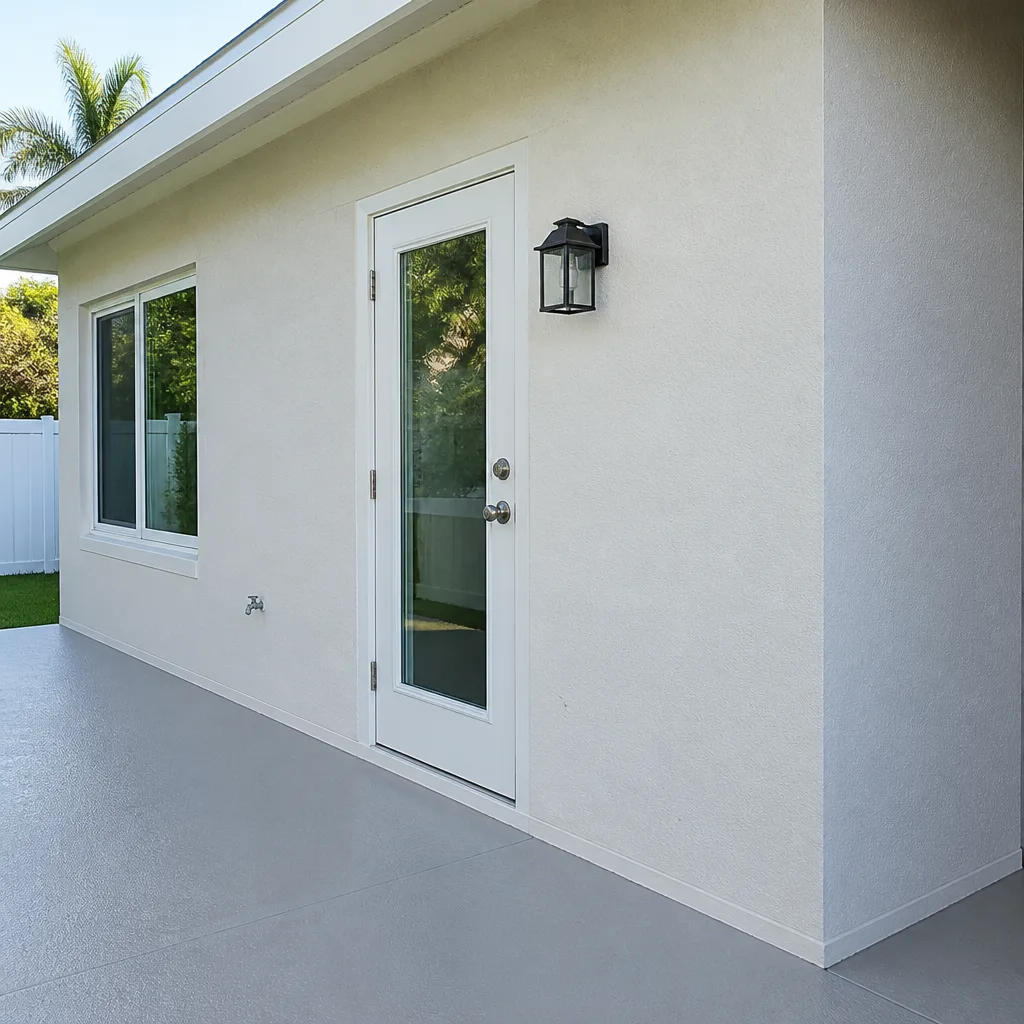 After
After