
Last updated October 16, 2026
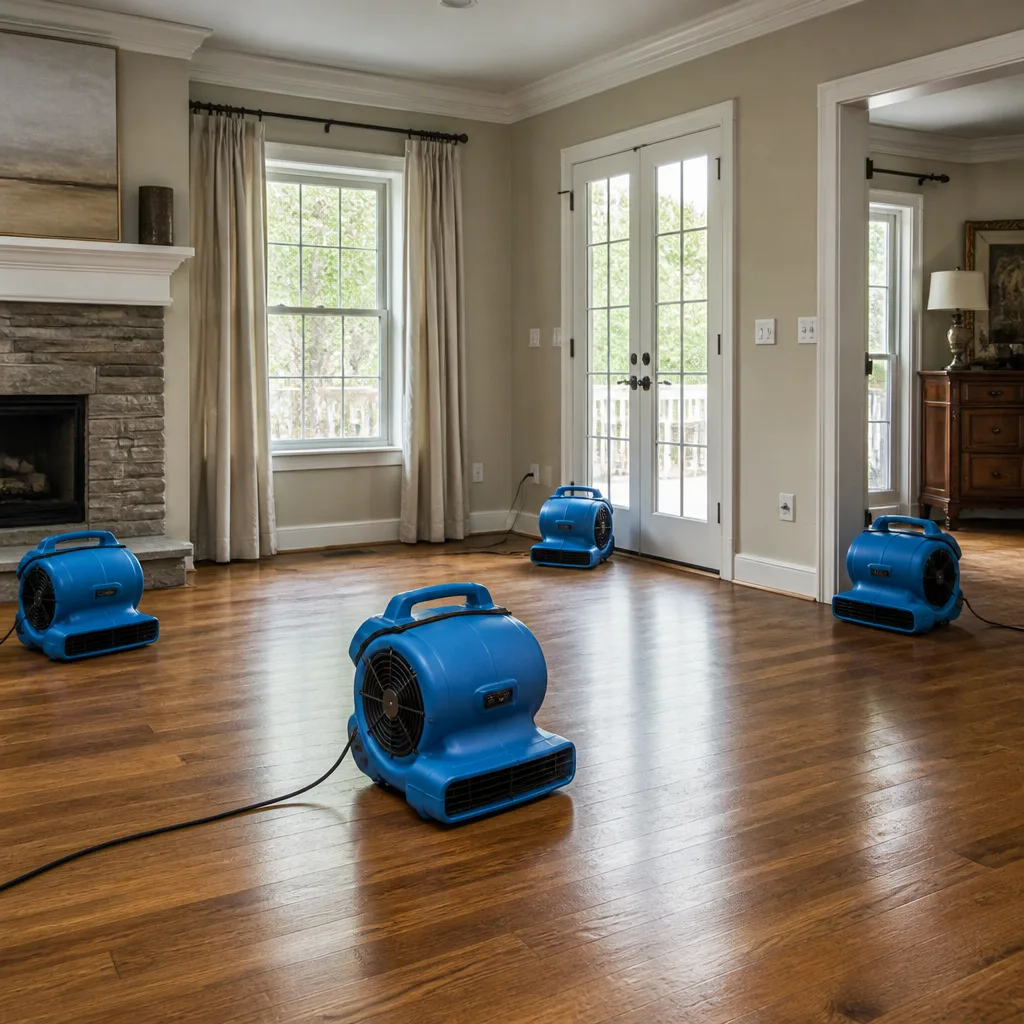 Water damage drying
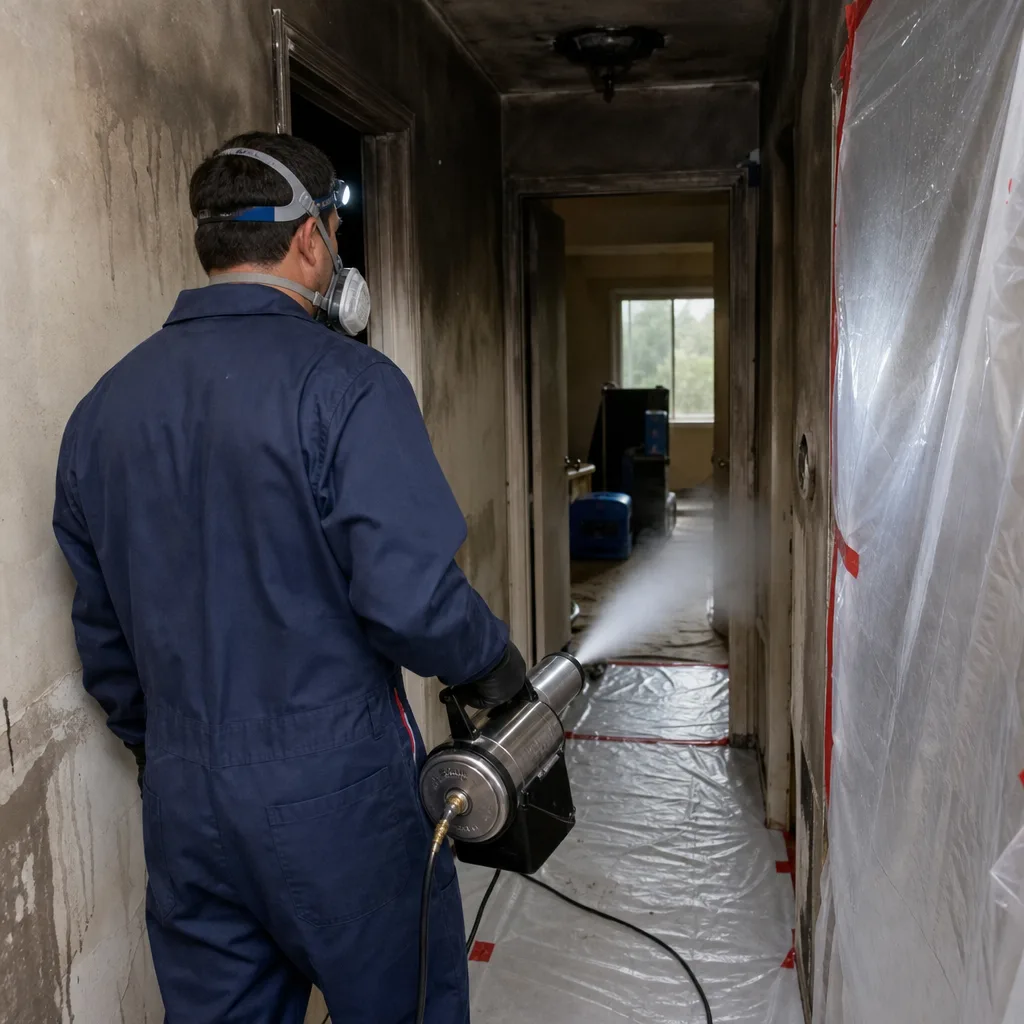
 Fire & smoke cleanup
 Mold remediation
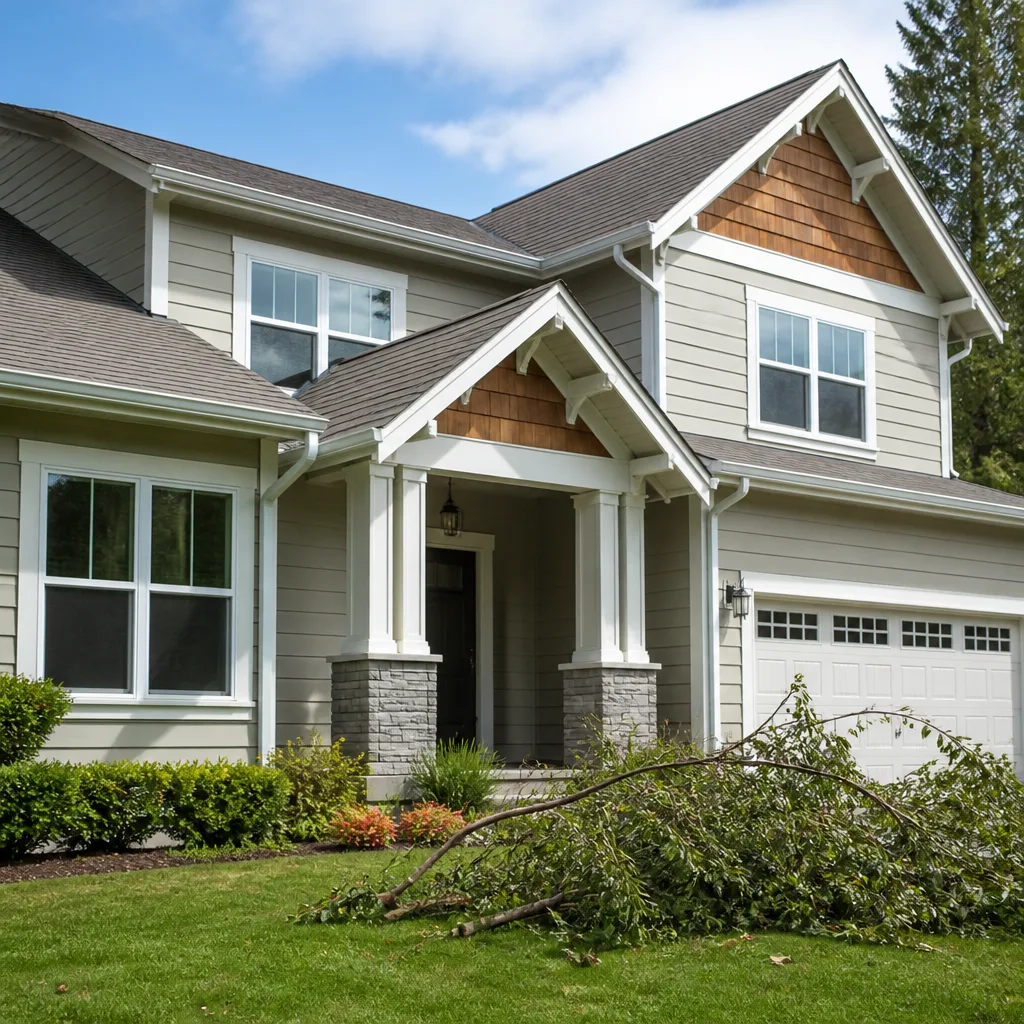 Storm response
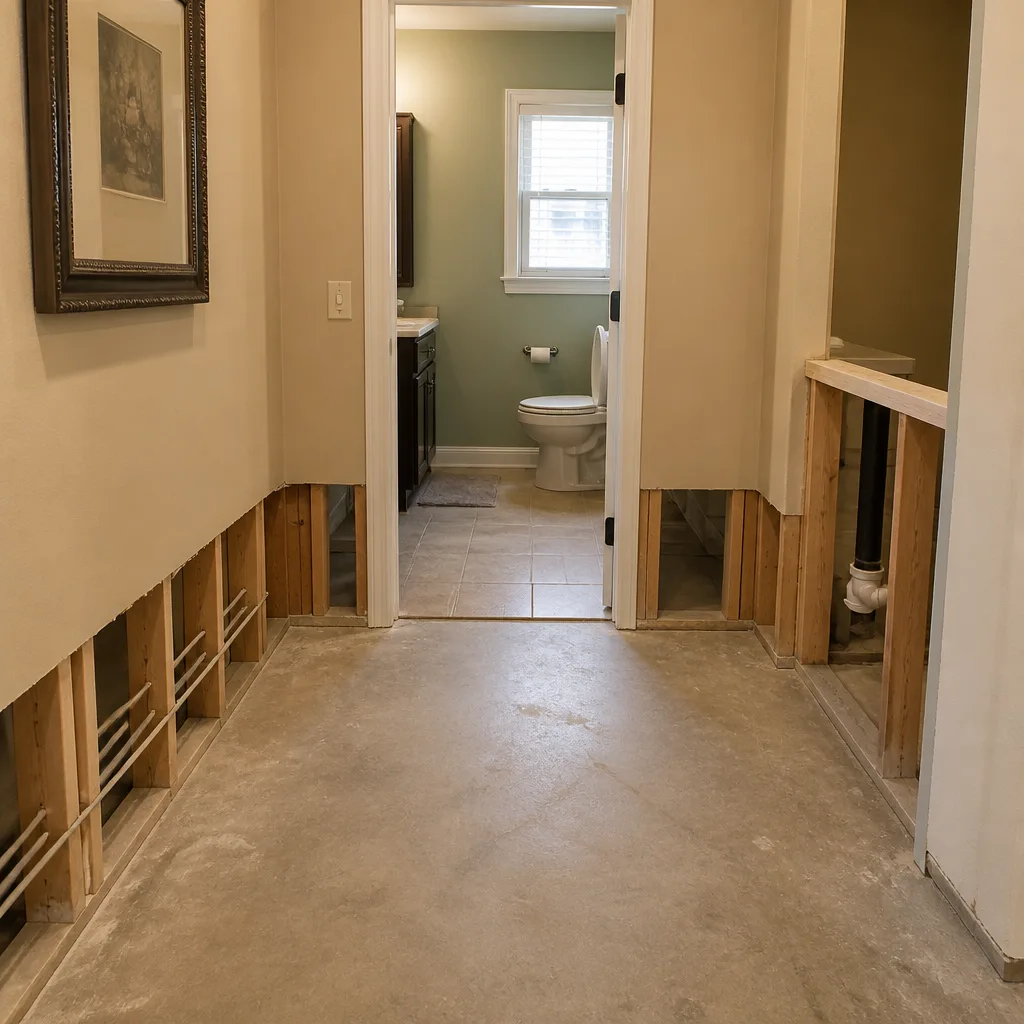 Sewage cleanup
 Reconstruction
Free visual inspection and a written scope of work before any mitigation begins - photos, moisture readings, and drying logs go in your claim file
The scope we write is the scope we bill. Anything new gets shown to you, in writing, before we touch it.
Get your free estimateDamage Restoration Permits, Codes & Inspections in FL: What You Need to Know
A Palm Beach County code violation on unpermitted restoration work doesn’t just trigger a fine. It can void your homeowner’s insurance coverage on the repaired section and surface as a material defect when you sell the property. Florida’s permitting rules are stricter than most homeowners realize, and the stakes are higher than the permit fee itself. This guide covers which restoration tasks legally require a permit, who should pull it, how inspections work in West Palm Beach, and what proper documentation does for your insurance claim. For more guides & resources, see our blog.
Restoration work we handle
Quick Answer
Most structural restoration work in Florida, including repairs to load-bearing walls, roof framing, and foundation elements, legally requires a permit. Permits are pulled either by a licensed contractor under their own license or by the homeowner under an owner-builder exemption, and the difference matters enormously for liability. Work below the permit threshold includes cosmetic repairs, drywall patches under a certain size, painting, and flooring replacement that doesn’t involve structural changes.
Table of Contents
- Which Restoration Tasks Require a Permit in Florida
- Contractor Permit vs. Owner-Builder Exemption: Why It Matters
- How Palm Beach County Inspections Work for Post-Water-Damage Repairs
- What Permit Documentation Does for Your Insurance Claim
- Florida’s Mold Remediation Rules: When a Licensed Mold Remediator Is Required
- Florida Building Code Requirements for Restoration Work
- Common Mistakes to Avoid
- When to Call a Professional
- Frequently Asked Questions
- The Bottom Line
Which Restoration Tasks Require a Permit in Florida
Florida’s building code draws a line between work that affects structural integrity and work that doesn’t. Cross that line without a permit and you’re exposed to fines, insurance complications, and trouble at resale. The line isn’t always where homeowners expect it to be.
Work that requires a permit:
- Structural repairs to load-bearing walls, beams, joists, or foundation elements after water or fire damage
- Roof sheathing or truss replacement, even if only a section was damaged
- Electrical system repairs or rewiring of any circuit affected by water or fire
- Plumbing repairs that involve moving drain lines, supply lines, or altering the venting system
- Window or door replacement when the opening size changes or when the frame is load-bearing
- HVAC ductwork replacement that requires opening walls or ceilings
- Any work that requires cutting into structural framing, including sistering joists or replacing studs
Work that typically falls below the threshold:
- Drywall replacement that doesn’t involve structural members behind it
- Paint, trim, and cosmetic finishes
- Flooring replacement over an existing, structurally sound subfloor
- Cabinet and vanity replacement in the same footprint
- Non-structural door and baseboard replacement
In West Palm Beach, where humidity accelerates rot and termite damage often compounds water damage, we’ve seen homeowners discover mid-project that what looked like a simple drywall patch actually required sistering a rotted stud. That discovery changes the job from a no-permit repair to a permitted structural repair, which is why scope of loss documentation matters before work starts. A thorough assessment up front catches these issues before they become code violations.
Contractor Permit vs. Owner-Builder Exemption: Why It Matters
Here’s the permit question homeowners almost never ask: who pulls the permit. Florida law allows a homeowner to act as an owner-builder and pull a permit on their own property, and some contractors quietly encourage this because it’s faster or because they don’t carry the right license class. The problem is that when you pull a permit as owner-builder, you assume legal responsibility for the work. If it fails inspection, the liability is yours. If the work fails later, your recourse against the contractor just got thinner.
When a licensed contractor pulls a permit under their own license, the contractor is the party of record. The permit attaches to their license, their insurance, and their bond. If the work fails inspection, they’re on the hook to correct it. If the work fails after completion, the permit trail supports your warranty claim. The difference is not procedural. It’s about who stands behind the work when something goes wrong.
Florida Statute 489.103 sets out the owner-builder exemption, and it’s narrow. The property must be your primary residence or intended primary residence. You can’t use the exemption on investment properties or rental units. You also can’t use it more than once every 12 months. Contractors who push you toward owner-builder permits on restoration work are often avoiding the inspection scrutiny that comes with their own license. That’s a red flag worth heeding.
Shane Pruitt and our team at Keegan Restoration West Palm Beach pull permits under our own license on every job that requires one, as outlined in How to Hire a Damage Restoration Contractor in West Palm Beach: A Step-by-Step Guide. It’s part of The Garrison Standard. The written price includes the permit, the inspection coordination, and the correction of anything an inspector flags. We don’t ask homeowners to carry liability for our work.
How Palm Beach County Inspections Work for Post-Water-Damage Repairs
Palm Beach County’s inspection process follows a predictable sequence, and knowing it removes a lot of anxiety from the restoration process. Here’s how it works for a typical post-water-damage structural repair:
- Permit application and plan review. The contractor submits drawings or engineering documents to the Palm Beach County Building Division. For structural repairs, a Florida-licensed engineer usually stamps the plans. Plan review can take a few days to a couple of weeks depending on workload.
- Permit issuance. Once approved, the permit is issued and must be posted on the job site. The permit number goes into the county’s public record system.
- Rough inspection. For structural work, the inspector comes before drywall goes up. They check the framing, the connections, the strapping, and the load paths. This is the inspection that matters most for water-damaged structural members.
- Electrical, plumbing, or mechanical inspections. If the water damage touched any system, each trade gets its own inspection. These happen in sequence, and one failed inspection stops the chain.
- Final inspection. After drywall, paint, and finishes are complete, the inspector returns to close the permit. A closed permit is the document you want in your file when you sell the property.
In our experience in West Palm Beach, the rough inspection is where unpermitted work usually gets discovered. A homeowner calls us after a neighbor reported construction noise, or after a code enforcement officer noticed a dumpster on the property. By then, the unpermitted work is behind closed walls, and the only way to correct it is to open them back up. That’s the expensive way to learn the permit requirement.
Palm Beach County also has a fast-track program for some emergency repairs, but it applies to life-safety issues like a collapsed ceiling or exposed electrical. You can’t fast-track cosmetic work. If you’re dealing with active water intrusion, the priority is mitigation, not permitting. Stop the water, document everything, then permit the repair properly.
What Permit Documentation Does for Your Insurance Claim
Insurance adjusters look for permits because permits create a paper trail that verifies scope, code compliance, and completed work. When a restoration contractor pulls a permit, the permit record becomes part of your claim file. It tells the adjuster three things: the work was scoped to code, an inspector signed off on it, and the contractor stood behind it. That’s a cleaner claim than a stack of invoices with no permit behind them.
Here’s what proper documentation does in practical terms:
- It verifies the scope of loss. The permit describes the work, which corroborates your damage claim to the insurer.
- It establishes code compliance. If your policy has code upgrade coverage, the permit is proof the work met current Florida Building Code, not just the pre-damage condition.
- It supports depreciation recovery. Most policies depreciate repairs and release the recoverable depreciation when work is complete. A closed permit is strong evidence the work is done.
- It protects you at resale. A buyer’s inspector will check the permit history. Unpermitted work becomes a disclosure item.
The flip side is what happens without a permit. We’ve seen insurers deny supplementary claims when they discover repairs were done without permits, because the policyholder technically violated the terms of the policy. We’ve also seen sellers take a five-figure price reduction at closing to compensate a buyer for unpermitted work. The permit fee is cheap compared to either outcome.
Keegan Restoration West Palm Beach documents every job in a format designed to support your insurance claim, and we coordinate directly with adjusters when permits and inspections are part of the claim. It’s one reason insurance referrals make up a meaningful share of our work in the West Palm Beach area.
Florida’s Mold Remediation Rules: When a Licensed Mold Remediator Is Required
Florida is one of the few states that regulates mold remediation as its own licensed trade. Florida Statute 468, Part XVI, requires any person or company performing mold assessment or mold remediation for compensation to hold a mold-related license from the Florida Department of Business and Professional Regulation. There’s no handyman loophole, and there’s no general contractor exemption.
The rules break down like this:
- Mold assessment (testing and writing a remediation protocol) requires a mold assessor license.
- Mold remediation (removing the mold) requires a mold remediator license.
- One company cannot be both the assessor and the remediator on the same project. It’s a conflict of interest the state explicitly prohibits.
- Remediation work over 10 square feet of visible mold requires a written protocol from a licensed assessor before remediation begins.
- Post-remediation verification, or clearance testing, must be done by an independent assessor, not the remediation company.
Water damage restoration is the trade most often confused with mold remediation. Drying out a wet structure with professional-grade equipment from Dri-Eaz, Phoenix, and XPOWER is water damage restoration, not mold remediation. But if the water sat long enough for mold to colonize, the job crosses into regulated territory. In West Palm Beach’s humid climate, that crossing happens fast. A water event that goes unaddressed for 48 to 72 hours in this climate is a mold candidate.
The Garrison Standard means we don’t blur this line. Our Mold Remediation in West Palm Beach work follows the state’s protocol requirements, and we work with licensed assessors when a project requires one. If your water damage stayed wet long enough to grow mold, you need the right license on the job, not a contractor willing to look the other way.
Florida Building Code Requirements for Restoration Work
The Florida Building Code is one of the strictest in the country, written for hurricane wind loads and coastal conditions that don’t apply in most states. That strictness shows up in restoration work in specific ways that homeowners should understand before they hire anyone.
Here are the code requirements that most often affect restoration projects in West Palm Beach:
- Wind load requirements. Any structural member you repair, from roof trusses to wall framing, must meet current wind load standards, not the standard in place when your home was built. This often means upgraded strapping and connections.
- Moisture content verification. The code requires that building materials be dry before they’re enclosed. A contractor who hangs drywall over damp framing violates the code and creates a long-term mold risk.
- HVAC and ventilation. Florida’s energy code provisions apply to any HVAC work done during restoration, which is why permitted work includes mechanical inspections.
- Impact-rated openings. If restoration involves window or door replacement in West Palm Beach, the code’s wind-borne debris region requirements mean impact-rated or shutter-protected openings. This is not optional.
- Flood zone considerations. Parts of West Palm Beach fall in FEMA flood zones, and substantial damage from a flood event can trigger requirements to elevate the structure or bring it into full compliance. That’s a different standard than repairs from a burst pipe.
Restoration contractors working in this market either know these requirements and build them into the scope, or they discover them mid-project and deliver a change order that doubles the price. The Garrison Standard exists in part to prevent that second scenario. The written scope we provide before work starts includes the code requirements we know apply to your specific repair, so the price doesn’t move at the door.
Common Mistakes to Avoid
- Accepting a contractor’s offer to use your owner-builder exemption. You assume legal liability for the work, the permit, and the inspections. When the work fails, you’re the owner-builder of record. Ask who pulls the permit before you sign anything.
- Closing up walls before the rough inspection. Once drywall covers the repair, the inspector can’t verify the work, and you either open the wall or fail the inspection. In Palm Beach County, a failed inspection stops the entire job.
- Treating mold as a cleaning issue. Florida regulates mold remediation as a licensed trade, and unlicensed remediation is a misdemeanor in some circumstances. If you see visible mold over 10 square feet, you need a licensed assessor’s protocol.
- Hiring unlicensed labor for structural work. Florida requires a licensed contractor for any structural repair, and your insurance policy almost certainly requires it too. A handyman can hang drywall, but not sister a joist.
- Confusing mitigation with reconstruction. Emergency water extraction and drying is mitigation and doesn’t require a permit. Rebuilding what the water damaged is where permitting kicks in. Some contractors blur this to avoid the permit conversation.
- Not documenting pre-existing conditions. Before restoration starts, photograph everything. If a code inspector flags an unrelated issue during your restoration inspection, you need proof it predates the work.
- Letting the permit lapse. Permits expire if work stalls for a set period, usually 180 days in Palm Beach County. A lapsed permit has to be reissued, which means new fees and new plan review.
When to Call a Professional
If your damage touched structural framing, electrical wiring, plumbing, or HVAC systems, you’re past the DIY threshold and squarely in licensed-contractor territory. The same applies if water sat for more than 48 hours in a West Palm Beach home, because mold is likely already colonizing behind the drywall. If you’re not sure whether your repair needs a permit, call the Palm Beach County Building Division or ask a licensed contractor to assess the scope in writing. See our Damage Restoration Warning Signs: A West Palm Beach Homeowner’s Reference Guide for what to watch for.
Keegan Restoration West Palm Beach provides free written estimates for Water Damage Restoration in West Palm Beach, Fire Damage Restoration in West Palm Beach, and Mold Remediation in West Palm Beach. A live person answers 24/7 at (728) 220-0713, and every estimate includes a written scope with permit requirements identified before any work starts.
Frequently Asked Questions
Most water damage restoration work that involves structural repairs, electrical work, or plumbing changes requires a permit in Florida, while mitigation work like water extraction and drying does not. The permit requirement attaches to the repair phase, not the emergency response phase. Call (728) 220-0713 and we’ll tell you whether your specific repair triggers a permit requirement.
Unpermitted structural work in Palm Beach County can result in code enforcement fines, a stop-work order, insurance claim complications, and a material defect disclosure requirement when you sell the property. The county can also require you to open finished walls so inspectors can see the work, which means paying for the repair twice.
Contractors can ask you to pull a permit under your owner-builder exemption, but doing so transfers legal and financial liability for the work to you, including failures at inspection and defects that surface later. A reputable contractor pulls the permit under their own license and stands behind the work. We never ask homeowners to carry our liability at Keegan Restoration West Palm Beach.
Florida requires a licensed mold remediator for any mold remediation performed for compensation, and any visible mold area over 10 square feet requires a written protocol from a licensed mold assessor before remediation begins. Below that threshold, minor mold on non-porous surfaces can often be cleaned as part of general maintenance.
Plan review for structural restoration permits in Palm Beach County typically takes 5 to 14 business days depending on current volume, and emergency repairs may qualify for expedited review when life-safety issues are present. The inspection sequence after permit issuance typically takes 1 to 3 weeks for a standard structural repair.
Most homeowner policies include permit and inspection fees within the covered repair costs, and policies with building code upgrade coverage also cover the cost of bringing repaired areas up to current code. Your adjuster will typically include permit fees in the estimate when the repair scope requires one. We format our documentation to support that claim from the first day.
The Bottom Line
Florida’s permit rules for restoration work exist to protect homeowners, and the ones who ignore them pay the price on the back end. Pulling a permit under your own name when a contractor should be pulling it under theirs is the single most expensive shortcut in this trade. The inspection process in Palm Beach County is straightforward when you work with a contractor who does it every week, and the permit record is one of the strongest documents you can hand to an insurance adjuster or a future buyer. In West Palm Beach, where humidity accelerates damage and strict wind codes govern every structural repair, doing it by the book is not bureaucracy. It’s protection. If you’re facing restoration work and want a written scope with permit requirements identified before anything starts, call Keegan Restoration West Palm Beach home at (728) 220-0713. A live person answers, and the estimate is free.
Written by Shane Pruitt, Owner at Keegan Restoration West Palm Beach, serving West Palm Beach since 2005.
See the difference
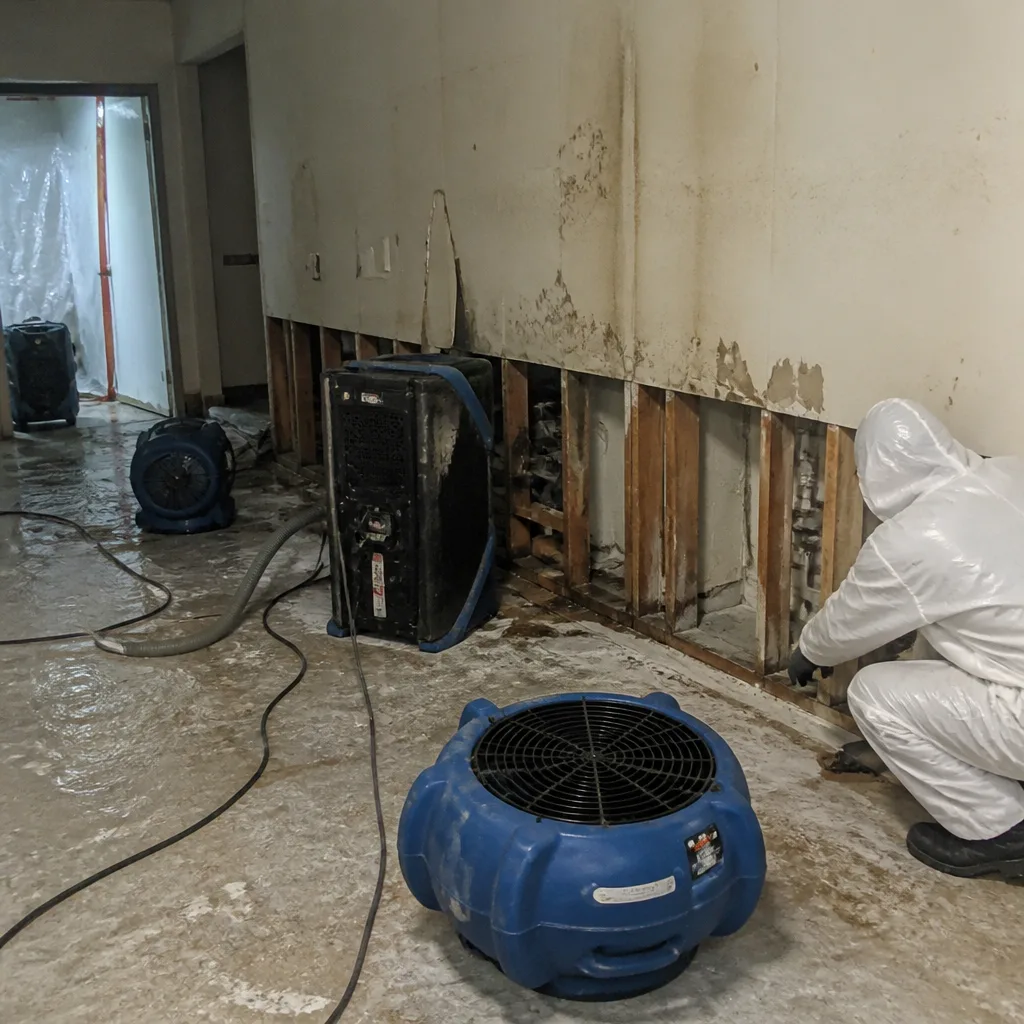 Before
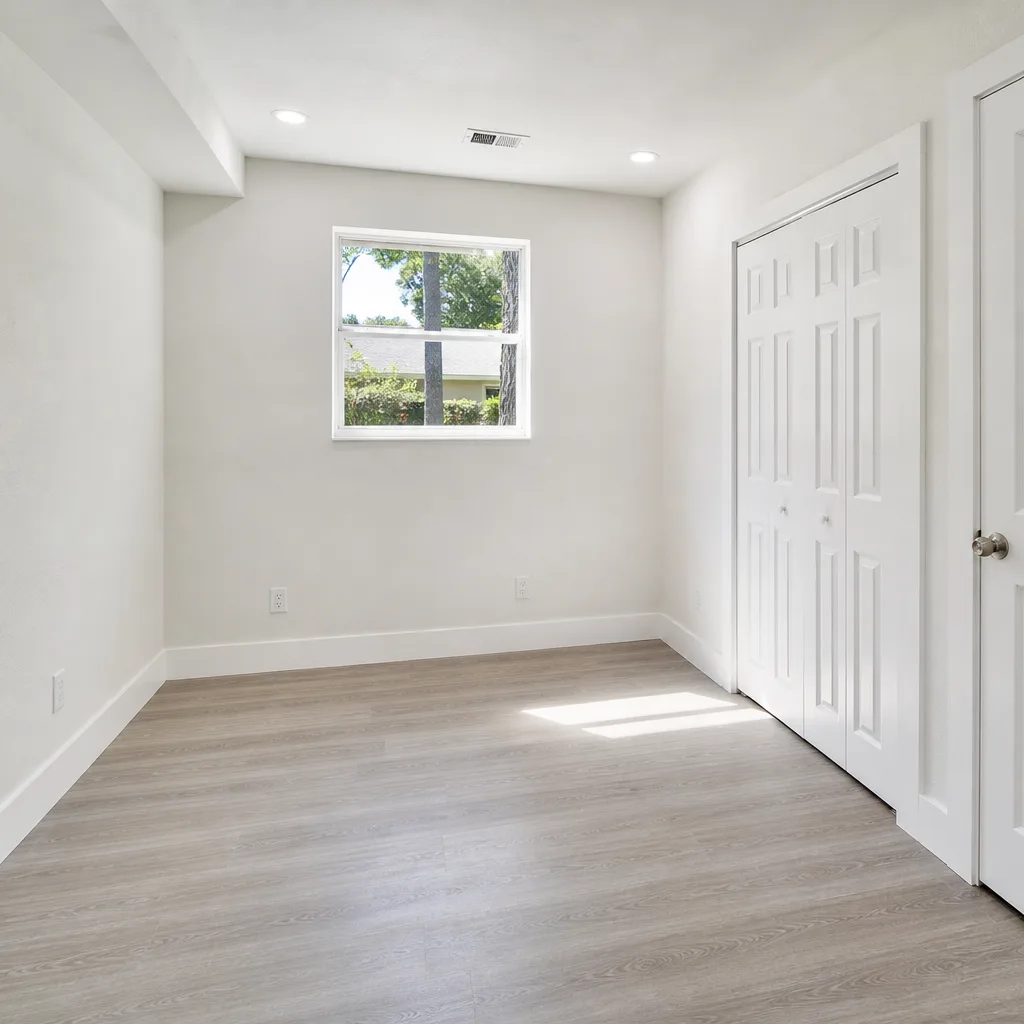
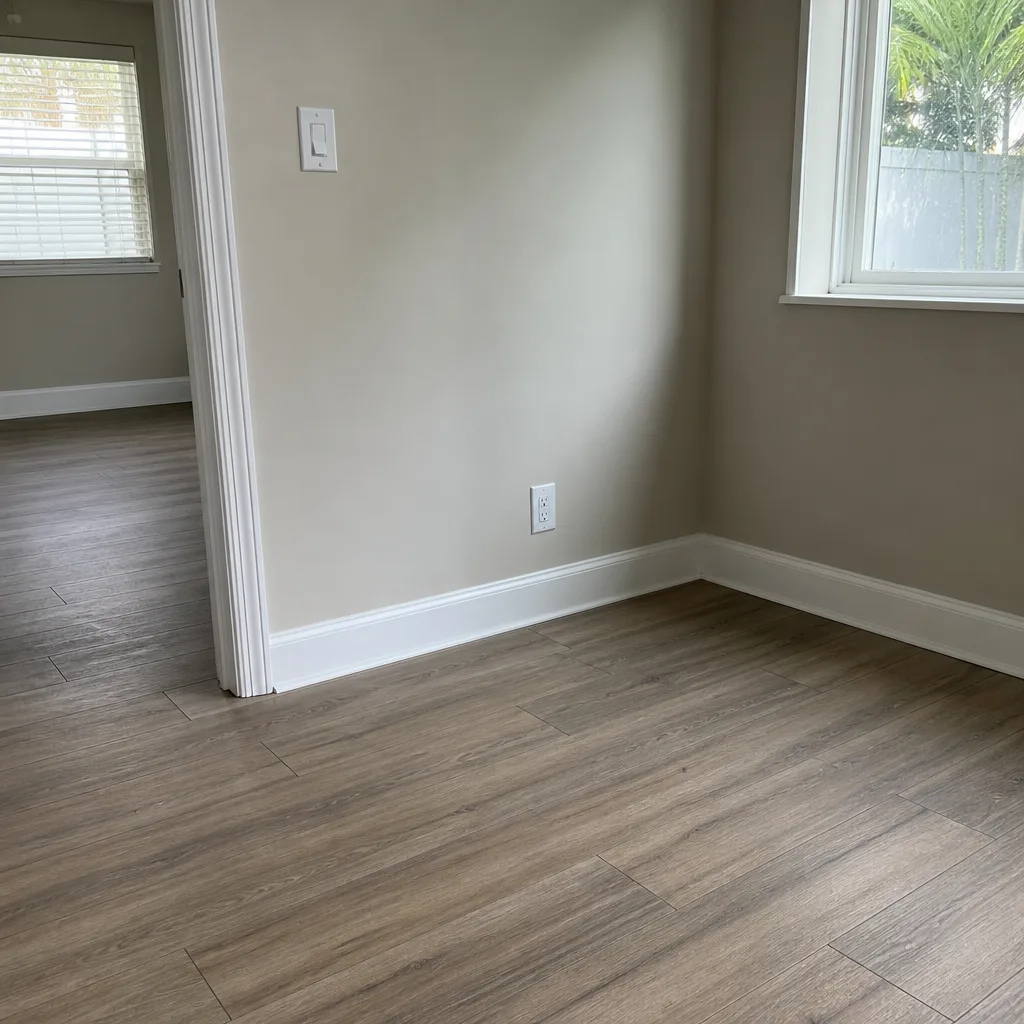 After
After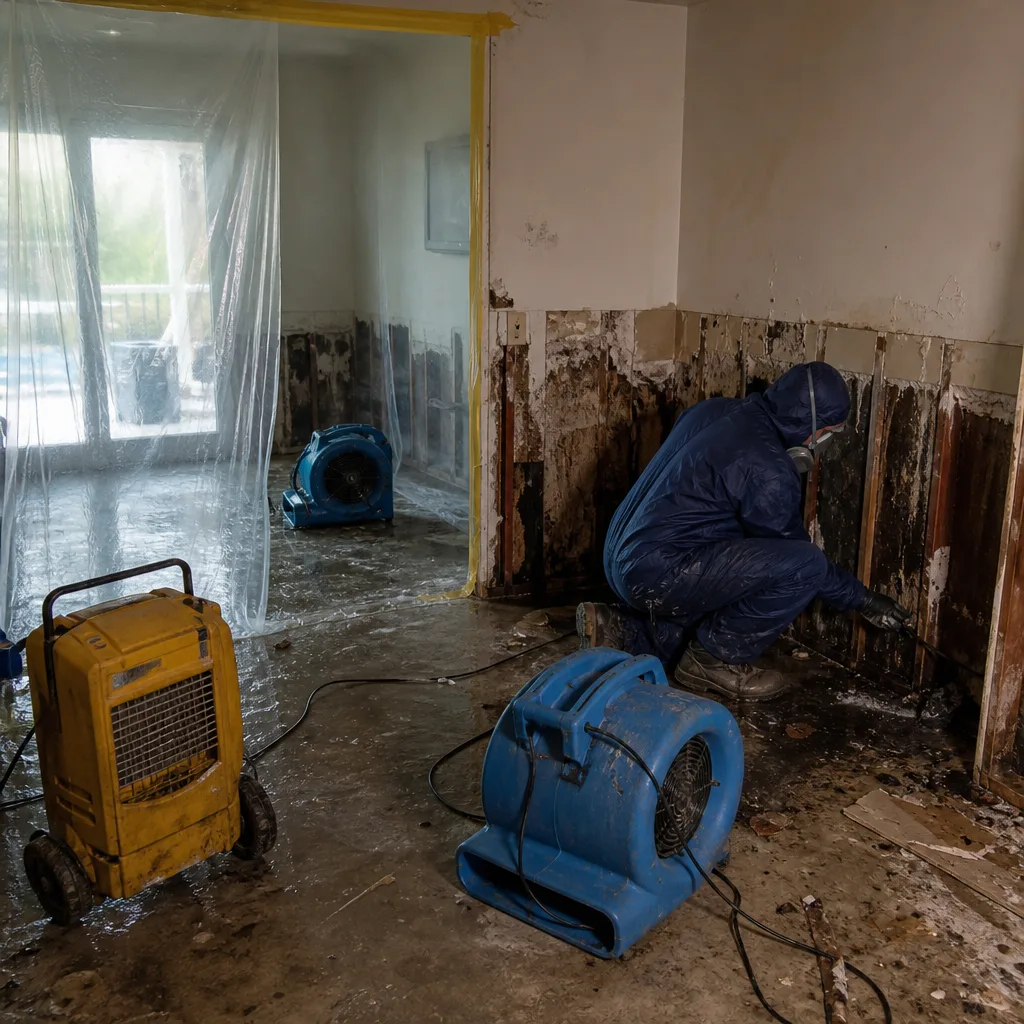 Before
 After
After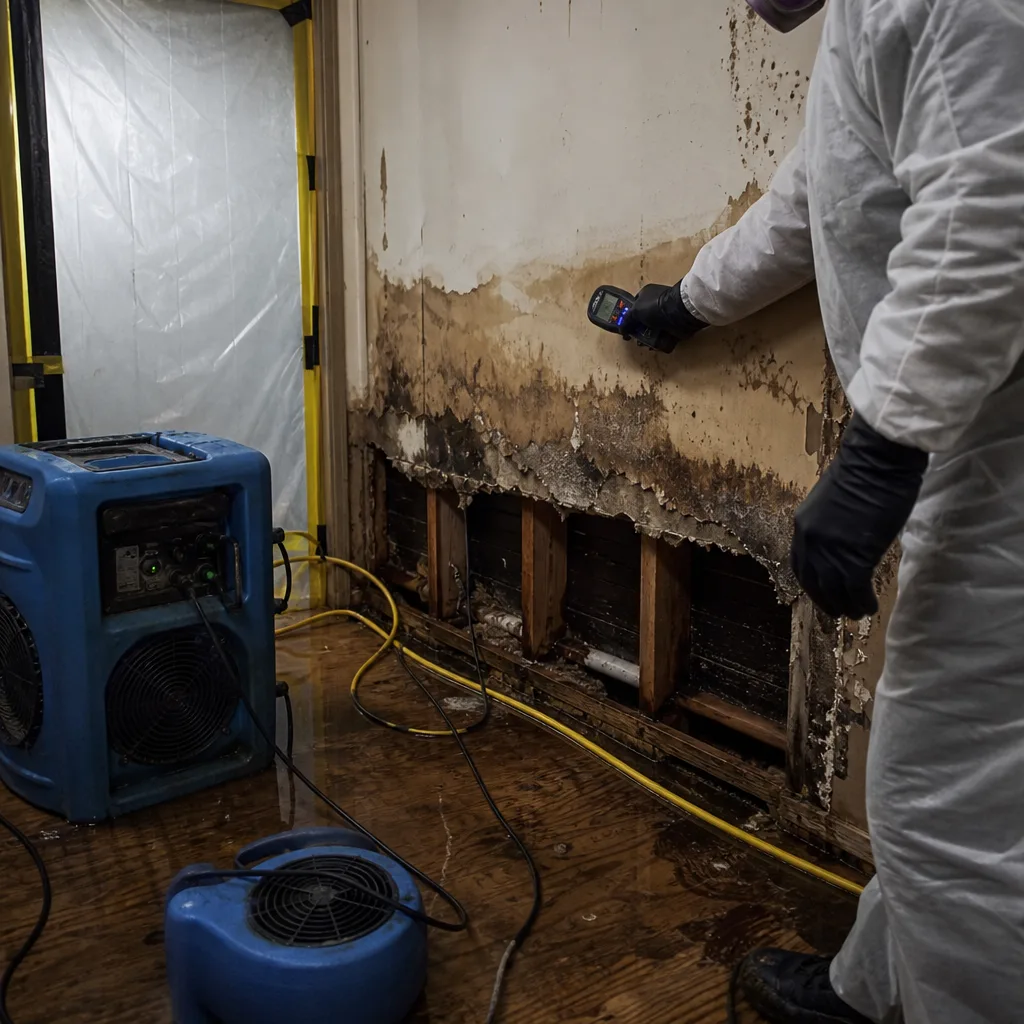 Before
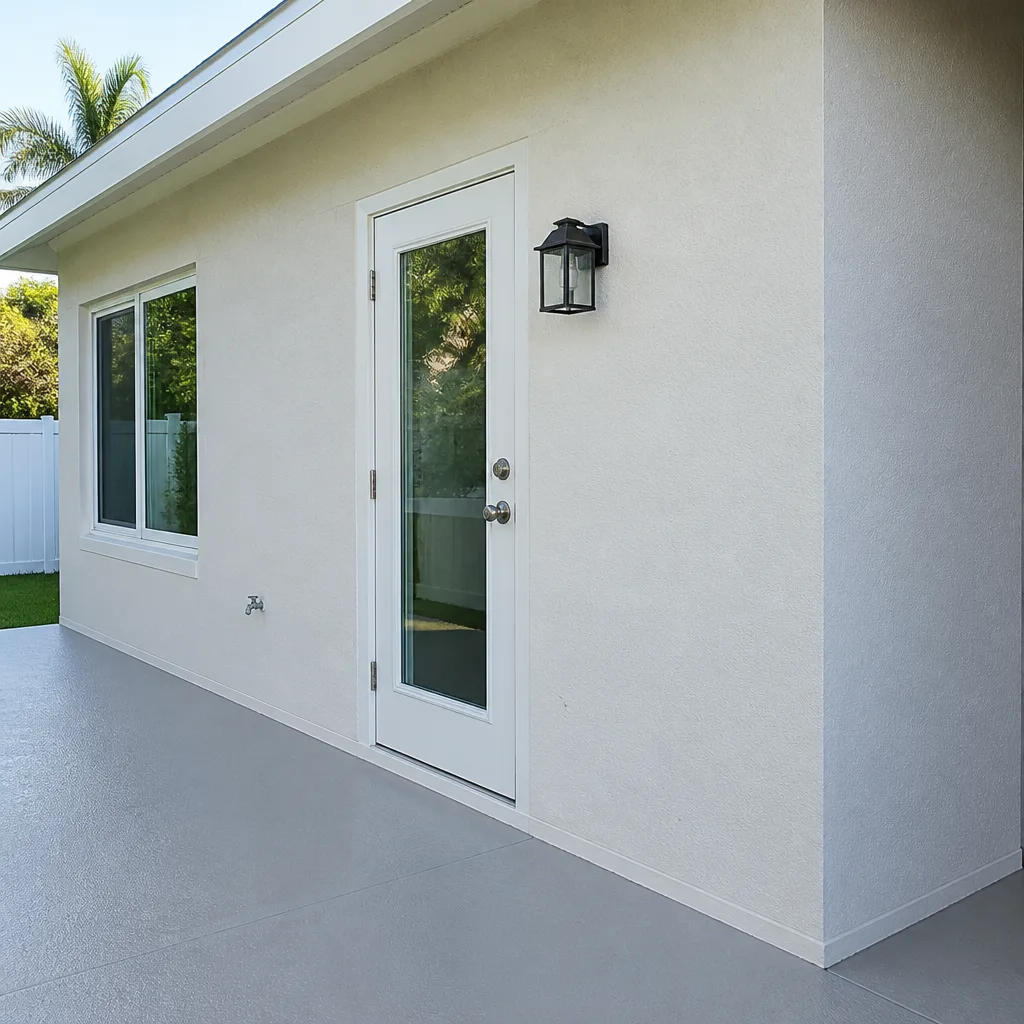 After
After